
US and Israel Release Toxic Pollutants Over Tehran, WHO Warns of 'Black Rain' Health Risks
Key Takeaways
- US and Israeli strikes on Iranian fuel depots and oil facilities released pollutants over Tehran.
- WHO warned oil-laden 'black rain' and acidic rain pose respiratory and long-term health risks.
- Iranian authorities and WHO advised residents to stay indoors and use protective measures.
WHO issues warning
The World Health Organization has warned of “black rain” in Tehran after strikes on oil facilities and said the phenomenon could cause serious respiratory problems.
“BREAKING Parliament speaker says Iran ‘definitely not looking for ceasefire’IRGC says Iran, not US, will determine end to warTrump vows to hit Iran ‘20 times harder’ if oil flows stop in Hormuz Strait Click to pause breaking news tickerpause-square-backgroundClose Breaking News Tickerclose”
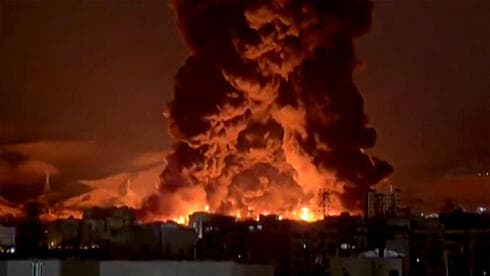
Iranian authorities likewise warned that toxic pollutants released after recent airstrikes on fuel depots in Tehran have significantly worsened air quality and could pose serious health risks to residents.

Al Jazeera reported the WHO warning and highlighted that the black rain could pose particular risks for children.
Pollutant composition
WHO and local agencies described the pollutants released by the attacks as including hydrocarbons and oxides of sulfur and nitrogen, with visible black residue reported near WHO offices.
WHO spokesperson Christian Lindmeier said the strikes released toxic hydrocarbons, sulfur oxides, and nitrogen compounds into the air.

TheCable likewise reported that explosions at the fuel tanks released toxic compounds, including hydrocarbons, as well as sulphur and nitrogen oxides, and Daily Times said footage showed black liquid accumulating outside the WHO office in Tehran.
Health impacts
Health authorities warned of both immediate and long-term risks: the WHO emphasised that long-term exposure is a greater concern than short-term contact,
“WHO Alerts Iran of 'Black Rain' Crisis: A Toxic Threat Looms The World Health Organization has warned of potential respiratory problems from 'black rain' and toxic air in Iran after strikes on oil facilities”
Emergency responders cautioned that chemicals could combine with rainfall to form highly acidic precipitation capable of causing chemical burns and severe lung damage.
Al Jazeera reiterated the WHO concern about health risks, noting particular vulnerability of children.
Public advisories
Authorities and humanitarian organisations urged practical precautions: staying indoors, avoiding contact with any rainfall, wearing face masks if available, and washing exposed skin with running cold water if contact occurs.
The Iranian department of environment and the Red Crescent advised residents to minimise outdoor activity and described rain droplets as 'black and oily',

The WHO publicly backed Iran’s advisory to remain indoors and urged monitoring of air quality.
Attribution and risks
Sources differ slightly on attribution and emphasised risks if strikes continue: Al Jazeera attributed the black rain to "Israeli strikes on Iran’s oil facilities,"
“Iranian authorities have warned that toxic pollutants released after recent airstrikes on fuel depots in Tehran have significantly worsened air quality and could pose serious health risks to residents”
TheCable reported the attacks were "by the United States and Israel," and Daily Times described the incident as "part of the US-Israeli campaign targeting Iran’s energy infrastructure."
TheCable also noted fires triggered by the strikes were still burning, and WHO warned that "risks would remain high if fresh strikes occur."
More on Iran
US Bombs Military Sites on Iran's Kharg Island
10 sources compared
Iran Closes Strait of Hormuz, Chokes Global Shipping and Pushes U.S. Retail Prices Higher
41 sources compared
President Donald Trump Orders US Bombing of Iran's Kharg Island, Says Targets 'Totally Obliterated'
18 sources compared
US obliterates military targets on Iran’s Kharg Island, Trump warns
13 sources compared