U.S. and Israel Wound Iran's New Supreme Leader Mojtaba Khamenei in Strikes Killing His Father
Key Takeaways
- Mojtaba Khamenei was wounded in U.S.-Israeli strikes that killed his father and other relatives.
- Iran appointed Mojtaba Khamenei as supreme leader days after those strikes.
- Analysts say his injuries may strengthen his position while the IRGC wields significant power.
Strikes and succession
U.S. and Israeli airstrikes on Feb. 28 killed Ayatollah Ali Khamenei and set off an immediate, high-stakes succession process in Tehran: Iranian state television and clerical bodies announced that Mojtaba Khamenei, a son of the slain leader, has been named supreme leader, a move presented as continuity amid an expanding regional war.
“Ball geolocated the video and found that it was taken from a site near the school on Feb”
NPR reported that “Ayatollah Ali Khamenei was Iran's supreme leader for 37 years and was killed on Feb. 28 in a U.S.–Israeli strike on Tehran,” while the Associated Press noted that “Iranian state TV early Monday said Mojtaba Khamenei, son of the country’s late supreme leader, has been named his successor.”
The New York Times described the appointment in similar terms: “Iran has named Mojtaba Khamenei, a son of the country’s slain supreme leader, as his father’s successor, according to a statement from top clerics published in state media.”
The announcement came amid intense strikes and counterstrikes across the region, and outlets recorded the moment as part of a wider escalation with civilian and military targets being hit across several countries.
Wounded and hidden?
From the first hours after the strikes, multiple outlets recorded conflicting and murky reports about Mojtaba Khamenei’s condition: state and semi-official Iranian channels described him as wounded, while the lack of any clear public appearances or verified imagery generated intense speculation and rumours — including claims from opponents that he might be incapacitated.
Newsweek wrote that “reports have mounted that Supreme Leader Mojtaba Khamenei was wounded in the U.S.-Israeli strikes that killed his father,” and that “Iran's state-run Islamic Republic News Agency described Khamenei as a 'wounded' veteran of the war launched by the United States and Israel on February 28.”
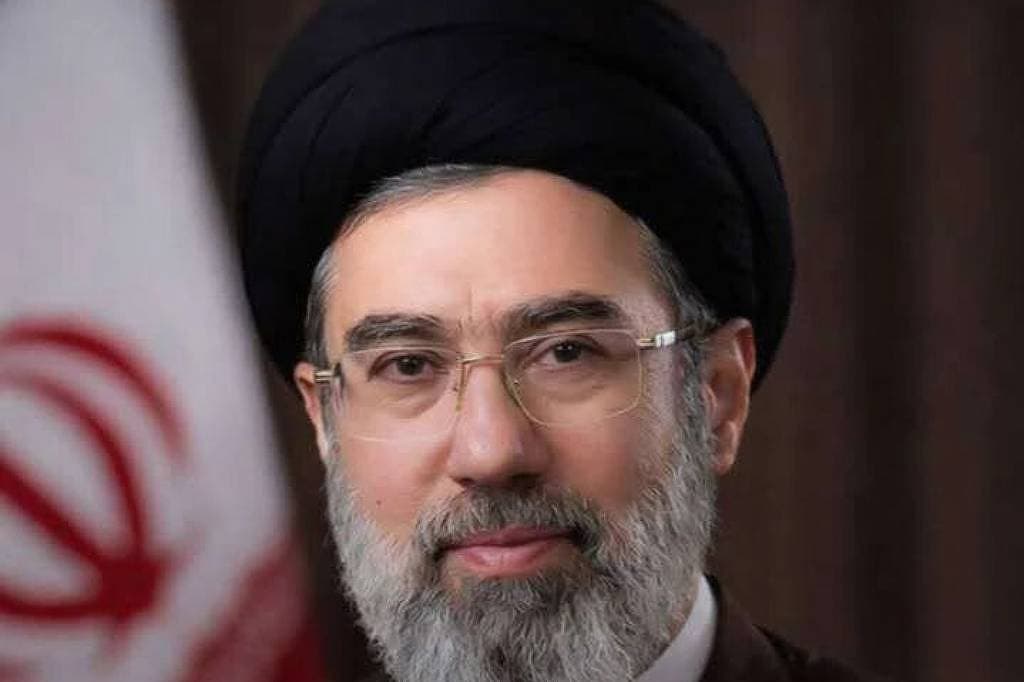
The Guardian captured the communication vacuum: “The failure of the government communications machine to publish a single photograph, video or even text from Mojtaba three days after his elevation led to the inevitable speculation,” and La Milano noted that “The new Supreme Leader of Iran, Mojtaba Khamenei, General Shiva is expected to deliver in the coming hours his first public speech since his appointment at the head of the Islamic Republic.”
Associated Press also reported state television’s naming of him while noting the wider confusion about his whereabouts.
IRGC ties and sanctions
Reporting from multiple outlets emphasizes Mojtaba Khamenei’s deep ties to Iran’s Revolutionary Guard and his nontraditional path to power: U.S. sanctions and his close IRGC connections were repeatedly highlighted as indicators he would continue a hard-line, security-centred leadership rather than a clerically driven religious stewardship.
“President Donald Trump openly declared that he was not satisfied with the choice of Mojtaba Khamenei”
USA TODAY noted that “The U.S. Treasury Department imposed sanctions on Mojtaba Khamenei in 2019, saying he represented the supreme leader in 'an official capacity despite never being elected or appointed to a government position' aside from working in his father's office.”
The New York Times reported that he is “known for having close ties to Iran’s Islamic Revolutionary Guards Corps and takes the helm not just as Iran’s new religious and political authority but also as the commander in chief of its armed forces,” while NPR similarly said Mojtaba “has close ties with Iran's Revolutionary Guard, signaling a continuation of his father's rule and hard-line stance.”
Newsweek underlined his low public religious profile and cultivation of IRGC influence.
Domestic reaction
The succession produced rapid domestic displays of support and stark political reactions abroad: state media and loyalist rallies were amplified even as opponents and diaspora critics voiced alarm and scepticism, and regional allies signalled backing.
La Milano reported that “thousands of supporters of the Iranian regime marched through the streets of the capital to demonstrate their support for the new authorities,” and that “The appointment of Mojtaba Khamenei was praised by Iran’s main institutions.”

The New York Times observed that “Iranian reaction: Iran’s military and hard-line political forces trumpeted the selection, and state media amplified voices supporting the new leader,” while The Guardian noted loyalists circulated possibly doctored imagery (“Loyalists published a photograph of him that could have been AI generated”).
Associated Press also recorded streets of Tehran filling with supporters.
Implications for war
Even as Tehran sought to project continuity, analysts and reporters warned the leadership change may not alter the immediate trajectory of the conflict: several outlets said Iran’s security apparatus and the IRGC would keep running the war, while Israeli and U.S. statements signalled continued offensive aims and broader regional risk.
The Guardian argued that “Overall, the military strategy has been set, and the conduct of the war is on autopilot,”

Newsweek quoted an expert saying “His primary concern right now is staying alive, so he will continue to stay out of the public eye,”
and NPR relayed an Israeli official saying Israel believed it still needed time to pursue its military goals: Israel “needs three more weeks to accomplish its goal of wiping out Iran's military forces — but that Israel is fighting as if every day of the war could be the last.”
The New York Times also noted “There was no sign of an offramp for the war, as fears mounted that the fighting would broaden across the Middle East,” underscoring that Mojtaba’s elevation came into a conflict already in full motion.
More on Iran
US Bombs Military Sites on Iran's Kharg Island
10 sources compared
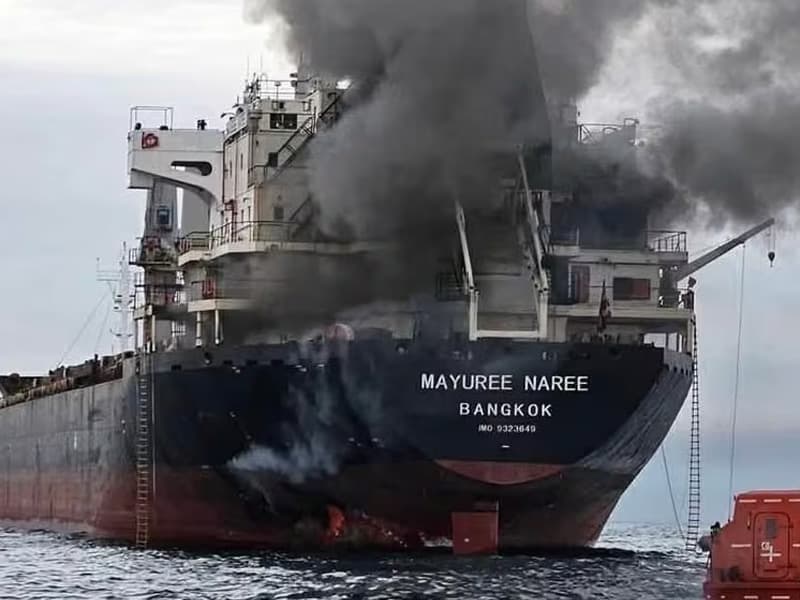
Iran Closes Strait of Hormuz, Chokes Global Shipping and Pushes U.S. Retail Prices Higher
41 sources compared
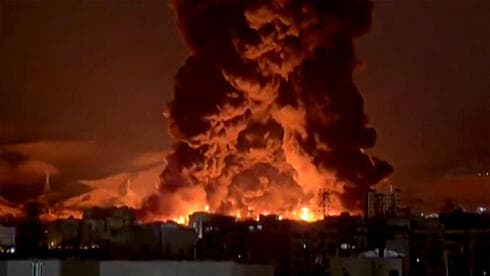
President Donald Trump Orders US Bombing of Iran's Kharg Island, Says Targets 'Totally Obliterated'
18 sources compared
US obliterates military targets on Iran’s Kharg Island, Trump warns
13 sources compared