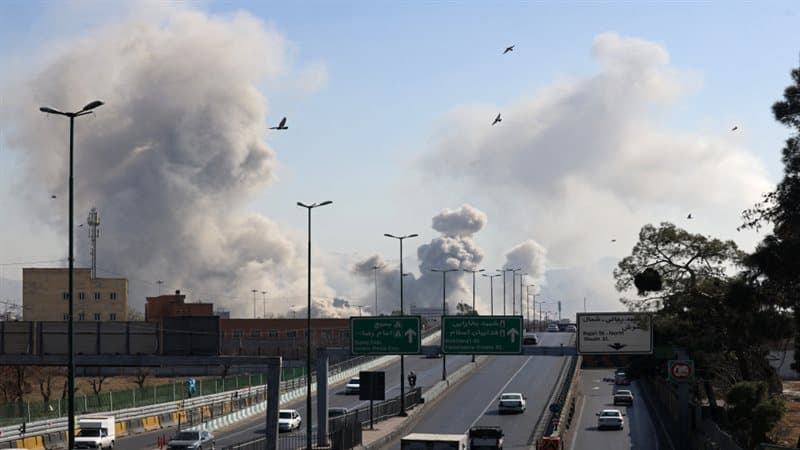
U.S. and Israel's War Displaces 3.2 Million Iranians in Under Two Weeks, UN Says
Key Takeaways
- UNHCR reports 3.2 million Iranians displaced by U.S.-Israeli attacks
- Displacement occurred within less than two weeks of the war's start
- 600,000 to 1 million households are temporarily displaced, UNHCR says
Scale of displacement
The United Nations refugee agency (UNHCR) says up to 3.2 million people have been displaced inside Iran since a U.S.-Israel war began on February 28, with multiple outlets reporting a rapid, mass internal displacement in under two weeks.
“More than three million people have been displaced in Iran since the United States and Israel launched a war against the country late last month, the United Nations says, as concerns mount over a worsening humanitarian crisis”
Al Jazeera reported that “More than three million people have been displaced in Iran since the United States and Israel launched a war against the country late last month, the United Nations says, as concerns mount over a worsening humanitarian crisis.”

Middle East Eye likewise noted that “The number of people displaced within Iran since the start of the US and Israel’s war on the country has reached 3.2 million, according to the UN’s refugee agency, UNHCR.”
The Hill summarized the agency’s finding: “The UNHCR said Thursday that 3.2 million people in the country have been forced to leave their homes because of the ongoing military operations.”
Household estimate & name
UNHCR’s preliminary household estimate ranges from roughly 600,000 to one million affected households; outlets cite that range and attribute it to UNHCR officials, though the spelling of the official’s name differs across reports.
Daily Sabah quoted the agency: "Between 600,000 and 1 million Iranian households are now temporarily displaced inside Iran as a result of the ongoing conflict, according to preliminary assessments," said Ayaki Ito, who heads UNHCR's emergency support team and is the refugee response coordinator for the Middle East emergency.
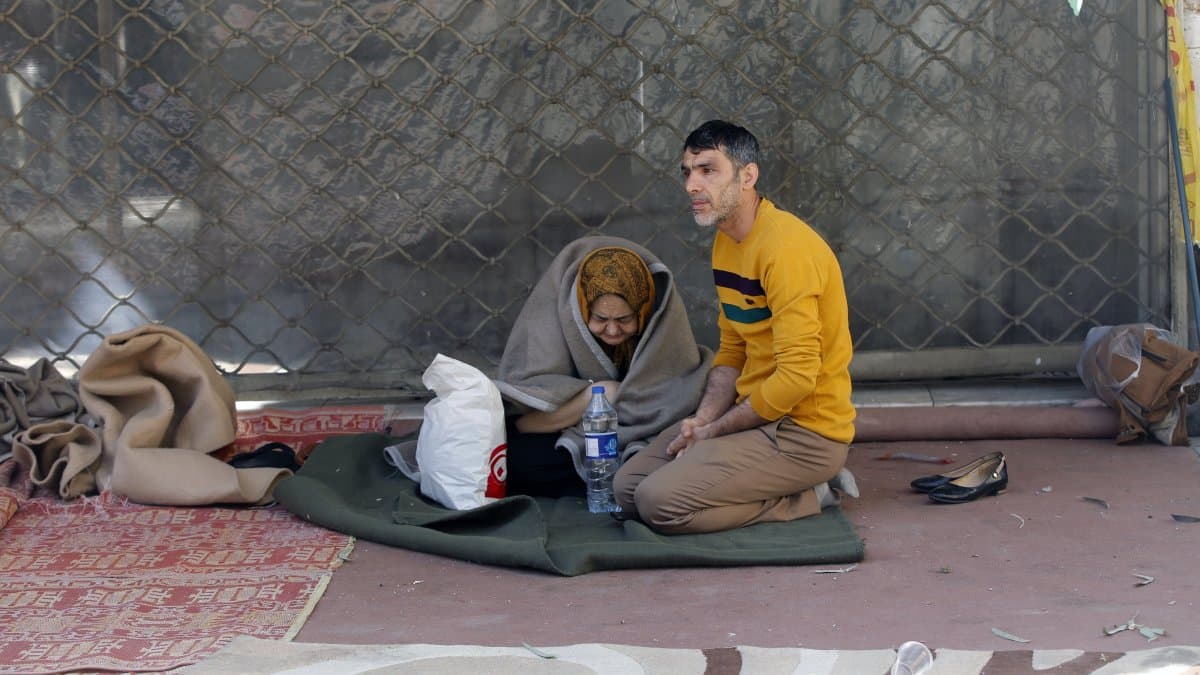
Rudaw carried a similar attribution: "Ayaki Ito, head of the UN High Commissioner for Refugees (UNHCR) emergency support team, stated that “between 600,000 and one million Iranian households are now temporarily displaced inside Iran as a result of the ongoing conflict, according to preliminary assessments, representing up to 3.2 million people.”"
The Hill used a slightly different spelling and note: "This number represents up to 1 million households, according to the agency." and identified the official as “Ayako Ito.”
Humanitarian warnings
UNHCR and reporting outlets warned the displacement is creating a worsening humanitarian crisis that is likely to grow, and the agency has called for protection, maintained access, and open borders for those seeking safety.
Daily Sabah recorded the UNHCR statement that the figure was “likely to continue rising as hostilities persist, marking a worrying escalation in humanitarian needs.”
Rudaw quoted UNHCR urging that "the urgent need to protect civilians, maintain humanitarian access, and ensure borders remain open to those seeking safety, in line with international obligations."
Al Jazeera framed the reporting around "concerns mount over a worsening humanitarian crisis."
Displacement patterns & refugees
Reporting describes patterns of movement and special vulnerability among hosted refugees: UNHCR said many displaced people were "fleeing from Tehran and other major urban areas towards the north of the country and rural areas to seek safety,"
and coverage repeatedly noted that "refugee families hosted in the country, mostly Afghans, had also been affected" and are "particularly vulnerable, given their already precarious situation and limited support networks."

The Hill similarly highlighted that "Also affected are refugee families hosted in the country, mostly Afghans, who are particularly vulnerable, given their already precarious situation and limited support networks."
War context and strikes
News outlets place the displacement in the context of a joint U.S.-Israeli offensive that began on Feb. 28, with multiple reports noting strikes across the region and allegations of high-profile killings that have amplified the crisis.
“ERBIL, Kurdistan Region - Up to 3”
The Hill stated bluntly that "The U.S. and Israellaunched joint attackson Iran on Feb. 28, setting off a chain of military operations between the countries in the Middle East," and reported that "Aftermissile strikes killedIranian Supreme Leader Ayatollah Ali Khamenei and bombarded Tehran, the Iranians responded with drone strikes on U.S. bases in the region,killing sevenU.S."

Rudaw similarly reported that "The US and Israel on February 28 launched a joint aerial campaign against Iran, killing several of the country’s top leaders and commanders, including long-time supreme leader Ayatollah Ali Khamenei (1939 - 2026)."
Rudaw additionally noted the scale of U.S. attacks, with "US forces striking more than 5,500 targets thus far," according to a CENTCOM commander quoted in its coverage.
More on Iran
US Bombs Military Sites on Iran's Kharg Island
10 sources compared

Iran Closes Strait of Hormuz, Chokes Global Shipping and Pushes U.S. Retail Prices Higher
41 sources compared
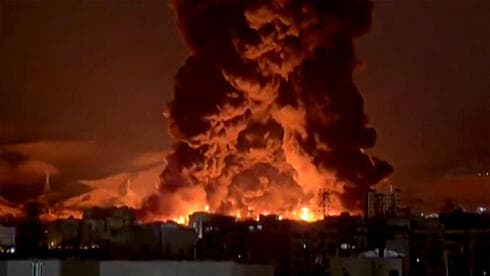
President Donald Trump Orders US Bombing of Iran's Kharg Island, Says Targets 'Totally Obliterated'
18 sources compared
US obliterates military targets on Iran’s Kharg Island, Trump warns
13 sources compared