Iran08 March, 20264 min read
US and Israel’s War With Iran Drives Oil Above $100, Threatening Global Economy
This article is an automated aggregation of coverage from news outlets. Our editorials offer in-depth analysis curated by the NewsCord team.
Global oil prices surged above $100 per barrel as the US–Israel–Iran war disrupted supply Fighting damaged oil-and-gas infrastructure and threatened shipping routes, tightening global energy supplies

Price spike overview
Global oil benchmarks surged past $100 a barrel as an escalating war involving the United States, Israel and Iran sharply disrupted energy supplies and shipping routes, pushing markets into their highest levels since 2022 and triggering acute concern about prolonged global shortages. Tempo.co reported that “Globaloil pricessurged past $100 a barrel for the first time since 2022 as the ongoing war involving the United States, Israel, and Iran disrupts energy supplies and fuels fears of a prolonged global shortage,”
“TEMPO.CO, Jakarta -Globaloil pricessurged past $100 a barrel for the first time since 2022 as the ongoing war involving the United States, Israel, and Iran disrupts energy supplies and fuels fears of a prolonged global shortage, according toThe Guardian.”
The Times of India said “Oil prices have climbed above $100 a barrel for the first time in more than three and a half years as the escalating war involving Iran disrupts energy production and shipping routes across the Middle East,” Seeking Alpha titled the move “**Oil surges past $100 as Middle East conflict disrupts supply, shipping**” with sharp jumps in Brent and WTI.
Supply and transport shocks
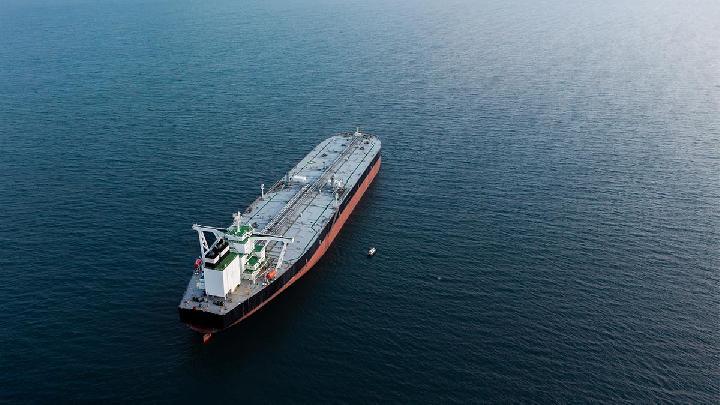
The price surge was driven by tangible supply disruptions: attacks on energy infrastructure, shipping losses in the Strait of Hormuz, and precautionary production cuts. Tempo.co described the Strait of Hormuz disruption and reported that “The waterway has effectively been closed for about a week, halting the movement of hundreds of oil tankers and disrupting global energy flows,” and noted precautionary cuts by Kuwait’s national oil company. Seeking Alpha noted attacks on ships and chokepoint pressure — “disruptions in the Strait of Hormuz, a critical chokepoint for global oil shipments, with attacks on at least seven ships reported.”
The Times of India added that “Iraq, Kuwait and the UAE have reduced oil output as storage facilities fill up due to the inability to ship crude abroad,” The Associated Press said “Iran, Israel and the United States have all carried out strikes on oil and gas facilities since the fighting began,” together documenting both production-side and transport-side shocks to supply.

Market and price reaction
Markets reacted violently: benchmark crude futures and equity indices plunged as traders priced in a prolonged squeeze.
“BenchmarkBrent crudejumped more than 26 percent to $117.08 per barrel in early Asian trading, whileWest Texas Intermediaterose nearly 29 percent to $119.96 per barrel.”
Tempo.co gave sharp move figures — “BenchmarkBrent crudejumped more than 26 percent to $117.08 per barrel in early Asian trading, whileWest Texas Intermediaterose nearly 29 percent to $119.96 per barrel,” and reported equity losses including “Japan’s Nikkei 225 dropped more than 7 percent, while South Korea’s Kospi fell by a similar margin. Australia’s ASX 200 also declined by over 4 percent.”
Seeking Alpha recorded similar extreme moves for Brent and WTI and warned of sustained instability.
The Times of India and Fox Business reported Brent and WTI crossing the $100 mark and immediate consumer price effects, with Fox noting U.S. pump prices rising quickly — “The average gallon of regular gasoline in the U.S. also increased on Sunday to $3.45, representing a 47-cent jump from about a week earlier, according to AAA motor club.”
Policy and political responses
Governments and officials offered cautionary responses but stopped short of major releases or coordinated market action, even as leaders publicly downplayed short‑term pain. The Associated Press reported that “the Group of Seven major industrialized powers said it had decided against using their strategic reserves, at least for now. ‘We’re not there yet,’ French Finance Minister Roland Lescure said,” and that “President Donald Trump downplayed the idea of turning to America’s Strategic Petroleum Reserve.”
Tempo.co similarly recorded Trump’s comment that the spike was “a very small price to pay” and quoted the IRGC warning that “If you can tolerate oil at more than $200 per barrel, continue this game.” Seeking Alpha and The Times of India noted analysts’ and officials’ warnings that sustained disruption could push prices even higher and that some producers were already cutting output or declaring force majeure.
Economic impact outlook
The economic fallout is already visible and risks broader inflationary pain and disruption to consumers and Asian importers particularly reliant on Middle Eastern supply. The Associated Press warned that “the surge in costs for oil and natural gas is still pushing fuel prices higher, cascading through a range of industries — from jet fuel for airplanes and car gas prices, to household energy sources for consumers,” and noted Asian vulnerability and potential supply re‑routing for China. Fox Business documented immediate price effects at the pump for U.S. drivers.
“Yet the surge in costs for oil and natural gas is still pushing fuel prices higher, cascading through a range of industries — from jet fuel for airplanes and car gas prices, to household energy sources for consumers.”
Tempo.co described national responses such as temporary campus closures and budget reviews in countries like Bangladesh and Indonesia as governments cope with fuel stress. Seeking Alpha reiterated analyst warnings that prolonged disruption could sustain market instability and higher prices for consumers and economies.
