
US asks Ukraine to protect American bases in Gulf from Iranian strikes
Key Takeaways
- The U.S. asked Ukraine to help defend Gulf bases from Iranian strikes.
- Ukraine publicly offered a defense plan and pitched it in Washington.
- Iranian attacks, drones or strikes, threaten U.S. Gulf bases amid Iran war.
US Request to Ukraine
The United States has formally requested Ukraine to provide air defense protection for American military bases in the Gulf region.
“Facebook Video Home Live Reels Explore More Home Live Reels Explore Iranian-made Shahed drones are now targeting U”
This request comes amid escalating tensions with Iran and growing concerns about potential Iranian missile or drone strikes.

Washington is seeking to leverage Ukraine's advanced air defense capabilities to protect American interests in the Gulf.
The move represents an unprecedented level of military coordination between Kyiv and Washington.
US forces in the Gulf have faced repeated threats from Iranian-aligned forces in recent years.
Threat Assessment
American bases in Saudi Arabia, Qatar, Bahrain, and other Gulf states require protection.
These critical installations house thousands of US troops and billions in military equipment.
Intelligence assessments show Iran has developed sophisticated ballistic missile and drone capabilities.
Recent Iranian military drills demonstrate improved precision and range of their weapons systems.
Threat assessments have been heightened following Soleimani's killing and ongoing tensions over nuclear negotiations.
Ukrainian Capabilities
Ukraine has extensive experience defending against Russian missile and drone attacks since 2022.
“Facebook Video Home Live Reels Explore More Home Live Reels Explore Iranian-made Shahed drones are now targeting U”
The Ukrainian military operates sophisticated air defense systems including S-300, S-400, and NASAMS batteries.
Ukrainian air defense crews have demonstrated effectiveness with claimed interception rates exceeding 80%.
Ukrainian officials have expressed willingness to assist but need appropriate compensation.
There are concerns about resource allocation given ongoing demands of Ukraine's own defense against Russia.
Strategic Implications
This unprecedented military cooperation carries significant strategic implications for regional security.
The arrangement could establish a precedent for cross-continental military partnerships.
For Ukraine, providing assistance could strengthen diplomatic ties with the US and secure additional aid.
However, the move risks escalating tensions with Iran and drawing Ukraine into Middle Eastern complexities.
Military analysts note Ukrainian crews would need time to adapt to Gulf environmental conditions and threat profiles.
Implementation Challenges
Technical and logistical challenges must be addressed before Ukrainian deployment to the Gulf.
“Facebook Video Home Live Reels Explore More Home Live Reels Explore Iranian-made Shahed drones are now targeting U”
Transportation of heavy air defense systems presents significant logistical hurdles.
Integration with existing US and allied command systems requires careful planning.
Harsh Gulf environmental conditions could affect Ukrainian system performance and maintenance.
Political considerations are crucial as Ukrainian presence could be viewed as an escalation by Iran.
More on Iran
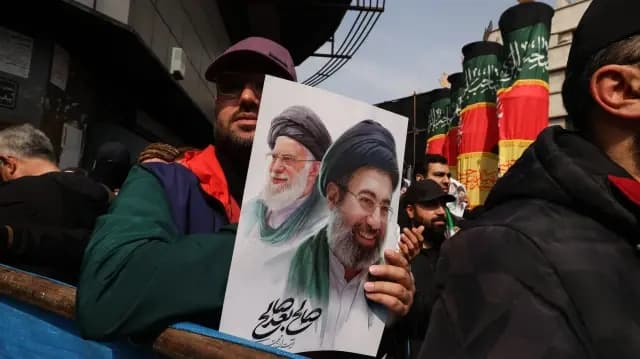
Russia Secretly Airlifts Iran's Supreme Leader Mojtaba Khamenei to Moscow for Surgery
11 sources compared
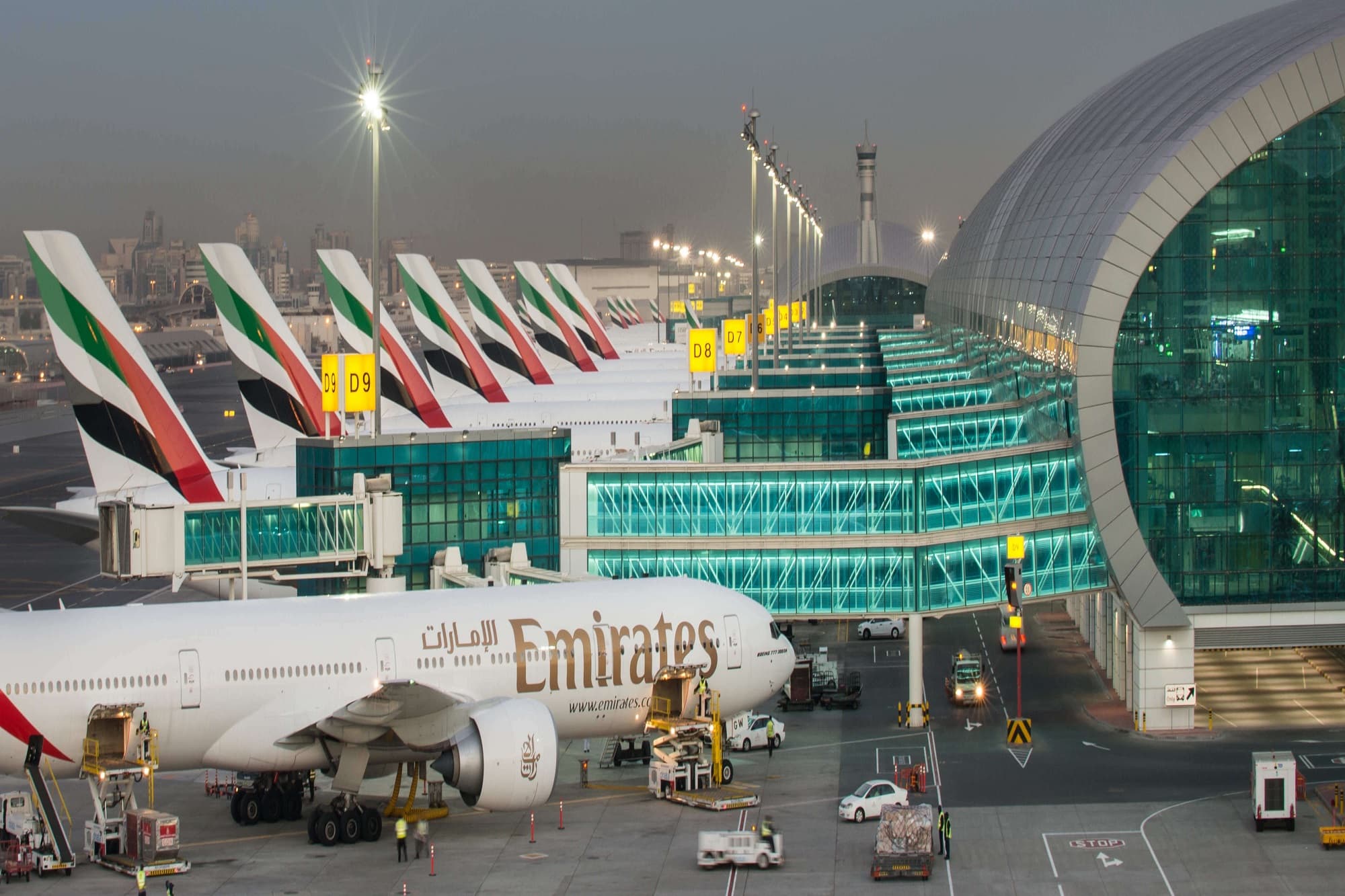
Iranian Drone Strike Shuts Dubai International Airport, Thousands Stranded
25 sources compared

Iran Drone Strike Shuts Dubai International Airport, Triggers Global Travel Disruption
16 sources compared

Iran's New Supreme Leader Mojtaba Khamenei Travels to Moscow for Leg Surgery
15 sources compared