China13 April, 20261 min read
US Blockade of Strait of Hormuz Threatens China's Oil Imports and Global Trade
This article is an automated aggregation of coverage from news outlets. Our editorials offer in-depth analysis curated by the NewsCord team.
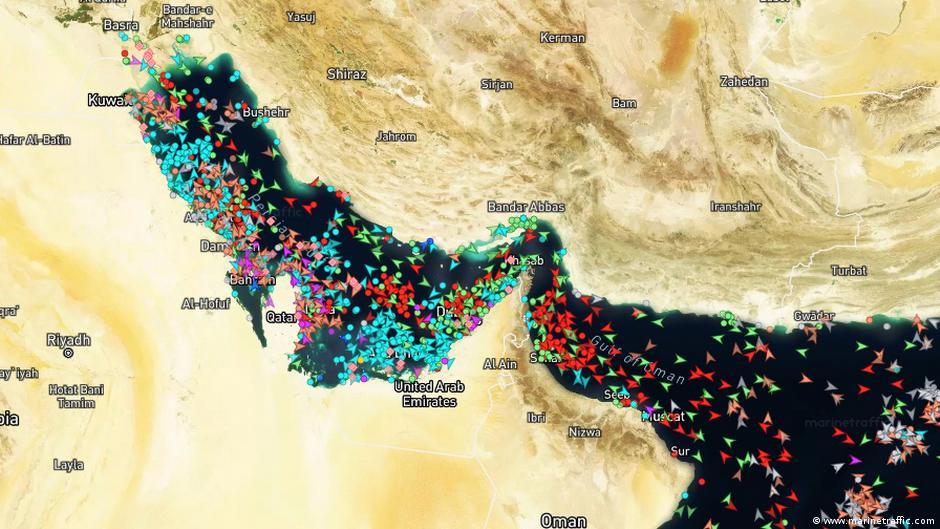
The US began enforcing a naval blockade of Hormuz, restricting Iranian-port vessels. Blockade threatens global energy markets, deepening crisis and pressuring Asian economies reliant on Iranian oil.
China's Crucial Stake
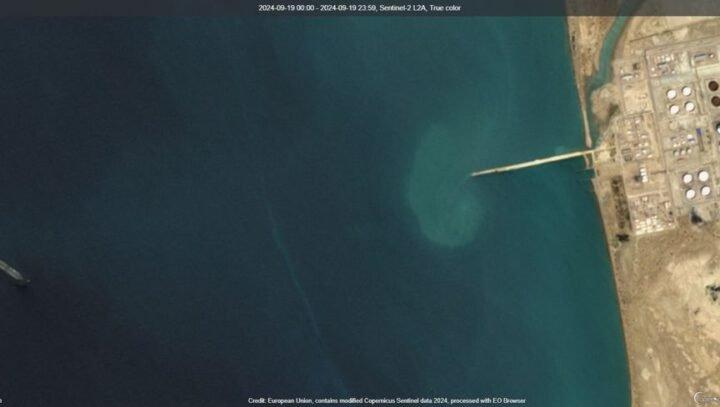
China emerged as the most economically vulnerable nation to the U.S. blockade of the Strait of Hormuz. China accounts for more than 90 percent of Iran's oil exports, importing roughly 1.5 to 1.6 million barrels per day. The trade operates in a legal grey zone, with Iranian oil shipped via a shadow fleet of tankers under flags of convenience.
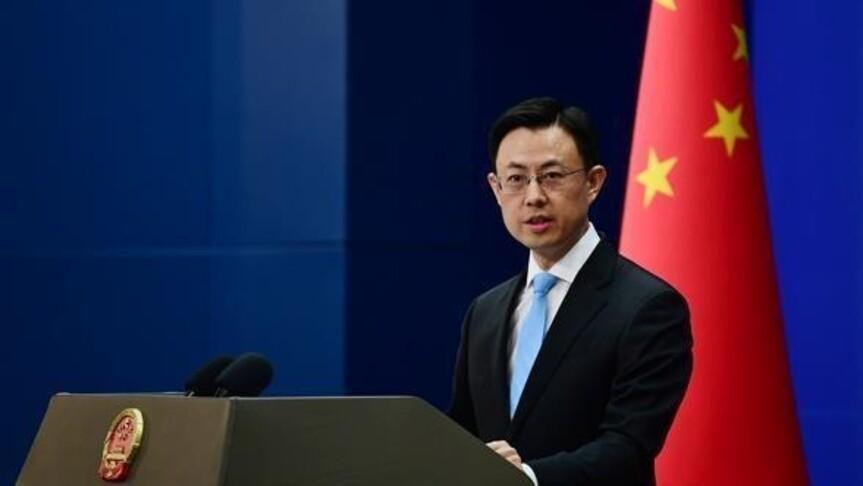
Beijing's Foreign Ministry spokesman Guo Jiakun said the strait was an important channel for international trade and energy. Guo added that the root cause of disruptions lies in the conflict involving Iran.
Economic and Diplomatic Fallout
The blockade immediately halted tanker traffic through the Strait of Hormuz.
Crude oil surged with U.S. WTI futures jumping more than 8 percent.
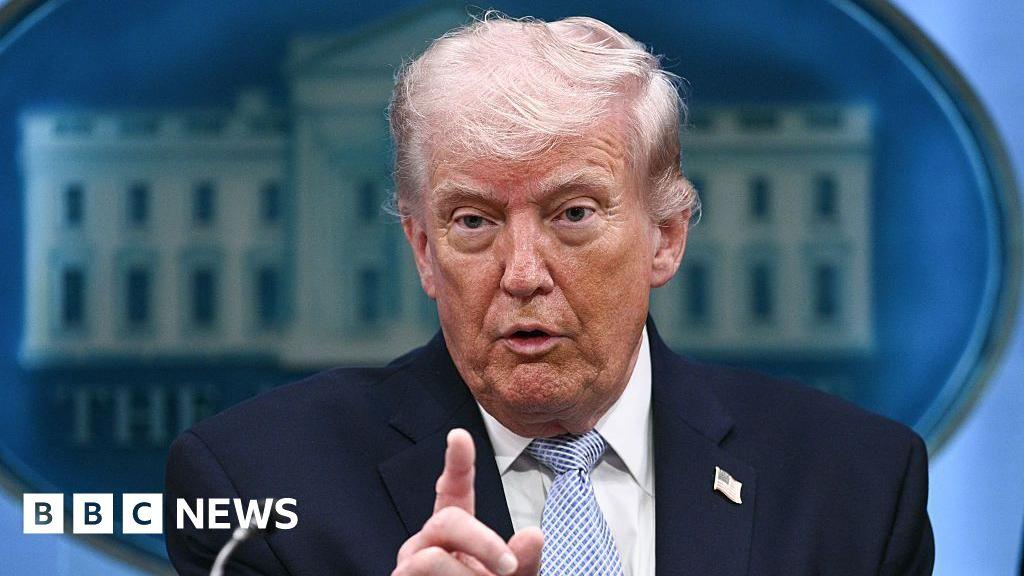
Trump told Fox News that the blockade would be all or nothing.
European brands faced fresh scrutiny after the Bangladesh factory fire.
Rahman Textile produced clothing for brands including Hessen and BrandBox.
Legal and Regional Risks
Under international law, a blockade is widely regarded as an act of war. Three legal experts questioned whether a blockade would violate the current ceasefire. Iran's Revolutionary Guard warned that any approaching military vessels would be a violation.
Former American military leaders warned of broader regional confrontation. The blockade risks drawing the world's second-largest economy into the confrontation.
Global Economic Impact
The blockade threatened to deepen the world's worst energy crisis. The IMF and World Bank signaled they would downgrade global growth forecasts. Clearing the backlog of stranded vessels could take weeks.
The disruption sparked warnings of an energy shortage worse than the 1970s oil crisis. The European Commission estimated the crisis had cost Europeans 22 billion euros.