USA19 March, 20263 min read
U.S. Commission of Fine Arts Approves 24-Karat Gold Coin Bearing Trump's Image
This article is an automated aggregation of coverage from news outlets. Our editorials offer in-depth analysis curated by the NewsCord team.
U.S. Commission of Fine Arts unanimously approved 24-karat gold Trump coin for 250th anniversary. U.S. Mint will strike the commemorative coin featuring Trump's portrait.
Commission Approval
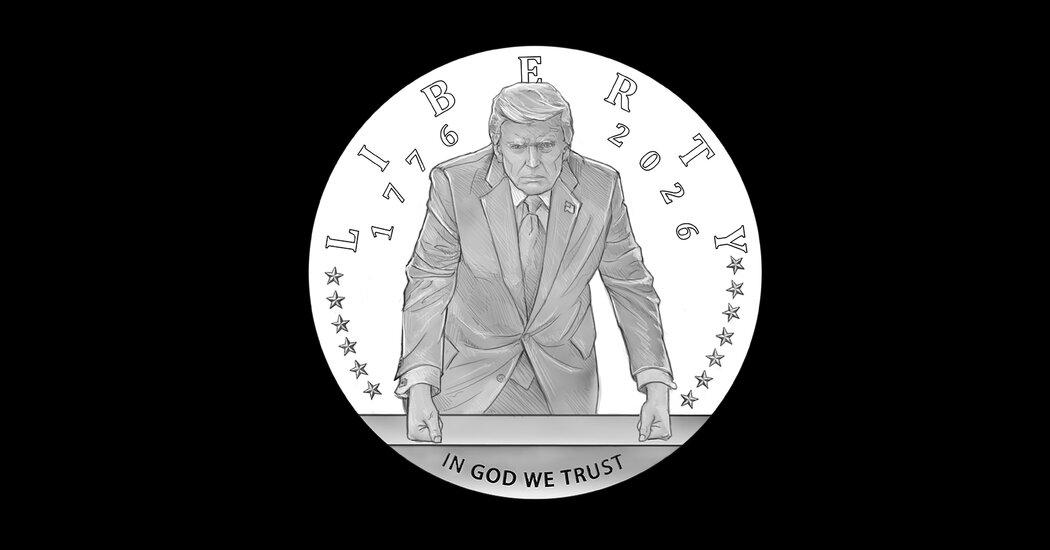
The U.S. Commission of Fine Arts voted unanimously on Thursday, March 19, 2026, to approve a 24-karat gold commemorative coin featuring President Donald J. Trump's image.
“The U.S. Commission of Fine Arts (CFA) voted on Thursday, March 19, 2026, to approve the final design for a 24-karat gold commemorative coin featuring the image of President Donald J.Trump.”
This decision clears the final aesthetic hurdle for the United States Mint to begin limited production of the controversial bullion pieces.
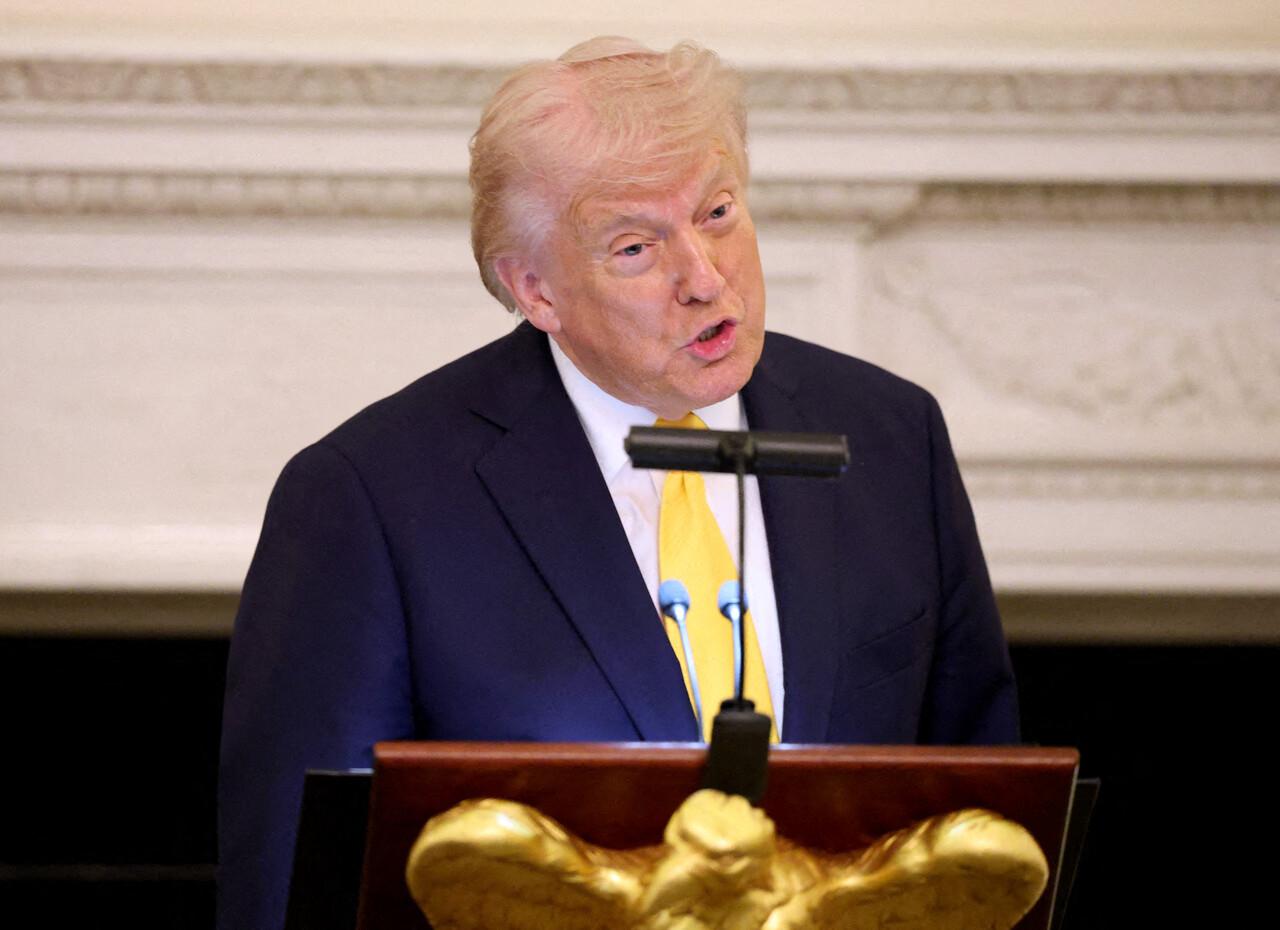
The commission, composed entirely of Trump appointees, represents the latest effort by the Trump administration to embed the President's image in national symbols.
Similar initiatives include renaming the U.S. Institute of Peace and the Kennedy Center.
The approval comes amid intense debate about whether such coins violate long-standing American traditions against featuring living political figures on currency.
Critics draw parallels to practices in monarchies and dictatorships rather than democratic nations.
Coin Design Details
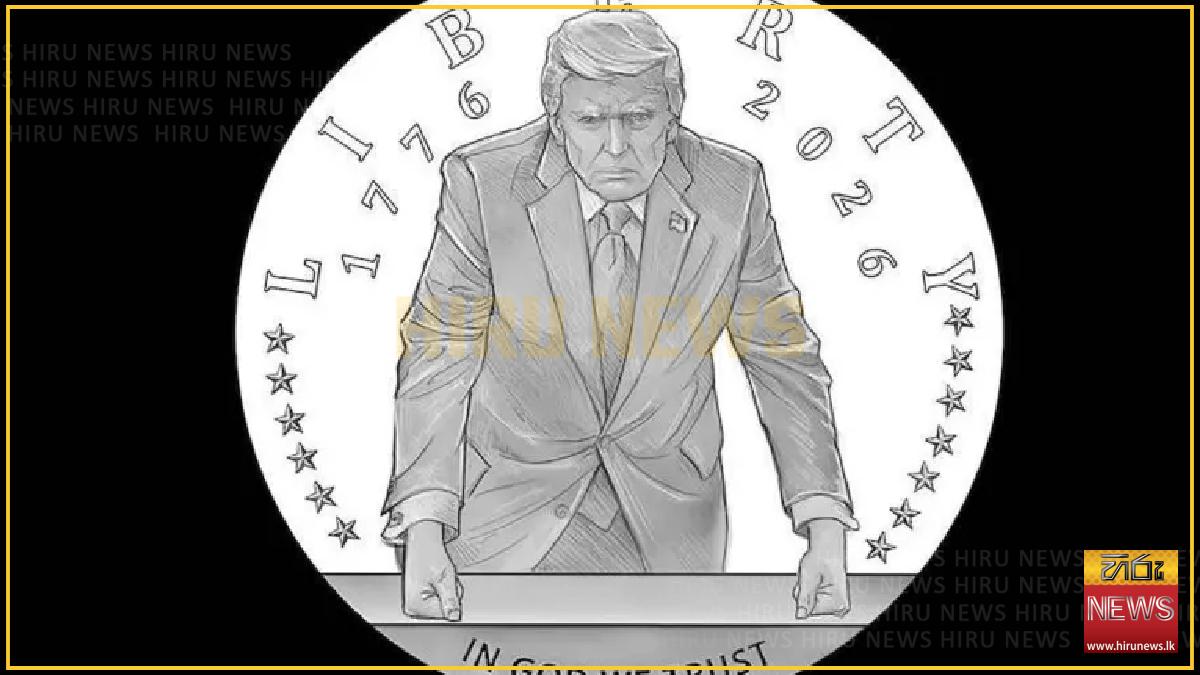
The approved coin design features a striking obverse portrait of President Trump leaning forward over what appears to be the Resolute Desk in the Oval Office. Trump is depicted with his fists clenched and resting on the surface, wearing a suit and tie with a resolute expression. The imagery is based on a photograph taken by a White House photographer that currently hangs in the Smithsonian's National Portrait Gallery.
The reverse side illustrates a bald eagle in mid-flight clutching an oak branch. Inscriptions include "LIBERTY" with dual dates "1776–2026" on the obverse, and "UNITED STATES OF AMERICA" and "E PLURIBUS UNUM" on the reverse.

Thirteen stars represent the original colonies on the coin. Discussions during the commission meeting focused on the coin's dimensions, with some advocating for a diameter of up to three inches.
Legal Controversy
The approval has ignited fierce legal and political debate, with critics arguing that the coin represents a dangerous departure from American democratic traditions.
“Under 31 U.S. Code § 5112, no United States coin may bear the image of a living person, a rule specifically designed to ensure that the honor of appearing on legal tender is reserved for historical figures whose legacies have stood the test of time.”
Federal law under 31 U.S. Code § 5112 prohibits the depiction of living persons on United States coins.
This rule is specifically designed to prevent the politicization of currency and ensure that such honors are reserved for historical figures.
The Treasury Department argues that because these are numismatic "collector" products rather than standard circulating currency, the prohibition can be bypassed through administrative decree.
This interpretation has drawn condemnation from legal scholars and opposition lawmakers.
One Citizens Coinage Advisory Committee member noted that "only nations governed by kings or dictators put the image of their leader on their coins."
Senator Jeff Merkley has called for an investigation into what he terms "partisan memorabilia."
Political Reactions
Political reaction to the coin has fallen strictly along partisan lines, with Republican lawmakers hailing it as a "masterpiece of American pride" while Democrats have condemned it as partisan propaganda.
The Treasury has positioned the coin as emblematic of the nation's enduring spirit and democracy.
U.S. Treasurer Brandon Beach stated that "there is no profile more emblematic for the front of such coins than that of our serving President, Donald J. Trump."
Critics argue that the commission's unanimous vote reflects its Trump-appointed composition rather than genuine aesthetic judgment.
Chamberlain Harris, a top White House aide and Trump appointee to the commission, praised the design for capturing a "very strong and very tough" image of the President.
Harris noted that "it's fitting to have a current sitting president who's presiding over the country over the 250th year on a commemorative coin for said year."
The administration has pointed to the Circulating Collectible Coin Redesign Act of 2020, signed by Trump during his first term, as legislative foundation for their efforts.
Production Details
The U.S. Mint in Philadelphia and West Point is expected to produce the 24-karat gold coins.
“The U.S. Mint in Philadelphia and West Point are expected to produce the 24-karat gold coins. While the Mint has not yet released pricing, similar 1-ounce gold commemorative coins typically retail for over $2,500, depending on the spot price of gold and the numismatic premium. Given the limited 'limited production run' mentioned by Sullivan, collectors and political supporters are expected to drive high demand, potentially leading to a rapid sell-out.”
These coins will be marketed as collector's items rather than circulating currency.

While the Mint has not yet released pricing, similar 1-ounce gold commemorative coins typically retail for over $2,500.
Given the limited production run, collectors and political supporters are expected to drive high demand, potentially leading to a rapid sell-out.
This gold coin is separate from the broader "Semiquincentennial Circulating Coin Program" that began shipping to banks in early 2026.
That program features historical allegories of Liberty and the Revolutionary War.
The administration's attempt to place the President on a standard $1 circulating coin remains stalled in legal limbo.
With the CFA's approval, the engraving process will begin immediately to ensure the coins are available for purchase by the July 4th deadline.