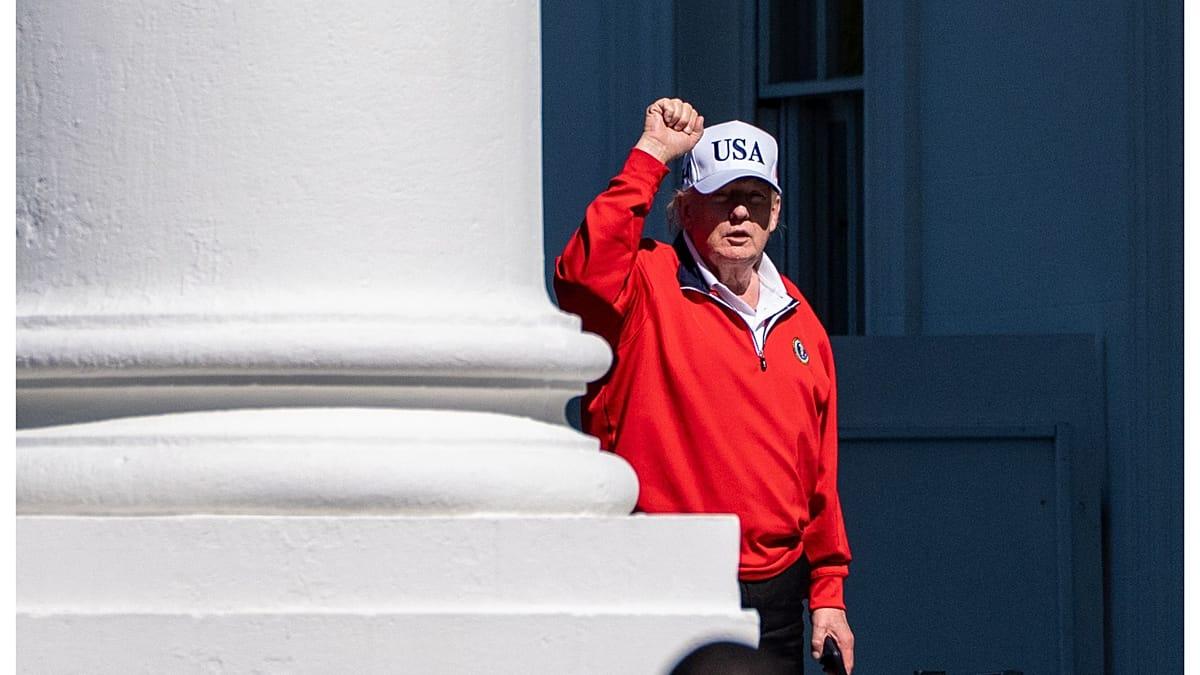
U.S. Conducts Self-Defense Strikes After Iran Missile Attacks on Kuwait and Bahrain
Key Takeaways
- Iran fired ballistic missiles at Kuwait and Bahrain.
- The United States launched self-defense strikes in response to the missiles.
- U.S.-Iran diplomacy continues, with ongoing talks amid conflicting signals and calls for de-escalation.
Missiles, drones, and Qeshm
The U.S. said Iran launched ballistic missiles toward regional neighbors and that U.S. forces intercepted multiple Iranian missiles and drones and carried out self-defense strikes on Qeshm Island after “attempted attacks” by Iran in the Middle East on Tuesday, according to U.S. Central Command.
CENTCOM said “all failed to hit their intended targets,” adding that two missiles launched at Kuwait were unsuccessful while three fired at Bahrain were intercepted by U.S. and Bahrain air defense forces.

CENTCOM also said U.S. forces shot down multiple attack drones launched by Iran “toward civilian mariners that were rightfully transiting regional waters,” and that the self-defense strikes on Qeshm Island targeted an Iranian military ground control station.
In the same sequence of actions, the Kuwait Army said its air defenses are “currently confronting hostile missile and drone attacks,” and it told residents to follow instructions from authorities and that they may hear explosions due to air defenses intercepting the attacks.
ABC News reported President Donald Trump announced “major combat operations” against Iran on Feb. 28 and later said the U.S. blockade would continue until negotiations are concluded “one way or the other.”
Talks disputed, threats persist
While Trump said talks were continuing, DW reported that Trump rejected reports that the U.S. and Iran have stopped discussions and posted on Truth Social that “The conversations between us have been going on continuously, including four days ago, three days ago, two days ago, one day ago, and today.”
DW also quoted U.S. Secretary of State Marco Rubio telling the Senate Foreign Relations Committee that “Israel and Lebanon can do a peace deal tomorrow,” while adding that “Hezbollah is the impediment. There is no Hezbollah without Iran.”

In parallel, CBS News quoted a senior Iranian military officer saying, “The United States demands our total surrender, and the Iranian nation will never surrender,” and that “Without surrender, war is inevitable.”
CBS News said Israel and Hezbollah clashed overnight despite Trump’s announcement that both sides had agreed to halt fighting, and it reported that Hezbollah claimed a rocket attack on an Israeli tank early Tuesday in Hadatha, in southern Lebanon.
NBC News reported Iran suspended high-stakes negotiations with the United States on Monday to protest Israel’s expanding military offensive in Lebanon, with Tasnim saying the Iranian negotiating team would suspend “talks and the exchange of texts through mediators.”
Nuclear conditions and next moves
As negotiations continued amid competing claims, CNBC reported Rubio told the Senate Foreign Relations Committee that “there is the prospect” that Iran “could negotiate aspects of their nuclear program,” while also saying it is “not a guarantee that ultimately it will lead to a deal that’s acceptable.”
CNBC also quoted Rubio rejecting sanctions relief as an exchange for reopening the Strait of Hormuz, saying “any sanctions relief is condition-based, which means it has to be in return for the reason why those sanctions were put in place in the first place, which is their nuclear program.”
In a separate thread, Kurdistan24 quoted Trump saying, “Iran really wants to make a deal, and it will be a good one for the U.S.A. and those that are with us,” while also quoting Iran’s chief negotiator Mohammad Bagher Ghalibaf saying, “We will not approve any agreement until we are certain that the rights of the Iranian people have been upheld.”
Kurdistan24 further quoted Ghalibaf saying, “There is no trust in the enemy’s words and promises,” and that “Our only criterion is to achieve tangible results before we fulfil our commitments in return,” tying the next step to “tangible results.”
Benzinga reported French President Emmanuel Macron urged urgent U.S.–Iran negotiations and called for the Strait of Hormuz to be reopened “without any conditions and in accordance with international law,” while also urging continued negotiations on Iran’s nuclear program and ballistic missile development.
More on Iran
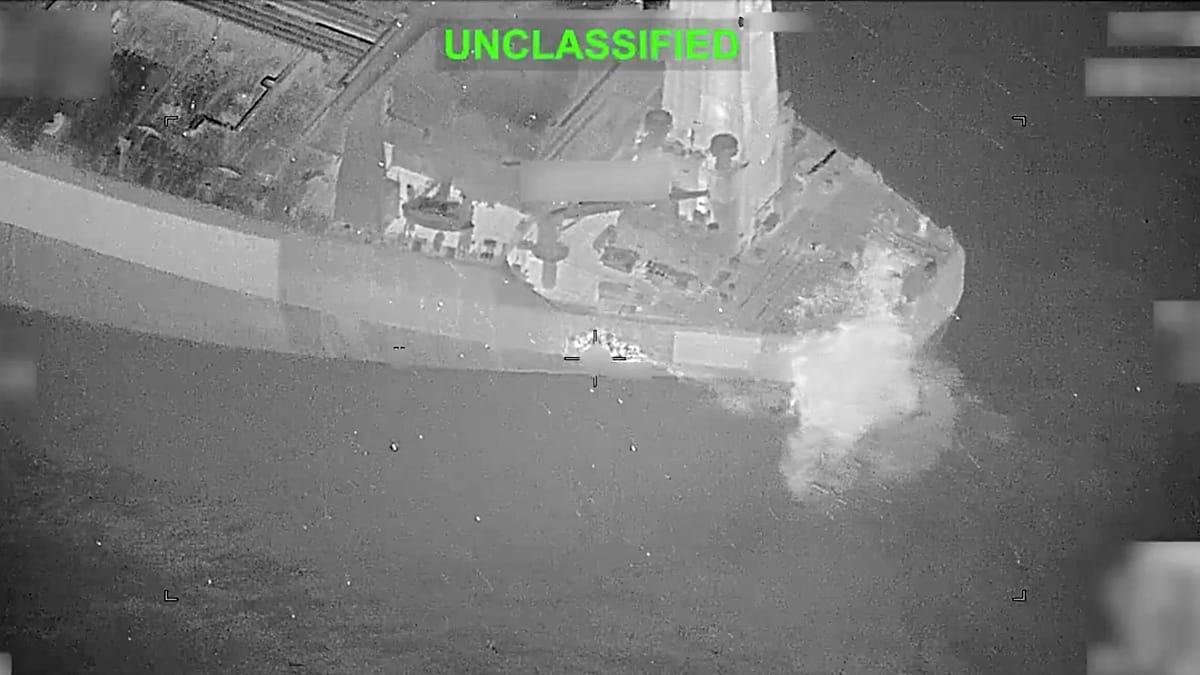
U.S. Forces Disable Botswana-Flagged M/T Lexie With Hellfire Missile Near Kharg Island
13 sources compared
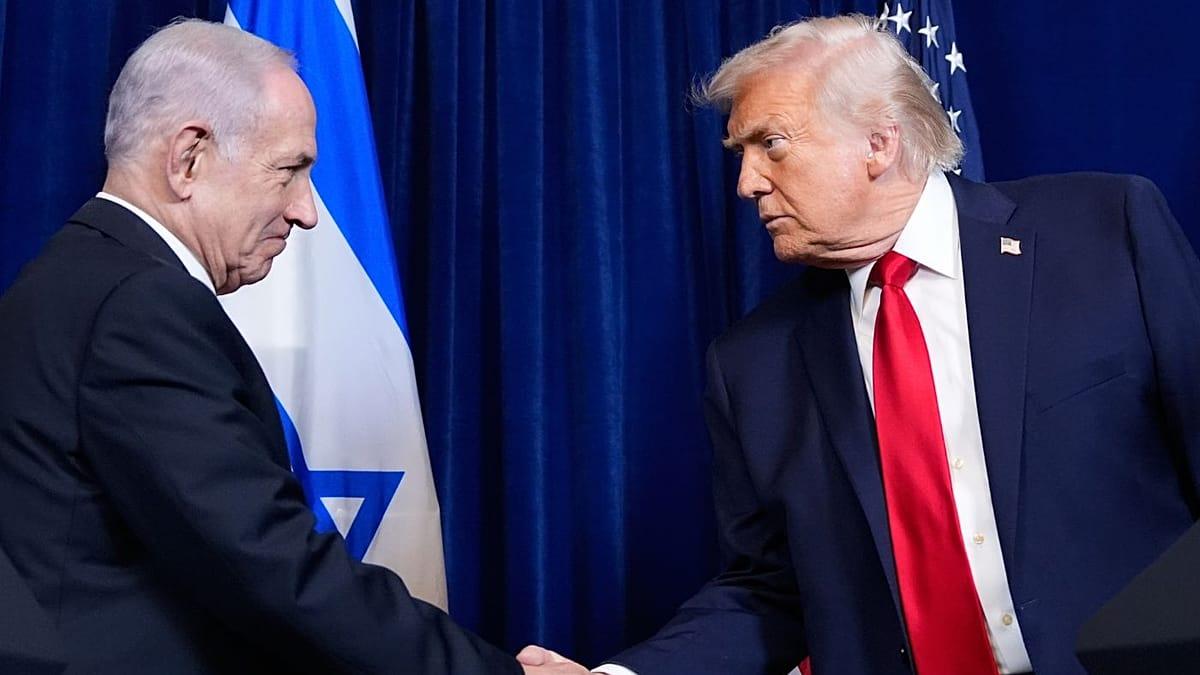
Trump Says Israel And Hezbollah Agreed To End Attacks, Netanyahu Rejects Cease-Fire
35 sources compared
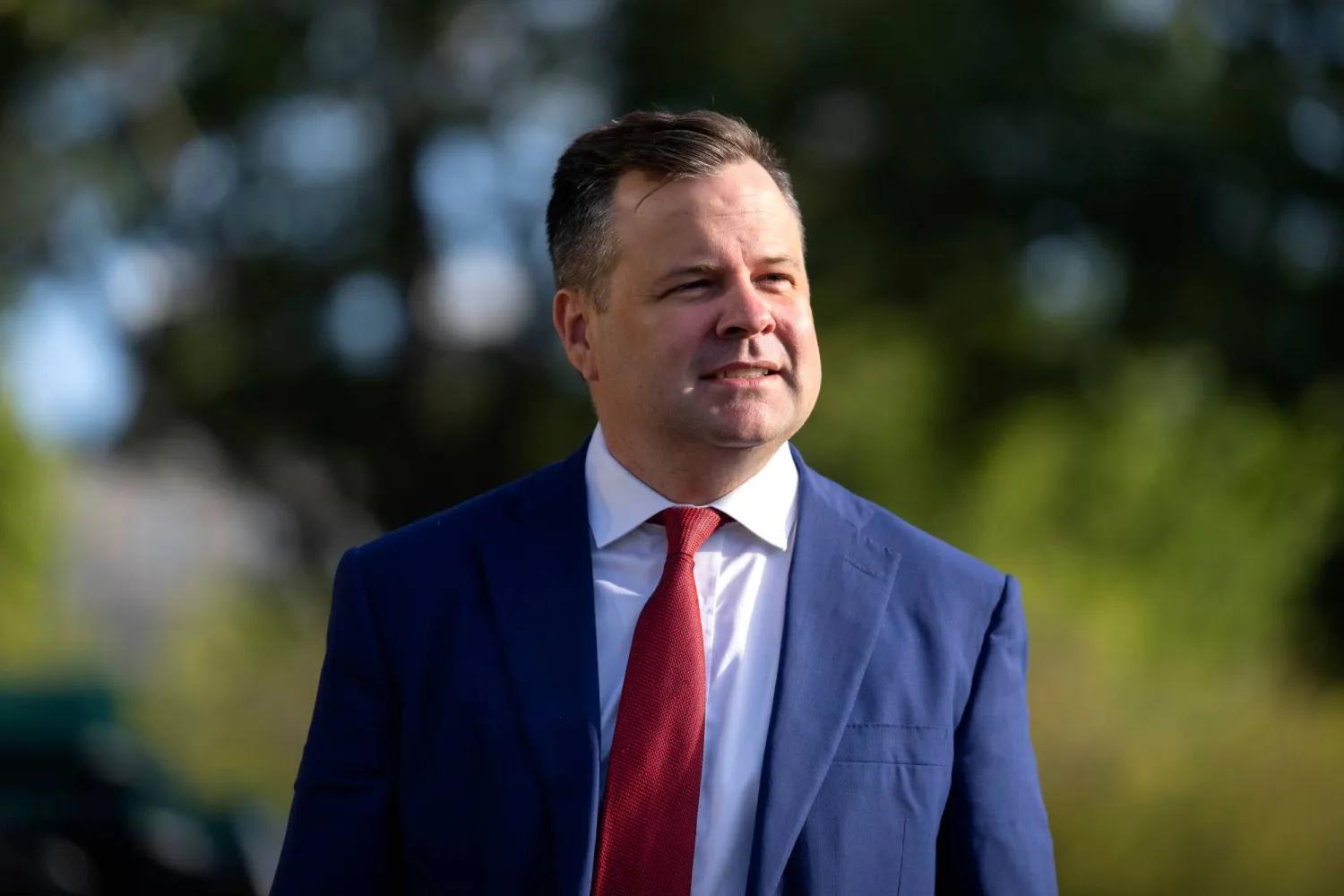
Trump Names Bill Pulte Acting Director of National Intelligence, Replacing Tulsi Gabbard
23 sources compared
Iran’s Khatam al-Anbiya Air Defense Network Inflicts Heaviest MQ-9 Losses on U.S. Drones
13 sources compared