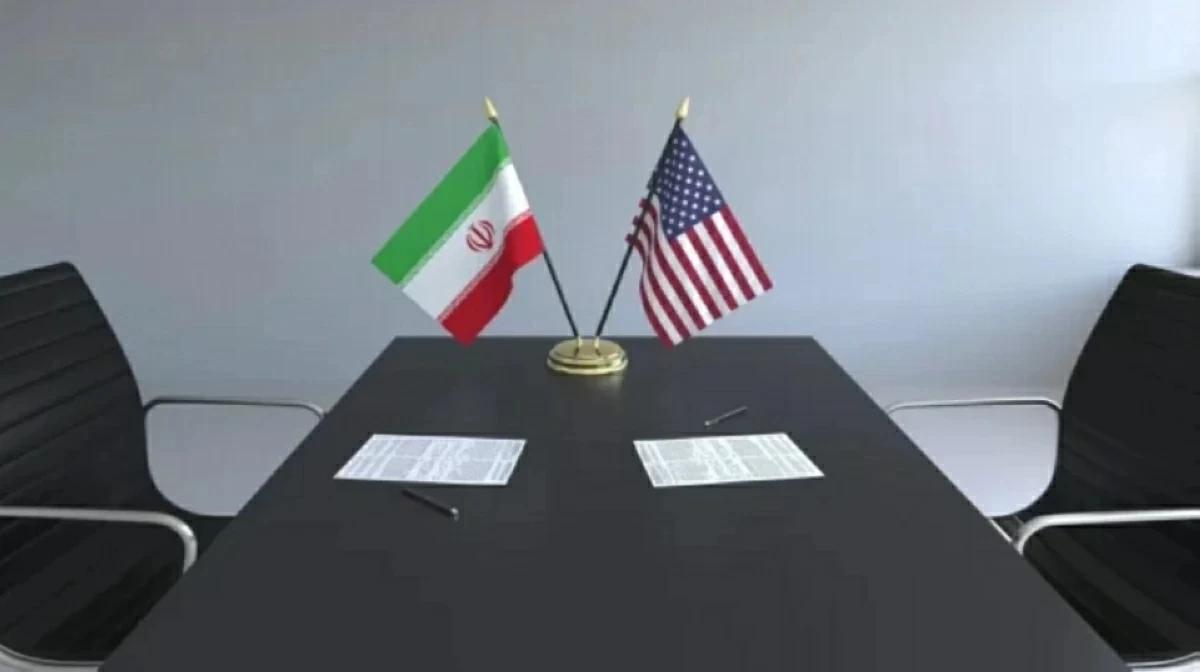
U.S. Conducts Self-Defense Strikes in Southern Iran as Iran-US Talks Continue in Qatar
Key Takeaways
- Iran and U.S. negotiators in Doha pursue deal to end the war; signing not imminent.
- Framework targets ceasefire extension and reopening of the Strait of Hormuz.
- Iran says progress but obstacles remain, with several issues still unresolved.
Talks in Qatar, strikes
Iran and the United States were continuing “intense talks” in Qatar as Israel prepared to expand its operations in Lebanon, while the U.S. military carried out “self-defense strikes” targeting Iranian missile launch sites and boats around the Strait of Hormuz on Monday, according to CNN and U.S. Central Command.
“Statements and indicators signaling a near-term provisional agreement between Iran and the United States are increasing, amid visits and intensive contacts to contain the escalation and remove obstacles that are still preventing the signing of the agreement”
CNN quoted CENTCOM spokesman Timothy Hawkins saying, “U.S. forces conducted self-defense strikes in southern Iran today to protect our troops from threats posed by Iranian forces,” and it said the targets included missile launch sites and Iranian boats attempting to emplace mines.

In parallel, CBS News said the United States and Iran had developed a “framework” that extends their ceasefire 60 days as the two sides reach a “final deal” to end the war, while in the meantime the Strait of Hormuz would be de-mined and reopened.
CBS News also reported that Iran acknowledged agreement with the U.S. on many points but said the signing of a deal is not imminent, and it stressed that the proposal under discussion does not include immediate concessions on the “nuclear issue.”
Rubio vs Iran negotiators
As diplomacy unfolded, NBC News reported that Iran warned Monday that an agreement to end the war was not imminent despite progress in talks with the U.S., after President Donald Trump raised and then lowered expectations that a deal may be close.
NBC News quoted Iranian Foreign Affairs Ministry spokesman Esmail Baghaei telling reporters that the focus of negotiations was on ending the war and “at this stage we are not discussing the details of the nuclear issue,” while it also said the agreement in the works does not detail how the Strait of Hormuz will be managed.
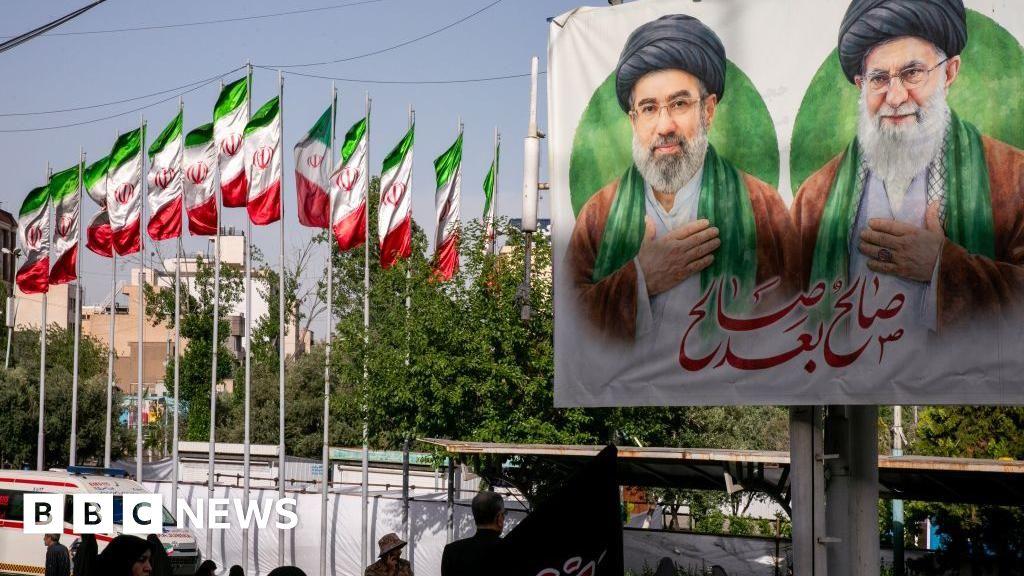
The BBC reported that Esmail Baqai said in Tehran on Monday, “But to say that this means the signing of an agreement is imminent - no-one can make such a claim,” after U.S. Secretary of State Marco Rubio said an agreement could possibly be reached on Monday.
BBC also said Rubio told reporters in the Indian capital, Delhi, “We thought we might have some news last night. Maybe today,” as oil prices fell and Asian stock markets rose on hopes of an agreement.
Strait, blockade, and Lebanon
The emerging deal framework described by CBS News and NBC News centers on reopening the Strait of Hormuz and extending the ceasefire, but it also leaves unresolved questions about nuclear issues and how the strait would be managed.
“What to know about the Iran war today: - President Trump has said a is "largely negotiated" and that he will either sign "a great and meaningful" pact with Tehran, "or there will be no deal”
NBC News said the framework would get the Strait of Hormuz “de-mined and back open for business,” and it reported that in exchange the U.S. would gradually lift its naval blockade and offer Iran long-sought financial relief only once Tehran followed through on its side of the agreement.
In Lebanon, CBS News said Israel’s Prime Minister Benjamin Netanyahu ordered an even greater acceleration of operations in a video statement posted on his Telegram channel, and it quoted him saying, “I have ordered an even greater acceleration of our operations,” as Israeli strikes continued despite a ceasefire that came into effect on April 17.
CBS News also reported that Israel and Iran-backed Hezbollah have continued to exchange fire on a near-daily basis since that April 17 ceasefire, underscoring how the next 60-day window could keep pressure on both sides while negotiations proceed.
More on Iran
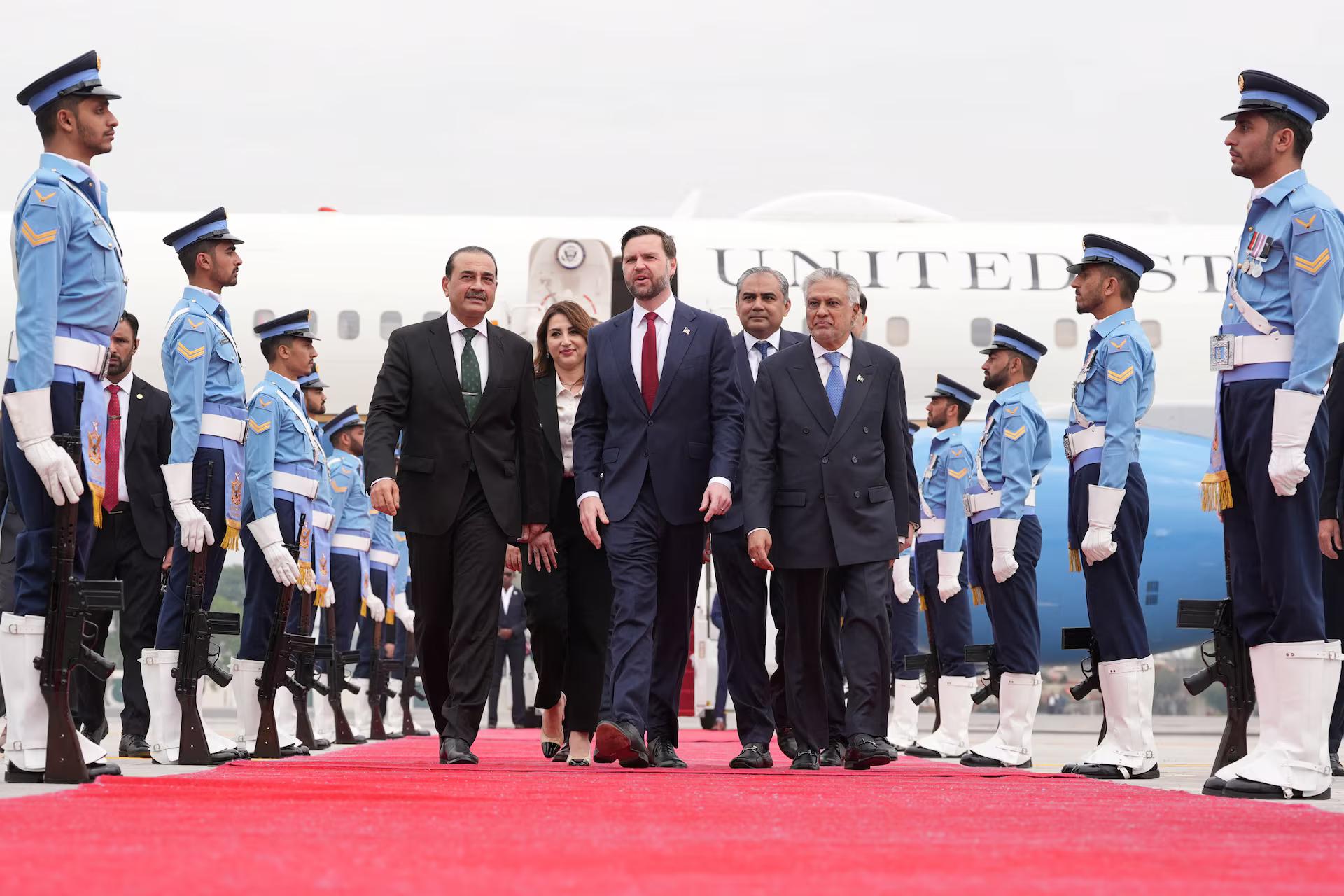
Iranian Officials Continue Talks in Qatar as Trump Demands Abraham Accords and Rejects Uranium Deal
13 sources compared
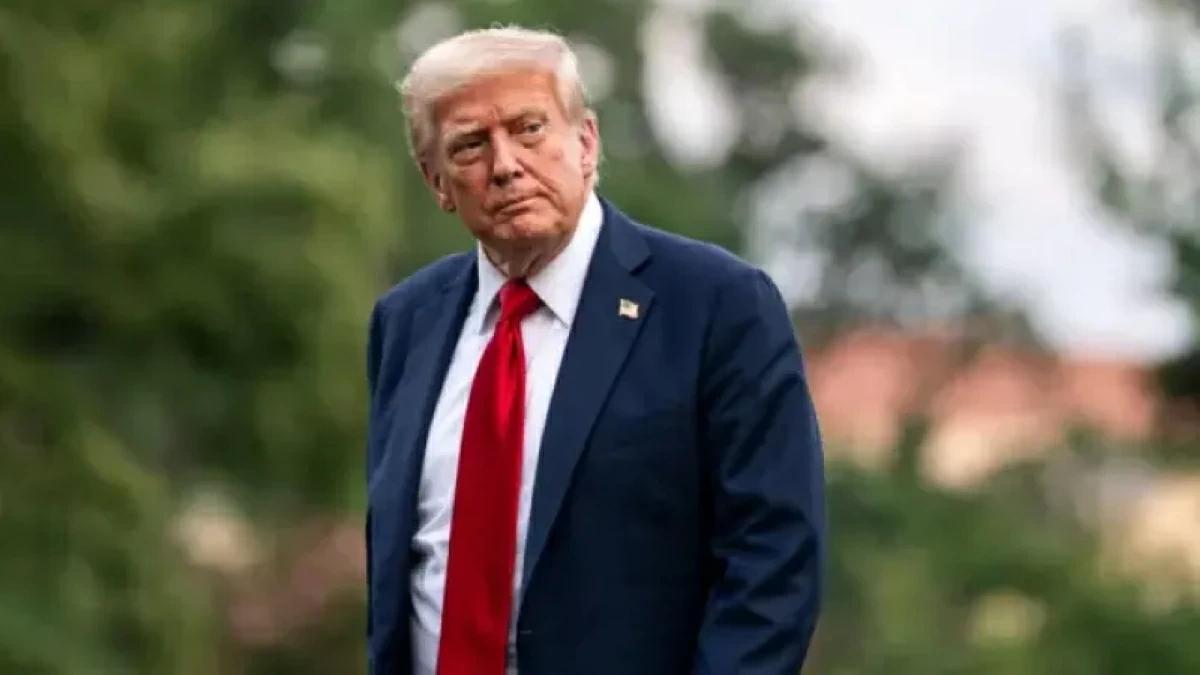
Donald Trump Demands Saudi Arabia, Qatar, and Others Join Abraham Accords in Iran Deal
35 sources compared

Trump Halts Planned Attack on Iran After Qatar, Saudi, UAE Request Delay
13 sources compared
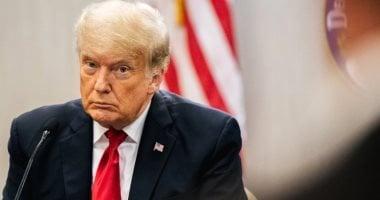
Iran’s Top Negotiators Arrive in Qatar as Trump Signals Mixed Iran Deal Prospects
13 sources compared