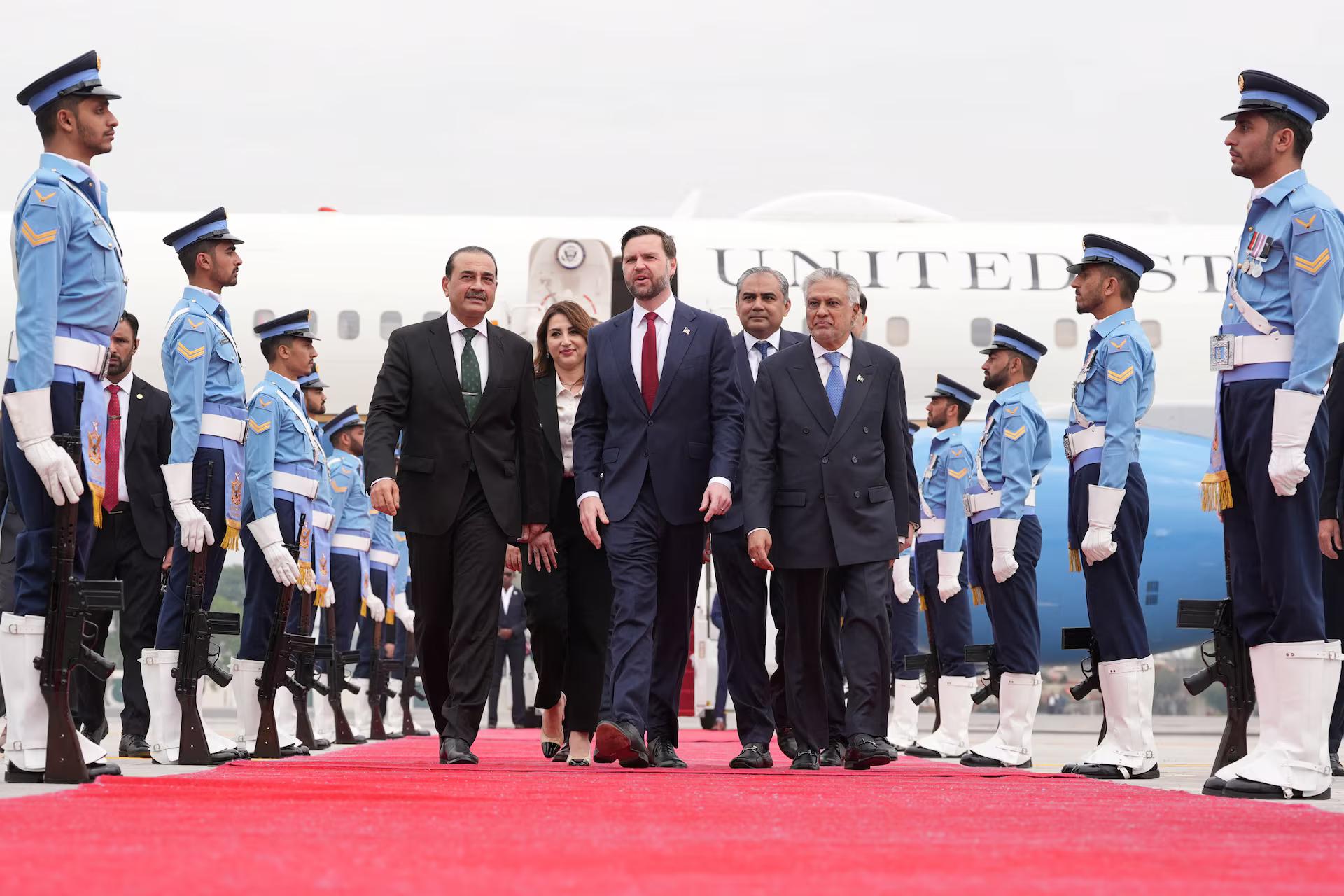
Iranian Officials Continue Talks in Qatar as Trump Demands Abraham Accords and Rejects Uranium Deal
Key Takeaways
- Iranian officials in Qatar pursuing a US-led deal to end the war; progress, not imminent.
- Disputes over nuclear language and sanctions persist; Iran demands Hormuz control and uranium.
- Trump conditions Iran deal on broader Israel normalization, urging Abraham Accords expansion.
Iran talks in Qatar
Iranian officials are in Qatar for negotiations as the US and Iran work toward what Secretary of State Marco Rubio described as a “memorandum of understanding,” but disputes over language on Iran’s nuclear program and the lifting of sanctions have held up finalization of a deal to end the war.
“Toggle Play Could Israel sabotage US-Iran deal”
A diplomatic source told CNN that these “intense talks” are continuing, while US President Donald Trump said negotiations are “proceeding nicely” and demanded that Middle East countries sign the Abraham Accords after a deal is reached.

Trump also said the United States would not bend on recovering Iran’s enriched uranium, adding, “We’re not going to let them have it,” as he laid out plans for destroying it.
CNN reported that three explosions were heard in the port city of Bandar Abbas, with Iran’s Islamic Revolutionary Guard Corps (IRGC) saying its air defense system in Bandar Abbas “has been activated to counter hostile targets.”
Abraham Accords demand
Trump said it should be “mandatory” for certain countries in the region—Saudi Arabia, Qatar, Egypt, Jordan, Turkey and Pakistan—to sign up to the Abraham accords as part of US efforts to reach a deal with Iran.
In a separate report, NPR said Trump called for more countries in the Middle East to normalize relations with Israel as part of any deal, writing that “It should be mandatory that all of these Countries, at a minimum, simultaneously, sign onto the Abraham Accords.”
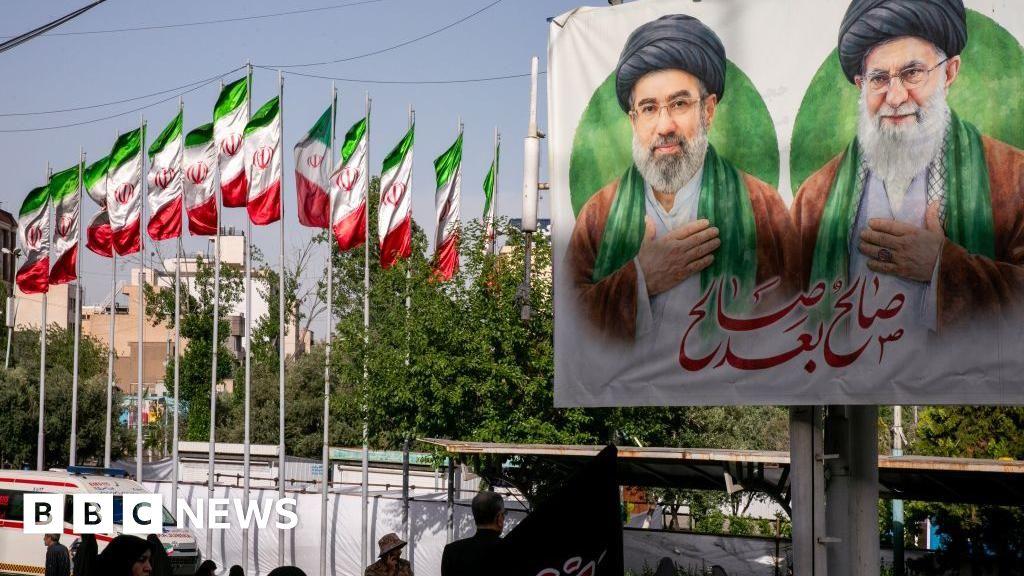
The BBC reported that Iran’s foreign ministry spokesman Esmail Baqai said a deal “is not imminent,” after Rubio said an agreement could possibly be reached on Monday.
CBS News said President Trump described the agreement as “largely negotiated,” while Iran acknowledged agreement with the U.S. on many points but said the signing of a deal is not imminent.
Lebanon escalation and stakes
As talks continue, Israel is preparing to expand its operations in Lebanon, with an Israeli source telling CNN that the moves are being “coordinated” with the United States.
“What to know about the Iran war today: - President Trump has said a is "largely negotiated" and that he will either sign "a great and meaningful" pact with Tehran, "or there will be no deal”
CBS News reported that Israeli Prime Minister Benjamin Netanyahu said he had ordered the military to escalate its offensive in Lebanon in an effort to “crush” Hezbollah, while AFP reported Hezbollah claimed responsibility for at least four drone attacks on the Shomera barracks.
The BBC said the memorandum of understanding reportedly involves a 60-day ceasefire extension and reopening the Strait of Hormuz, but Iran said nuclear issues were not part of the current negotiations.
In the Times of Israel, Sen. Lindsey Graham of South Carolina warned that a deal that leaves Iran in a strong position in the region would lead to a “nightmare for Israel,” linking the risk to Iran’s ability to terrorize the Strait and inflict massive damage to Gulf oil infrastructure.
More on Other
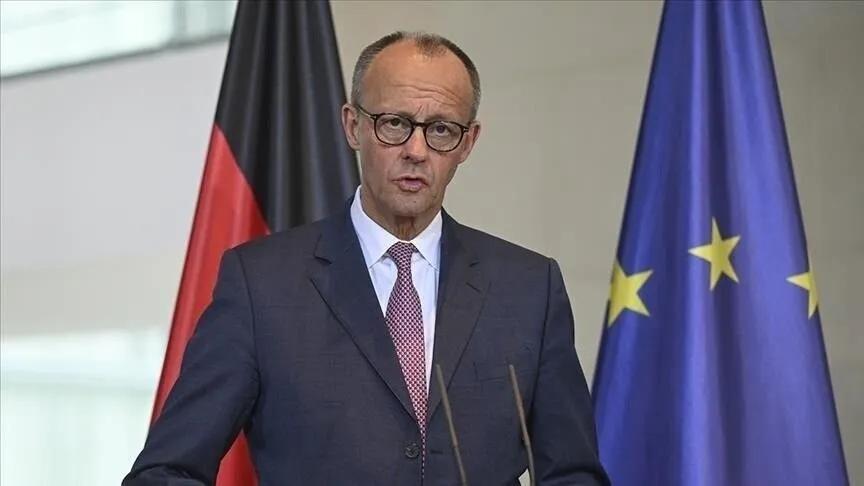
Britain, France, Germany, and Italy Warn Israel To Halt E1 Settlement Expansion
22 sources compared
Somaliland Opens Embassy in Jerusalem After Israel Recognition, Says Ambassador Mohamed Hagi
18 sources compared
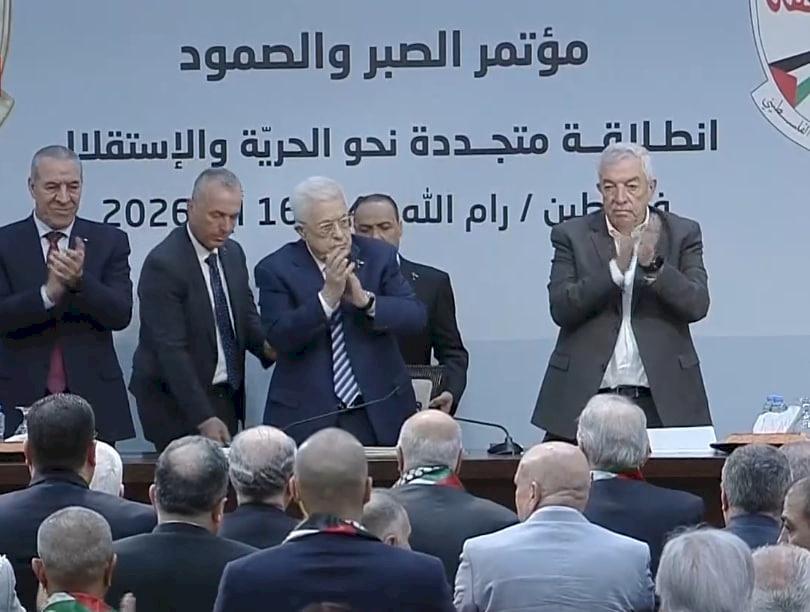
Mahmoud Abbas Casts Vote in Fatah Elections for Central Committee and Revolutionary Council
13 sources compared
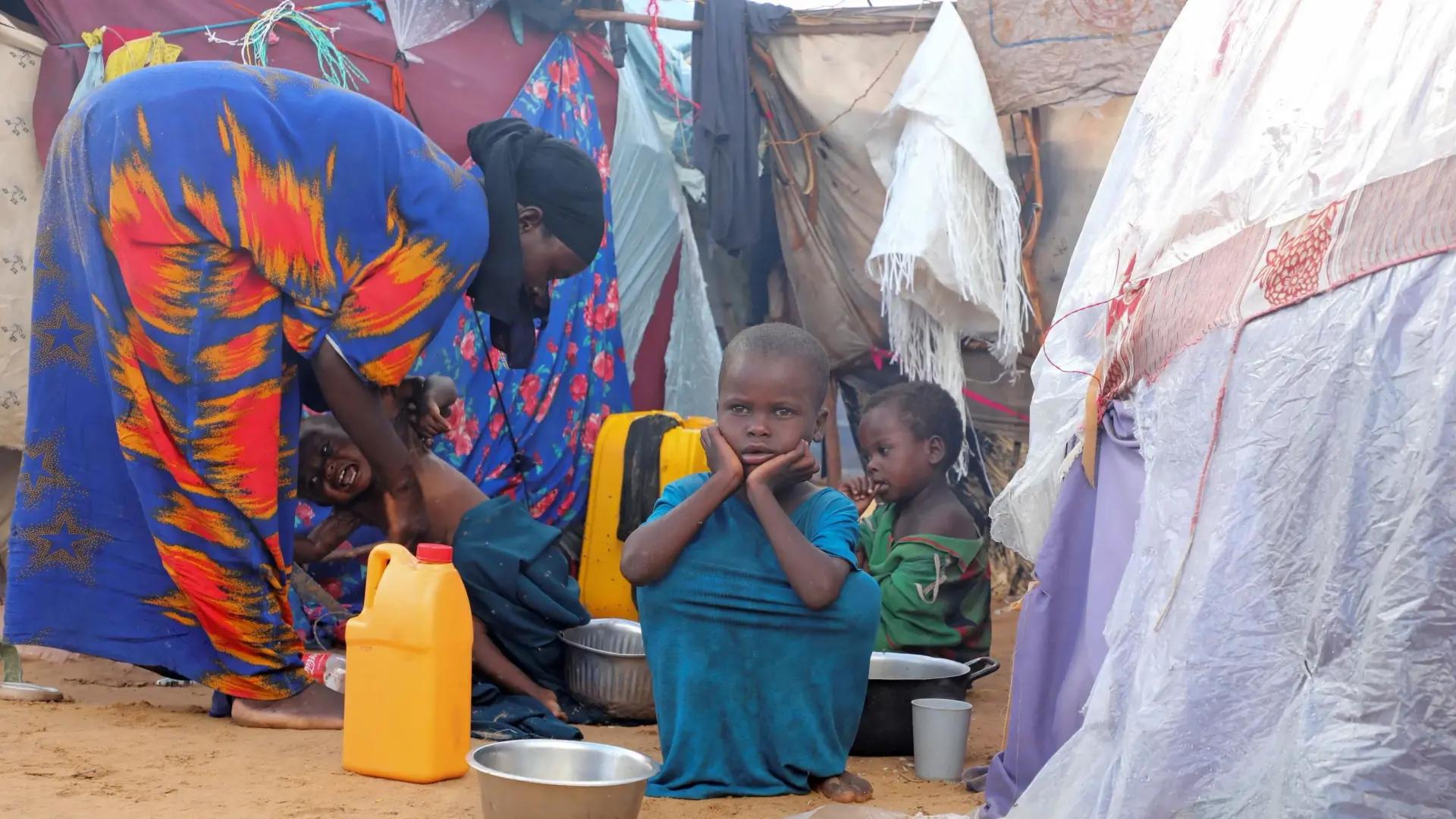
Conflicts and Violence Drove 32.3 Million New Internal Displacements in 2025, IDMC and NRC Say
11 sources compared