U.S. Conducts Self-Defense Strikes On Iran As Trump Says Talks Proceed Nicely
Key Takeaways
- U.S. conducts self-defense strikes on Iran as talks to end the war continue.
- Trump says the framework is largely negotiated, with provision to reopen Hormuz.
- Iran says progress on many issues with US but deal not imminent.
Talks, strikes, and timing
Iran warned that an agreement to end the war launched by the United States and Israel was not imminent, even as President Donald Trump said negotiations were proceeding “nicely” before warning fighting would resume “bigger and stronger than ever before” if talks failed.
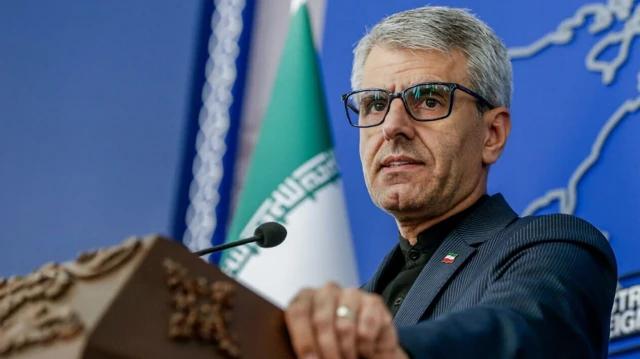
Secretary of State Marco Rubio said an agreement could be finalized “today,” while Iran’s Foreign Affairs Ministry spokesman Esmail Baghaei told reporters the focus was on ending the war and that “at this stage we are not discussing the details of the nuclear issue.”

The diplomacy unfolded as Iran’s top negotiators, Parliament Speaker Mohammad Bagher Ghalibaf and Foreign Minister Abbas Araghchi, arrived in Doha, Qatar, and the Strait of Hormuz remained central to the talks.
The U.S. side continued military pressure during negotiations, with U.S. Central Command saying it launched “self-defense strikes” while insisting it continues to “defend our forces while using restraint during the ongoing ceasefire.”
Abraham Accords and disputes
Trump linked an Iran deal with the Abraham Accords, calling on nations including Saudi Arabia, Qatar, Pakistan, Turkey, Egypt and Jordan to join the breakthrough agreements between Israel and some of its Arab neighbors, and he wrote on Truth Social that it should be “mandatory” for countries to “simultaneously, sign onto the Abraham Accords.”
Rubio, speaking in Jaipur, insisted the blockaded Strait of Hormuz will reopen “one way or the other,” while also saying the U.S. would “give diplomacy every chance to succeed before we explore the alternatives.”
Iran’s messaging stayed cautious, with Baghaei saying “no one can claim that this means an imminent agreement is about to be signed,” and with NPR reporting that Iranian officials signaled disagreements on key issues.
NPR also reported that Tasnim accused the U.S. of “obstructionism” over the release of some frozen Iranian funds in exchange for lifting restrictions over transit through the Strait of Hormuz, and that the proposed agreement would require restoring ship transits within 30 days while the U.S. would completely lift its blockade within the same time.
What’s at stake next
The Hill’s account of the reported terms emphasized a 60-day ceasefire and warned the ceasefire period “may deliver a strategic setback” for the U.S. while the U.S. ends its naval blockade of Iranian ports.
The same report said the Journal’s editorial board argued that if the U.S. ends the blockade and allows Iran to sell its oil, the administration’s lone tool to “coerce” the Islamic Republic into nuclear concessions would be the threat of renewed war.
NPR described how the U.S. military struck Iranian boats and missile launch sites Monday in Southern Iran, with Central Command spokesman Capt. Tim Hawkins saying the boats were attempting to place mines and that the military acted in “self-defense.”
As the next ceasefire deadline approached—tied to a 60-day window that would push it to late July or early August—CBS reported Iran’s supreme leader Mojtaba Khamenei said region’s nations would no longer serve as shields for U.S. bases, warning that “the nations and lands of the region will no longer serve as shields for American bases.”
More on Iran

Donald Trump Moves Cabinet Meeting From Camp David To White House Amid Iran Talks
11 sources compared
U.S. Strikes Hormozgan, IRGC Threatens Retaliation After Rubio Says Deal Possible
13 sources compared

U.S. Military Launches Self-Defense Strikes In Southern Iran, Targeting Missile Sites And Mine-Laying Boats
15 sources compared

Ayatollah Mojtaba Khamenei Warns Gulf Countries Won’t Shield US Bases After Iran Strikes
13 sources compared