US Deploys 10,000 Interceptor Drones Developed for Ukraine to the Middle East Against Iran.
Key Takeaways
- US deployed 10,000 interceptor drones developed for Ukraine to the Middle East against Iran.
- Aims to reduce reliance on high-cost missile defenses.
- US Army Secretary Dan Driscoll announced the deployment.
Strategic Deployment Overview
The United States has deployed 10,000 interceptor drones to the Middle East as part of a strategic military response to counter Iranian aerial attacks.
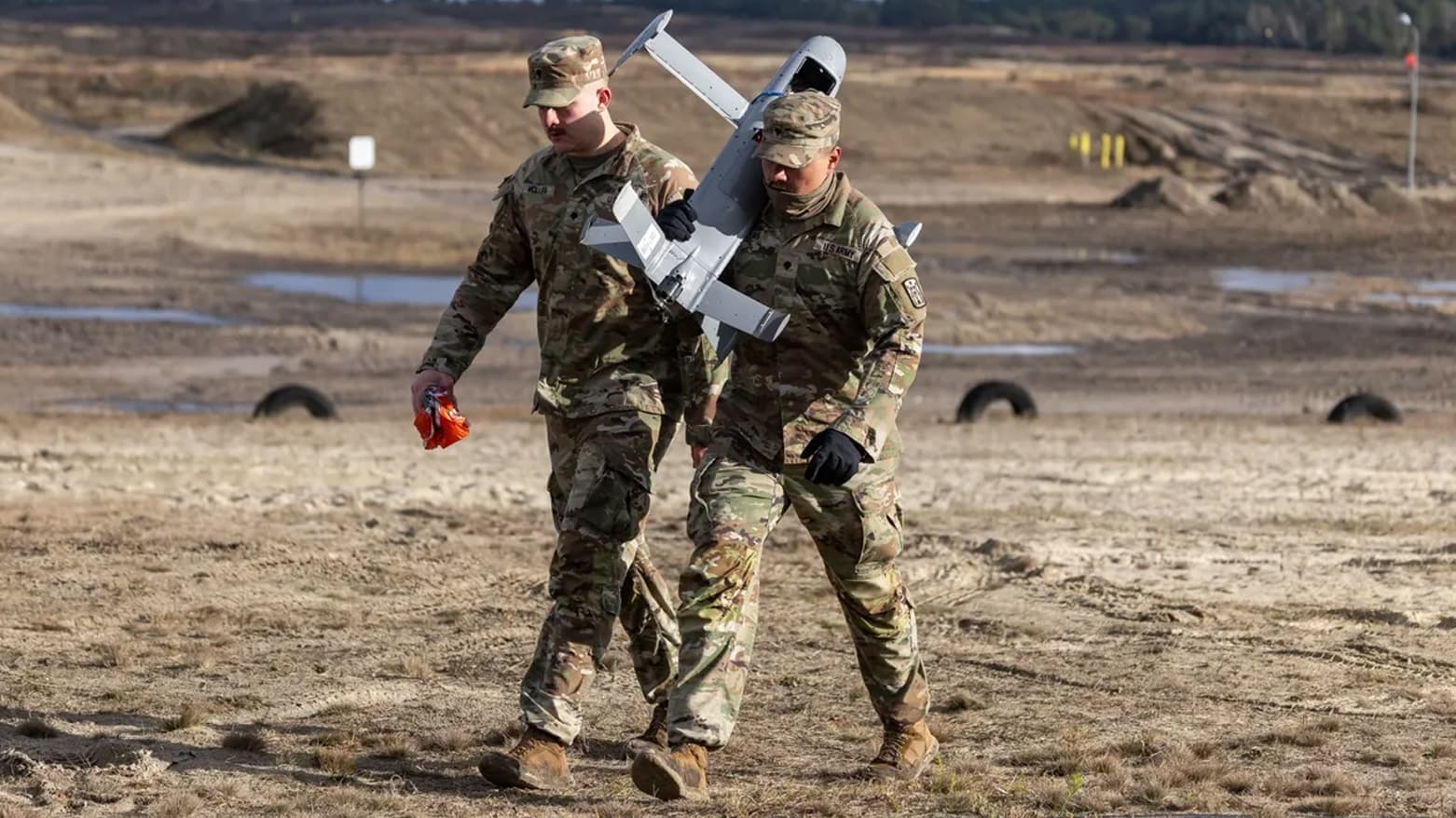
“US soldiers carry a Merops interceptor drone during tests at the Nowa Deba military training ground in south-eastern Poland, on Nov”
U.S. Army Secretary Dan Driscoll confirmed the deployment according to a Bloomberg report, indicating these drones represent a significant shift in regional defense strategy.
The Merops interceptors were rapidly deployed within just five days of the commencement of a U.S.-Israeli military operation against Iran that began on February 28, 2026.
This swift deployment underscores the urgency of countering Iranian drone threats and the flexibility of modern military assets that can be repurposed from one conflict zone to another.
Merops Drone Technology
The Merops interceptor drones, originally developed for Ukraine's battlefield under Project Eagle, represent a sophisticated defense system with artificial intelligence capabilities.
These drones were specifically created as a cost-effective alternative to traditional missile defense systems, offering a more economical solution to counter aerial threats.
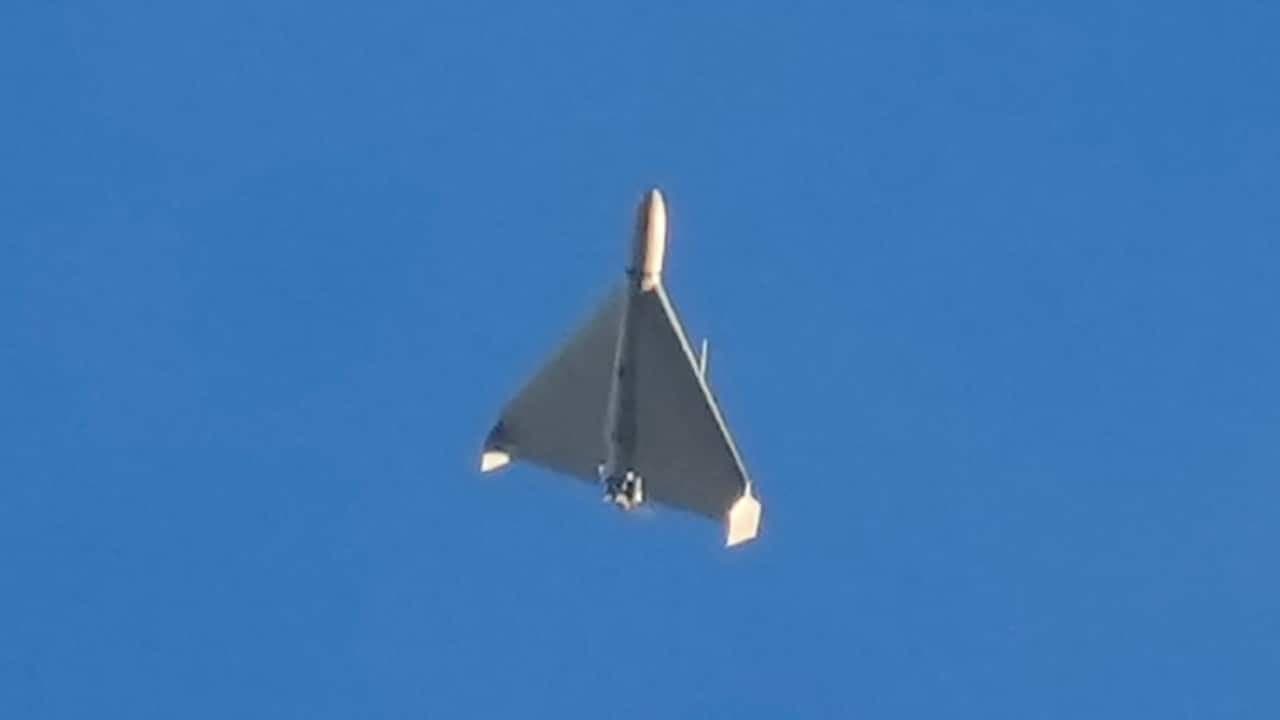
Project Eagle, the venture behind the Merops development, was backed by former Google CEO Eric Schmidt, indicating the involvement of private sector innovation in military technology.
The drones were initially sent to Ukraine in 2024 before being rapidly redeployed to the Middle East, demonstrating the versatility of modern defense systems across different conflict theaters.
Cost Efficiency Analysis
A critical strategic advantage of the Merops drones lies in their cost-effectiveness compared to Iranian aerial threats.
“My Account Follow us on: Powered By See the top gainers, losers, invest and get updated what's happening in the crypto market Invest Now Powered By Discover the secret world of unlisted shares — analyse India's top pre-IPO companies and invest before they hit the markets Invest Now Discover the latestBusiness News,Sensex, andNiftyupdates”
Individual Merops interceptors cost approximately $14,000 to $15,000 each, though larger orders could reduce the price to $3,000 to $5,000 per unit.
This pricing structure makes the drones significantly cheaper than Iran's Shahed drones, which cost at least $20,000 each and are widely used against the United States and its allies in the region.
The economic disparity suggests a favorable cost-benefit ratio for U.S. defense operations, allowing for more extensive deployment of interceptors while maintaining budgetary constraints.
This cost advantage could potentially alter the dynamics of aerial warfare in the Middle East by making drone interception more economically sustainable for U.S. forces.
Deployment Timeline Context
The timing and rapid deployment of the Merops drones highlight the immediate nature of the Iranian threat and the U.S. military's readiness to respond.
The interceptors were sent to the region within five days of the U.S.-Israeli military operation against Iran that commenced on February 28, 2026.
This swift logistical capability demonstrates the U.S. military's ability to redirect assets from one theater of operations to another with remarkable speed.
The deployment occurred in the context of heightened tensions between Iran and U.S.-Israeli forces, suggesting these drones are positioned as a critical component of the overall defense posture in the region.
The rapid response time indicates that the U.S. views Iranian aerial attacks as an immediate and pressing threat requiring immediate countermeasures.
Strategic Military Implications
The deployment of 10,000 Merops interceptor drones represents a significant strategic shift in U.S. military posture toward countering asymmetric aerial threats in the Middle East.
“US Deploys Interceptor Drones Developed for Ukraine to Counter Iranian Attacks, Army Secretary Says The United States has sent 10,000 interceptor drones developed for Ukraine’s battlefield to the Middle East to counter Iranian aerial attacks while reducing reliance on high-cost missile defense systems”
By reducing reliance on high-cost missile defense systems, the U.S. is adapting its defense strategy to better match the economics and scale of modern drone warfare.
The large-scale deployment suggests a comprehensive approach to air defense that prioritizes quantity and cost-effectiveness over expensive, high-tech systems.
This strategy could have profound implications for regional security dynamics, potentially altering the calculus for Iranian drone operations and other actors in the region.
The move also demonstrates the continuing evolution of military technology as drones become increasingly central to modern conflict strategies across multiple theaters of operation.
More on USA

FCC chair Brendan Carr Threatens Broadcasters' Licenses Over Iran War Coverage
18 sources compared

Cuba's Díaz-Canel Acknowledges Talks with U.S. as Energy Crisis Worsens
25 sources compared

Ric Grenell Steps Down as Kennedy Center President; Trump Names Replacement Matt Floca
10 sources compared
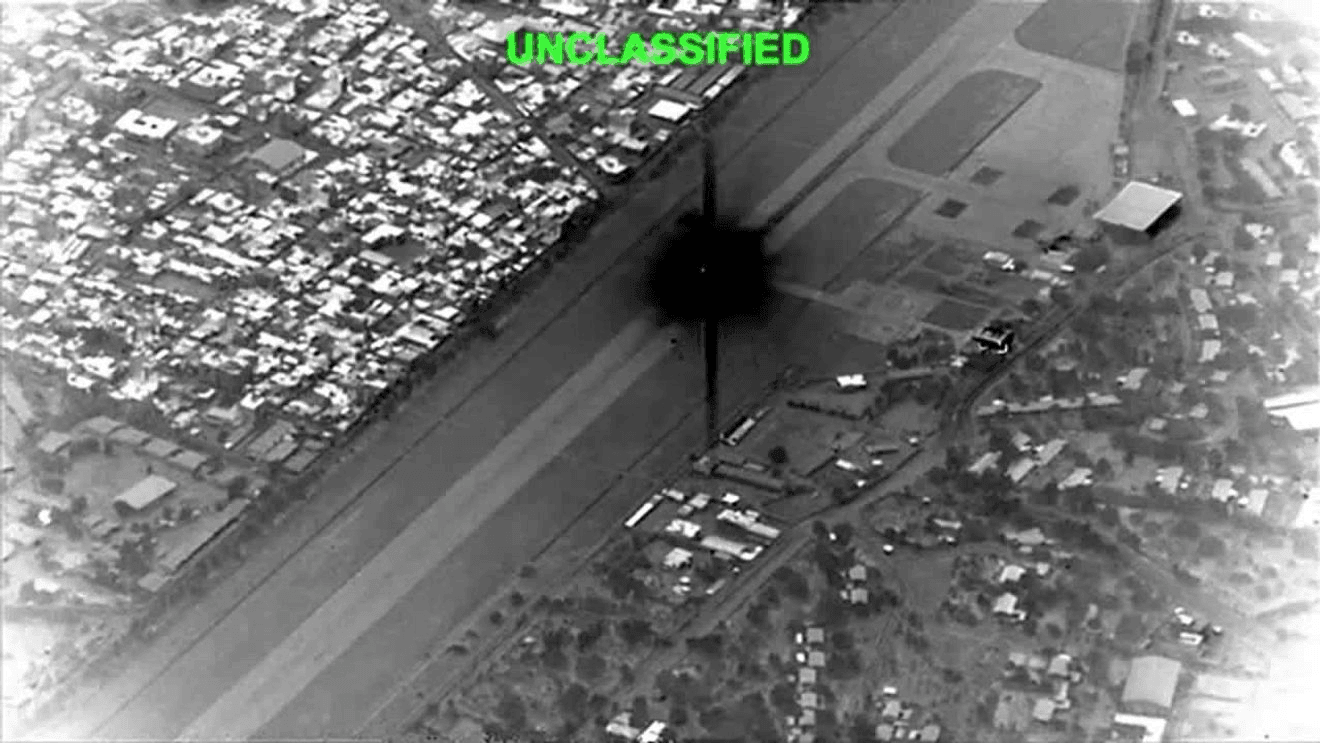
United States launches large-scale strike on Iran's Kharg Island, CENTCOM confirms.
14 sources compared