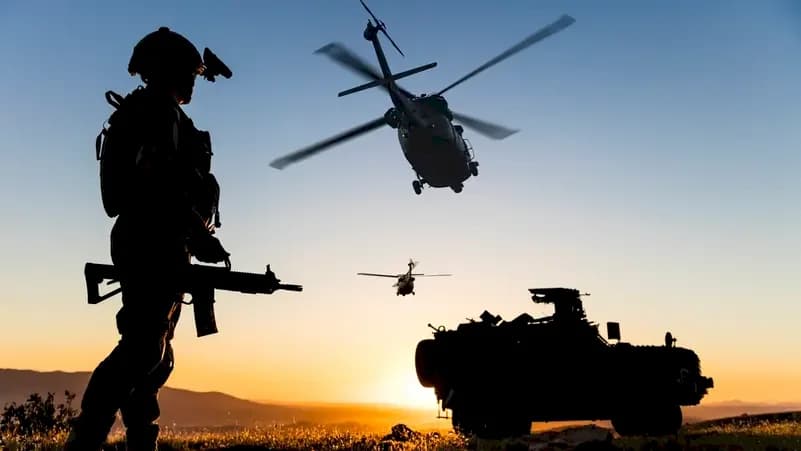
US Deploys About 2,500 Marines to Middle East After Iran Attacks Gulf Shipping
Key Takeaways
- Deployment includes USS Tripoli and the 31st Marine Expeditionary Unit aboard up to three warships
- Deployment responds to Iran attacks on Gulf shipping and disruptions in the Strait of Hormuz
- Reports differ on troop totals, citing roughly 2,200 to as many as 5,000 Marines
Deployment ordered
The Pentagon has ordered a Marine expeditionary unit—reported as roughly 2,200–2,500 Marines aboard as many as three amphibious warships—to deploy to the Middle East as Iran has stepped up attacks in the Strait of Hormuz.
“Officials also confirmed that Marine units are already in the area to support operations related to Iran”
Multiple outlets cited U.S. officials saying elements from the Japan‑based 31st Marine Expeditionary Unit and the amphibious assault ship USS Tripoli are being redirected to the region, where they will join more than 50,000 American troops already operating there.

Unit composition & capabilities
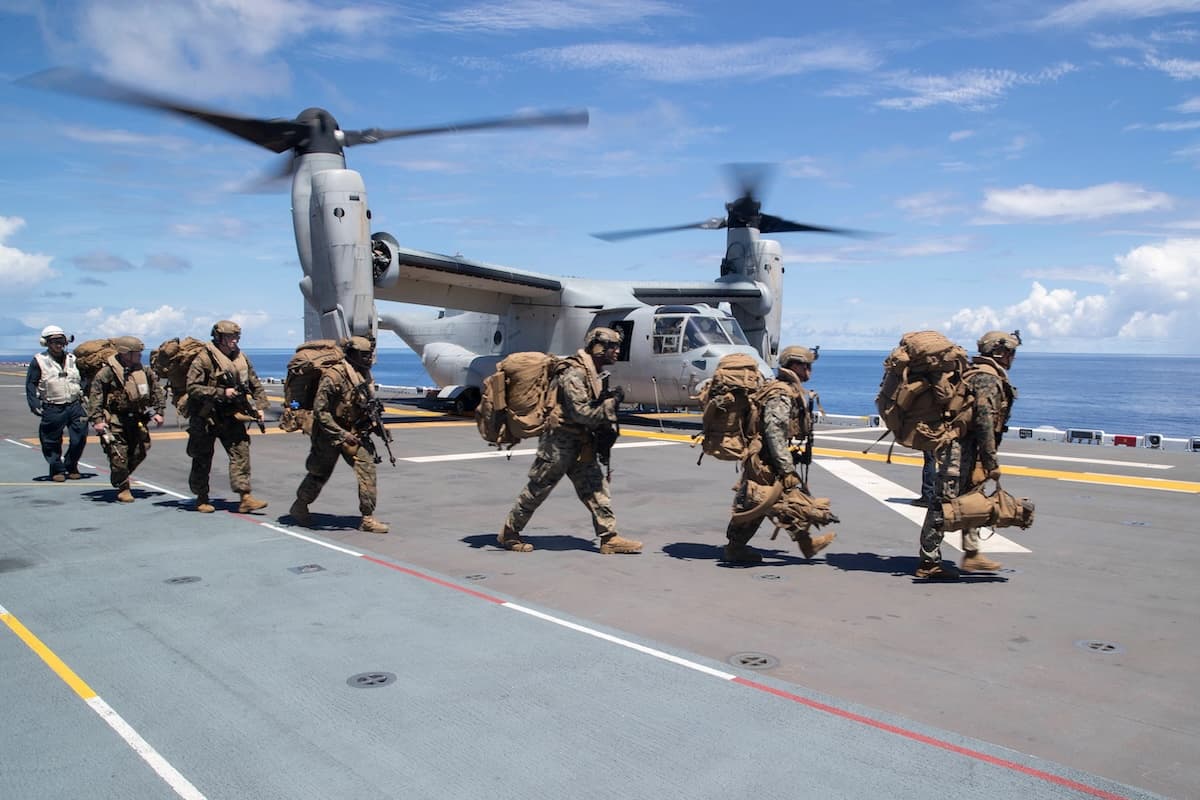
The dispatched force is built around the USS Tripoli and the 31st Marine Expeditionary Unit, a self-contained amphibious capability that can tailor aviation, ground and logistical elements to missions ranging from strikes to evacuations.
Reporting and analysis describe the Tripoli Amphibious Ready Group as comprising the aviation‑focused USS Tripoli and transport ships such as USS New Orleans and USS San Diego, with an embarked MEU that includes a battalion landing team, aviation combat elements (including F‑35s and MV‑22 Ospreys), and logistics and support units.
Why redeployed now
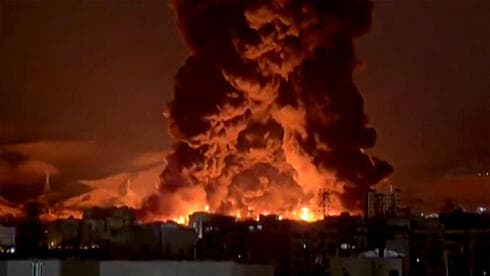
The immediate driver for the redeployment is Iran’s campaign of missile, drone and other attacks that have effectively choked traffic through the Strait of Hormuz, prompting concerns about global energy supplies and shipping.
Coverage cites repeated Iranian actions against commercial vessels and military targets in and around the strait and notes that disruptions have helped push oil prices higher and spurred discussions of escorting tankers.
U.S. statements & rhetoric
Senior U.S. officials framed the move as expanding military options while delivering blunt public rhetoric about the campaign’s aims.
Defense Secretary Pete Hegseth and other administration figures have touted large numbers of strikes and degrading Iranian capabilities, while President Trump used combative language promising heavy retaliation and saying the regime was being “totally” or “completely” destroyed.

Risks and implications
Analysts and alternative outlets warned the reinforcement increases the risk of wider escalation and highlighted political and operational trade‑offs:
“Dan Caine said that U”
the MEU adds options such as evacuations, escorts for merchant shipping and limited raids, but critics say moving large numbers of troops makes a broader ground commitment more likely and could be seen as a major escalation domestically and regionally.
More on Iran
US Bombs Military Sites on Iran's Kharg Island
10 sources compared

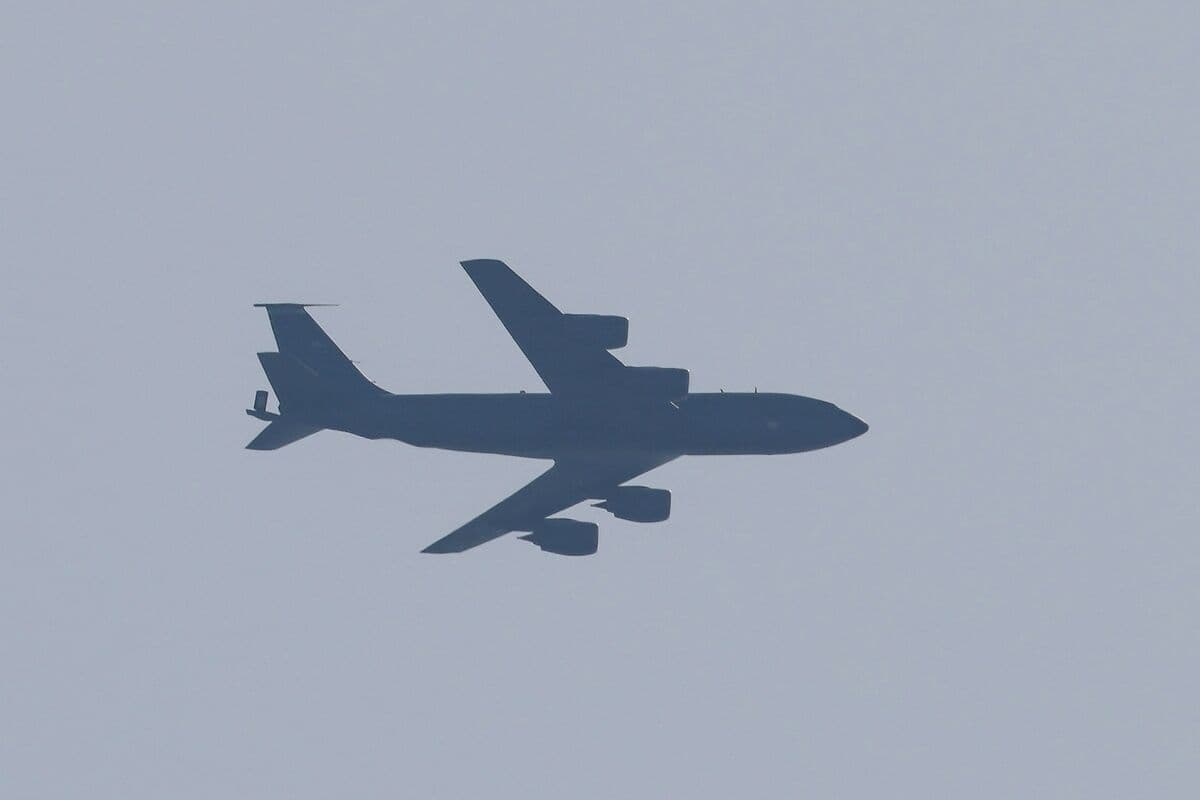
US KC-135 crashes in western Iraq; six crew members killed, CENTCOM says
25 sources compared
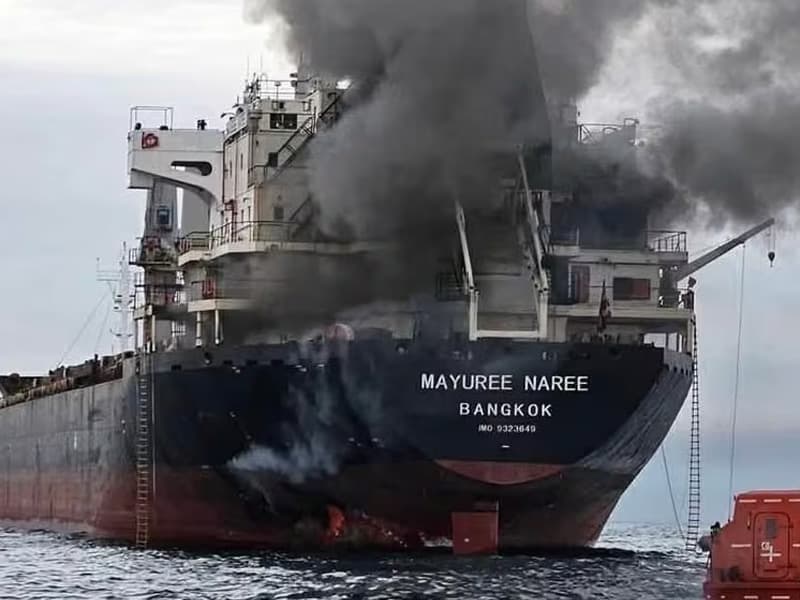
Iran Closes Strait of Hormuz, Chokes Global Shipping and Pushes U.S. Retail Prices Higher
41 sources compared
President Donald Trump Orders US Bombing of Iran's Kharg Island, Says Targets 'Totally Obliterated'
18 sources compared