
US Air Force KC-135 crashes in western Iraq, six airmen killed
Key Takeaways
- All six crew members aboard the KC-135 were confirmed dead.
- The KC-135 crashed in western Iraq; CENTCOM says not due to hostile or friendly fire.
- Investigators probe a midair collision between the KC-135 and another aircraft.
Crash Incident
A U.S. Air Force KC-135 Stratotanker crashed in western Iraq on March 12, 2026, resulting in the deaths of all six crew members aboard.
“Mar 13, 2026Olympic figure skater Alysa Liu receives key to Oakland Mar 13, 2026New details show Live Nation employees mocked ticket buyers Mar 13, 2026Lawsuit claims protein bar maker misled customers Mar 13, 2026Princess Kate reveals lifestyle changes Mar 13, 2026New concern for Britney Spears after arrest on suspected DUI Mar 13, 2026 ABC News Live Presents ABC News Live Presents My Reality: The American Dream Feb 23, 2026AI: The Next Chapter Feb 06, 2026All Access with Linsey Davis: Stephen A”
The incident occurred during Operation Epic Fury, the ongoing military campaign against Iran, in what U.S. Central Command described as 'friendly airspace.'

CENTCOM confirmed that two aircraft were involved in the incident, with one going down in western Iraq while the second landed safely.
Military officials explicitly stated that the crash was 'not due to hostile fire or friendly fire,' ruling out enemy engagement or accidental downing by allied air defenses.
The crash brings the total number of U.S. service members killed in the Iran conflict to at least 13, with seven of those deaths occurring in combat operations.
Aircraft Details
The KC-135 Stratotanker involved in the crash is a Boeing-designed aerial refueling aircraft that has been in service for over 60 years, making it one of the oldest airframes in the U.S. Air Force inventory.
These tankers are used to extend the range and endurance of fighter jets, bombers, and surveillance aircraft by providing mid-air refueling capabilities.
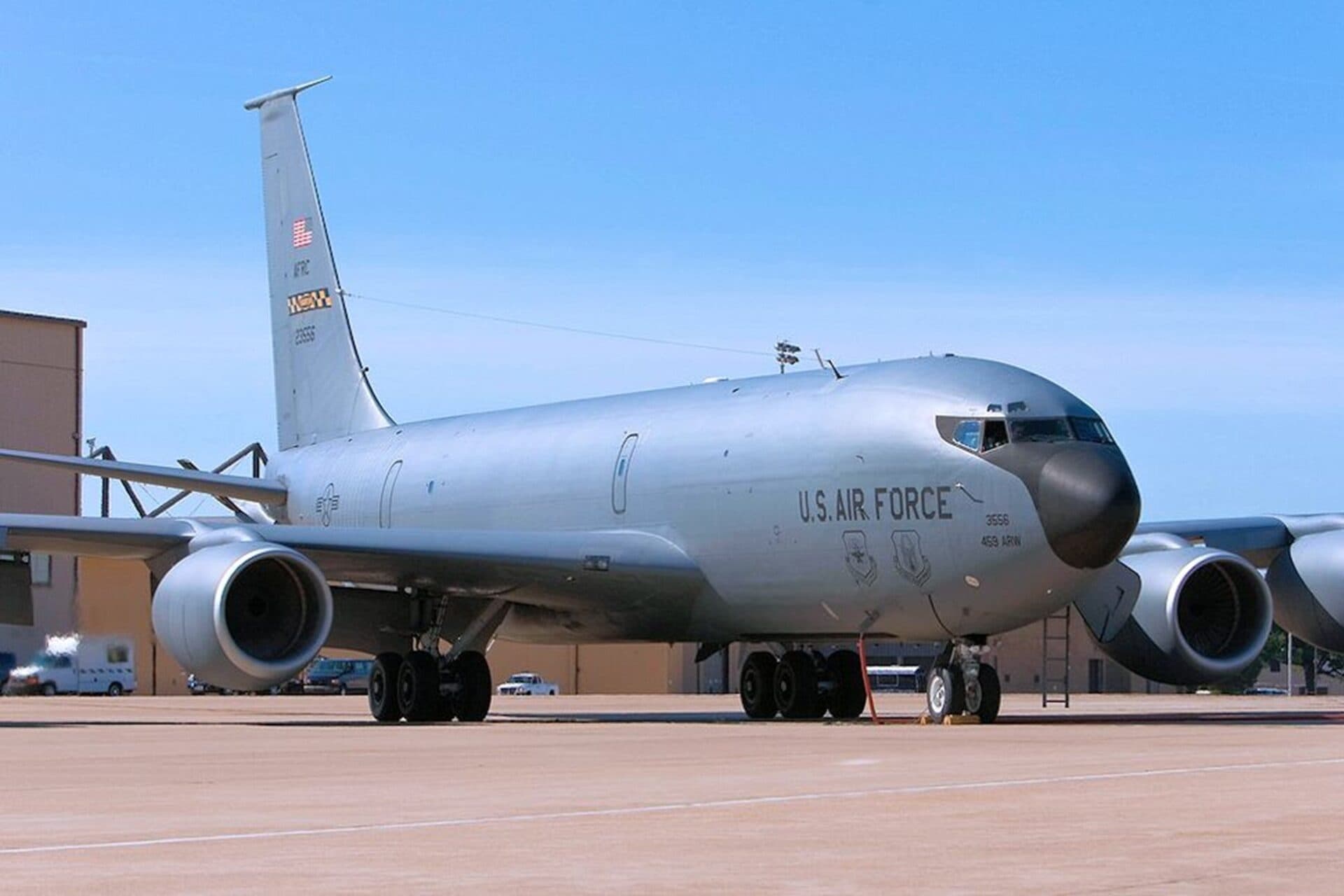
The aircraft has a range of up to 1,500 miles with about 150,000 pounds of transfer fuel capacity.
According to the Congressional Research Service, the Air Force currently has 376 KC-135 aircraft, with 151 on active duty, 163 in the Air National Guard, and 62 in the Air Force Reserve.
Despite upgrades over the years, the age of the KC-135 fleet has raised concerns about reliability and durability, as the military gradually transitions to the newer KC-46A Pegasus tankers.
Military Context
This crash represents the fourth publicly acknowledged U.S. aircraft loss during Operation Epic Fury, which began in late February 2026.
“A KC-135 crash in western Iraq after an apparent midair collision has killed six US Airmen, US Central Command (CENTCOM) confirmed Friday”
The incident occurred amid escalating tensions in the Middle East, with U.S. forces having hit about 6,000 targets inside Iran and sunk or damaged more than 90 Iranian vessels, including over 30 mine-laying boats.
Previous aircraft losses during the conflict include three F-15E Strike Eagles mistakenly shot down by Kuwaiti F/A-18s in a friendly fire incident, though all six pilots ejected safely.
The KC-135 crash marks the first fatalities for the Air Force in the conflict, with the previous seven U.S. service member deaths including six Army Reserve troops killed in an Iranian drone strike on a U.S. base in Kuwait and one service member who died from wounds sustained in an attack on Prince Sultan Air Base in Saudi Arabia.
Investigation Details
Investigators are actively working to determine the cause of the crash, though early assessments suggest a midair collision may have played a role.
Flight-tracking data shows a KC-135 returning to Ben Gurion Airport after broadcasting an emergency code, and photographs circulating online show a damaged USAF Boeing KC-135R Stratotanker with part of its vertical stabilizer missing.

Israeli ambassador to the US Yechiel Leiter confirmed that the surviving aircraft landed safely in Israel.
Air-to-air refueling operations are routine but require precise coordination between aircraft flying in close proximity at high altitude.
While mishaps are rare, the last fatal KC-135 crash occurred on May 3, 2013, when a KC-135R crashed after takeoff from Manas Air Base in Kyrgyzstan, killing all three crew members due to rudder malfunctions that caused the tail section to break away midair.
Crew Impact
The six deceased airmen have not yet been publicly identified by the military, as standard procedures require withholding names until 24 hours after next-of-kin notifications are completed.
“— CNBC's Sam Meredith and Holly Ellyatt contributed to this report”
The crew members were serving on a combat mission within U.S. Central Command's area of responsibility when the tragedy occurred.

Military officials have expressed condolences and promised to honor the fallen airmen, with Defense Secretary Pete Hegseth calling them 'heroes' during a briefing after the incident.
The dignified transfer of remains is expected to take place at Dover Air Force Base, similar to the ceremonies held for the previous seven service members killed in the Iran conflict.
This incident has reignited discussions about the age and reliability of the KC-135 fleet, which averages over 60 years old, as the military continues its gradual transition to the newer KC-46A Pegasus tankers.
More on USA

Judge James Boasberg Blocks DOJ Criminal Probe of Federal Reserve, Deems It Trump Pressure Campaign
15 sources compared

Pentagon Deploys Marines and USS Tripoli to Middle East After Iran Blocks Strait of Hormuz
22 sources compared
FBI Warns of Iranian Drone Plot Based on Unverified Tip; California Says No Credible Threat
10 sources compared

White House Demands ABC Retract Report Claiming Iran Sought To Launch Drone Attacks On California
11 sources compared