
U.S. Deports About 15 Latin American Migrants to Democratic Republic of Congo
Key Takeaways
- DR Congo will receive third-country deportees from the United States under a new deal.
- About 15 Latin American migrants arrived in Kinshasa as part of the agreement.
- Deportees will be housed temporarily in Kinshasa with no clear long-term plan.
Deportations to Kinshasa
The United States deported about 15 migrants from Latin America to the Democratic Republic of Congo, with the group arriving in Kinshasa, the capital, on Friday morning, according to a lawyer for the deportees.
The arrivals were confirmed by an official at the Congolese migration agency, which “confirmed the arrivals but didn’t provide details,” as reported by the Associated Press.
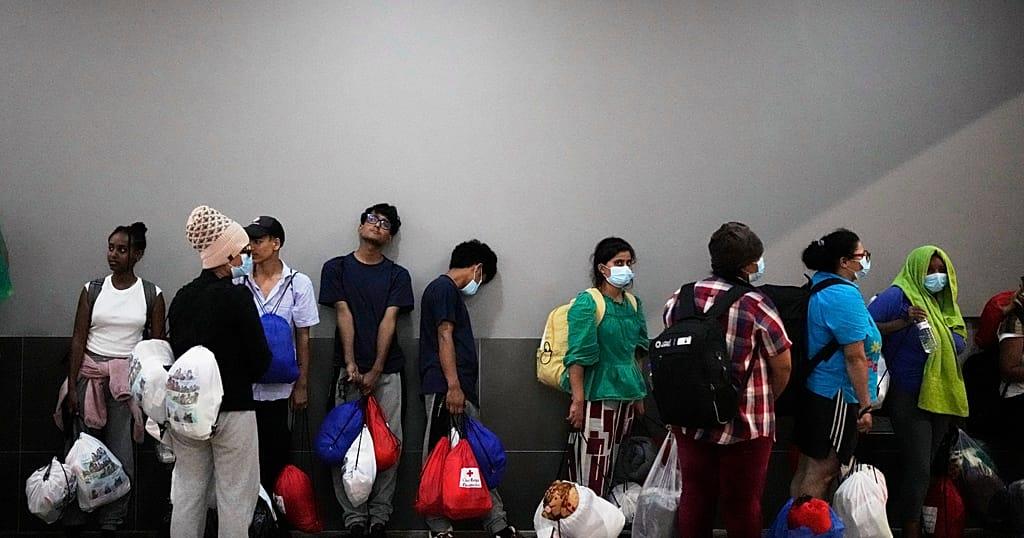
U.S. attorney Alma David, who represents one of the affected people, told AP that the Congolese government plans to keep the deportees in the country for a short time, and that “the Congolese government plans to keep them in the country for a short period.”
Multiple outlets described the deportees as “all from Latin America,” and said they were housed in a hotel in Kinshasa.
PBS, citing AP, said the deportees “are believed to be staying at a hotel in Kinshasa,” while the Batesville Daily Guard also reported they were staying at a hotel in Kinshasa.
The International Organization for Migration was described as being involved to offer “assisted voluntary return,” with David telling AP that IOM would be involved.
In the same reporting, the Congolese Ministry of Communications described the arrangement as “temporary” and said it would reflect Congo’s “commitment to human dignity and international solidarity.”
Legal protection and costs
The reporting emphasized that the deportees were believed to have legal protection from U.S. judges shielding them against being returned to their home countries.
PBS said, “All the deportees are believed to have legal protection from U.S. judges shielding them against being returned to their home countries,” while the Batesville Daily Guard similarly stated that “All the deportees are believed to have legal protection from U.S. judges shielding them against being returned to their home countries.”

David also described the deportees as having protection from removal to their home countries, and DIE WELT reported that “All those affected, according to David, received protection from U.S. courts against removal to their home countries.”
The International Organization for Migration’s role was described as humanitarian assistance “at the request of the Congolese government,” with the Batesville Daily Guard quoting an IOM spokesperson saying the organization was providing humanitarian assistance.
The same AP-based reporting described IOM’s “assisted voluntary return” as “strictly voluntary and based on free, prior and informed consent,” a phrase included in the Batesville Daily Guard.
On the cost side, the Congolese Ministry of Communications said the government would incur no costs because “the United States would cover the necessary logistics,” as described by DIE WELT.
PBS also quoted the Congolese statement saying the arrangement would come with “zero costs to the government with the U.S. covering the needed logistics,” and said “no automatic transfer of the deportees is planned.”
The Congolese statement added that “Each situation will be subject to individual review in accordance with the laws of the Republic and national security requirements,” according to PBS and the Batesville Daily Guard.
Criticism over “voluntary” return
While the deportation arrangement was described as temporary and linked to court protections, U.S. attorney Alma David criticized the framing of “voluntary” return after the deportees spent time in U.S. immigration detention.
“Fifteen people who were deported from the United States have arrived in the Democratic Republic of Congo (DRC)”
The Batesville Daily Guard quoted David saying, “The fact that the focus is on offering them ‘voluntary’ return to their home country when they spent months in immigration detention in the U.S. fighting hard to not have to go home is very alarming,” and PBS included the same quote.
PBS also reported that the IOM “didn't immediately respond to AP's request for comment,” even as it said IOM would be involved to offer “assisted voluntary return.”
DIE WELT described IOM’s position as aiding deportees “at the request of the Congolese government,” and said the organization was considering support for voluntary return that “must be based on informed consent.”
The reporting also placed the Kinshasa arrivals within a broader U.S. policy of using agreements with African countries to accelerate removals, with DIE WELT saying the U.S. government under President Donald Trump has signed agreements with African countries to speed up deportations.
Al Jazeera added that the DRC Ministry of Communications announced earlier this month it would temporarily accept migrants deported from the U.S., and said Washington would cover the costs involved and that facilities had been prepared near Kinshasa.
The same Al Jazeera report said Reuters had reported the DRC was set to receive more than 30 deportees this week, and that other migrants were expected to arrive in groups of about 50 a month.
In addition, Al Jazeera reported that the Trump administration is thought to have spent at least $40m to deport about 300 migrants to third countries up to the end of January, citing a report compiled by Democrats on the U.S. Senate Foreign Relations Committee.
Numbers and timelines diverge
The reporting on the Kinshasa arrivals consistently described “around 15” deportees, but other figures in the same coverage pointed to larger flows and different expectations for the week.
Al Jazeera said “Fifteen people who were deported from the United States have arrived in the Democratic Republic of Congo (DRC),” and described the group as landing “overnight Thursday to Friday.”

PBS and the Batesville Daily Guard both described “Around 15 people deported from the United States landed in Congo’s capital Kinshasa in the early hours of Friday,” and the Batesville Daily Guard said “Around 15 people deported from the United States landed in Congo’s capital Kinshasa early Friday.”
At the same time, Al Jazeera reported that Reuters had said the DRC was set to receive “more than 30 deportees this week,” and that other migrants were expected to arrive in groups of “about 50 a month.”
DIE WELT also framed the U.S. deportations as part of a broader set of agreements, saying the United States has such deportation agreements with “at least seven other African countries.”
The same AP-based reporting described the U.S. spending as “at least $40 million to deport about 300 migrants to countries other than their own,” according to the Batesville Daily Guard and PBS.
In addition, the Al Jazeera report said countries had received lump sums ranging from “$4.7m to $7.5m” to receive deportees, and said the AP reported “47 other third-country agreements are currently being negotiated.”
A separate Reuters-and-AP based report in Hiiraan Online said the DRC would begin receiving deportees “this month” and that the Congolese Ministry of Communications statement did not provide further details on “the number of arrivals expected.”
Rights debate and next steps
The deportations to Kinshasa were presented alongside criticism from rights groups and legal experts about the legality of sending deportees to countries where they are not nationals.
Al Jazeera said the U.S. policy has drawn criticism from rights groups over “the legality of sending deportees to countries where they are not from and could face human rights violations,” and it described cases where deportees were later sent back to their home countries despite court protections.
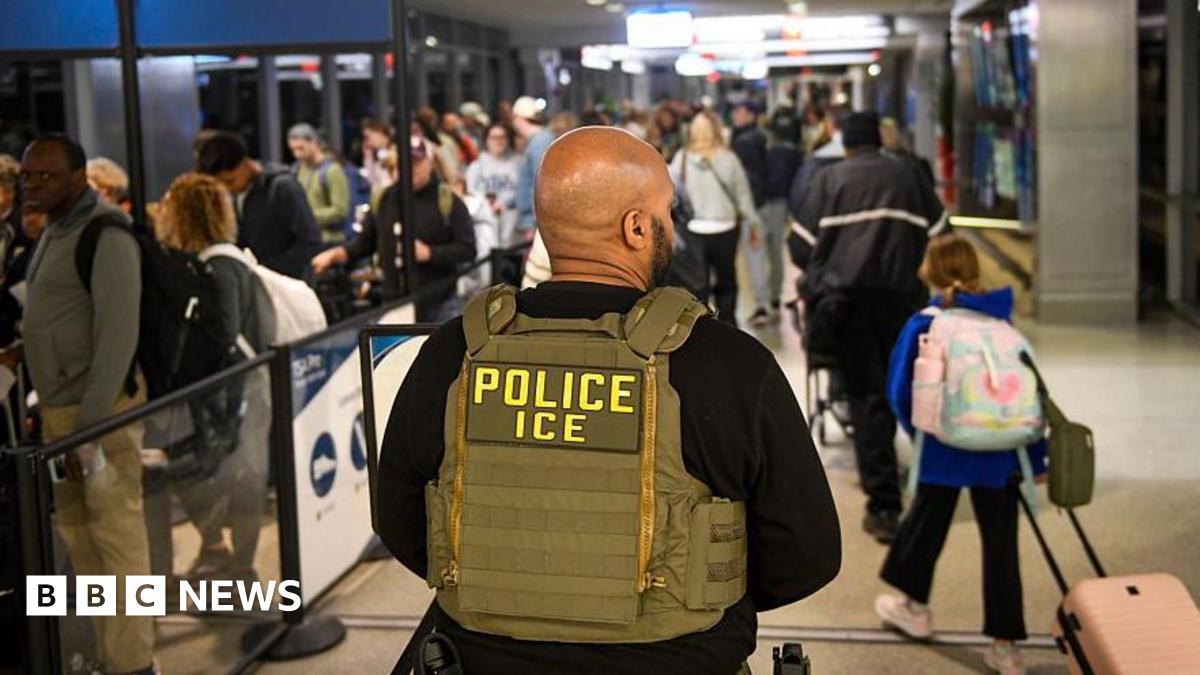
The same Al Jazeera report said the Trump administration is thought to have spent at least $40m to deport about 300 migrants to third countries up to the end of January, and it described the existence of “47 other third-country agreements.”
In Hiiraan Online’s Reuters-and-AP reporting, legal experts and rights groups criticized third-country agreements over “the legal basis for the transfers and the treatment of deportees sent to countries where they are not nationals,” and it cited a statement by Uganda Law Society vice president Asiimwe Anthony.
Anthony said, “Our perspective of the matter is broader than a single act of deportation. We view it as but one gust from the ill winds of transnational repression that are blowing across our world,” and he added that the development was “reminiscent of a dark past that the global family of humanity supposedly put behind itself.”
The same Reuters-and-AP reporting quoted the U.S. Committee for Refugees and Immigrants describing third-country deportations as “systematically pursued” since February 2025, and said that “Individuals subject to third-country deportation typically have no choice in where they are sent.”
Looking ahead, Al Jazeera said the DRC Ministry of Communications announced earlier this month it would temporarily accept migrants deported from the U.S., and that facilities had been prepared near Kinshasa to accommodate them.
It also reported that the International Organization for Migration said the DRC asked it for humanitarian assistance, and that IOM may offer “assisted voluntary return” in line with its mandate and applicable legal frameworks.
The immediate operational next step described in the AP-based reporting was that deportees would be housed in a hotel in Kinshasa while IOM offered “assisted voluntary return,” and that each case would be reviewed individually under Congolese law and national security requirements.
More on USA
Donald Trump Sends U.S. Delegation to Pakistan for Iran Talks, Threatens Power Plants and Bridges
47 sources compared

Shooting Near University of Iowa Campus Leaves Five Injured, Including Three Students
22 sources compared

United Flight 2092 Diverted to Pittsburgh After Crew Reported Possible Security Issue
12 sources compared

Pope Leo XIV Defuses Tensions With Donald Trump During Africa Tour
20 sources compared