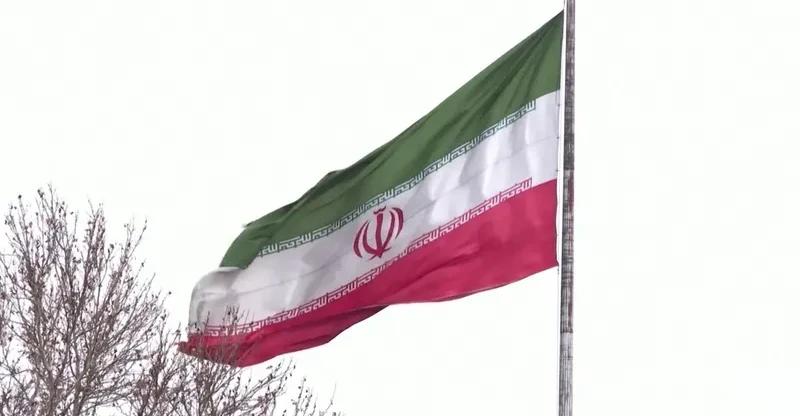
US Begins Naval Blockade of Iranian Ports, Iran Threatens Gulf Port Attacks
Key Takeaways
- The United States begins enforcing a blockade of Iranian ports on Monday.
- Islamabad ceasefire talks with Iran ended without agreement after about 21 hours.
- Iran warns Gulf ports will be unsafe if Iranian ports are blocked.
US Naval Blockade
The United States began enforcing a naval blockade of all maritime traffic entering and leaving Iranian ports on April 13, 2026.
CENTCOM stated the blockade would be applied impartially to ships from all countries entering or leaving Iranian ports and coastal areas.

The blockade would not impede freedom of navigation for vessels transiting the Strait of Hormuz to and from non-Iranian ports.
The move was designed to starve Iran of funding by preventing oil exports, which account for about 20% of global oil supplies.
Oil prices surged above $100 a barrel as the market reacted to the blockade.
The blockade represented a major escalation in the conflict, coming just days after a ceasefire was announced and then collapsed.
Iran's Military Response
Iran's military denounced the US blockade as illegal and an act of piracy.
The Khatam al-Anbiya Central Headquarters declared that security in the Gulf and Sea of Oman was either for everyone or for none.

Iranian Navy commander Admiral Shahram Irani dismissed the American threat as ridiculous.
The Islamic Revolutionary Guard Corps warned that any military vessel attempting to approach the Strait of Hormuz will be dealt with firmly and decisively.
Iranian parliament speaker Mohammad Bagher Qalibaf said, If you fight, we will fight.
The blockade came after 21 hours of marathon talks in Islamabad ended without an agreement.
Global Economic Impact
The blockade sent shockwaves through global markets.
Oil prices jumped more than 8% to $104.40 a barrel for U.S. crude.
The International Energy Agency called the disruption the worst energy shock the world has ever seen.
Analysts warned that clearing the backlog could take weeks even after a resolution.
The blockade also risked drawing China into the confrontation.
British Prime Minister Keir Starmer said Britain would not be part of the blockade.
Operational Challenges
The US military had not provided many operational details about enforcement.
Experts said it was unlikely the US would fire weapons at ships due to environmental risks.

Shipping data showed oil tankers avoiding the Strait of Hormuz before the blockade.
Former Pentagon official Dana Stroul said carrying out the mission alone is extremely difficult.
Harvard Law professor James Kraska explained the right of visit and inspection.
More on Iran
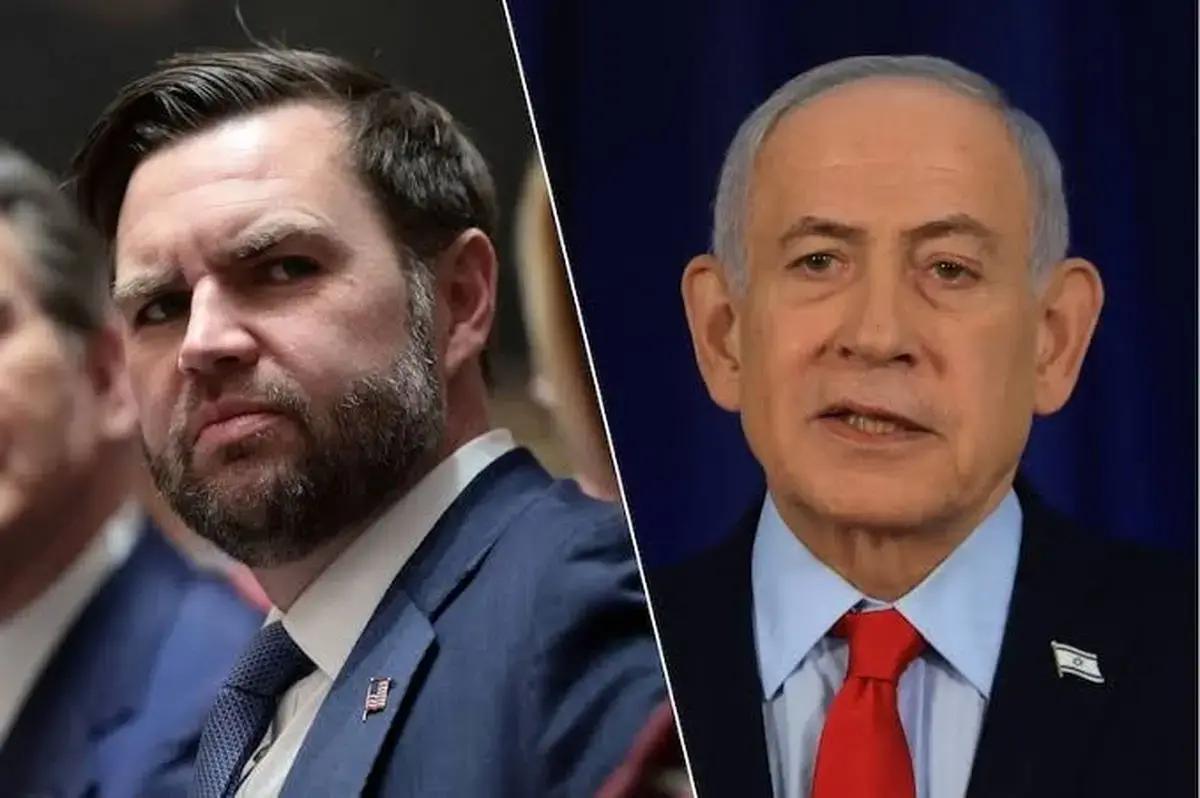
US Threatens Strait of Hormuz Blockade After Iran Rejects Nuclear Deal in Islamabad Talks
12 sources compared

Trump Orders Immediate U.S. Naval Blockade of Strait of Hormuz After Failed Iran Talks
12 sources compared
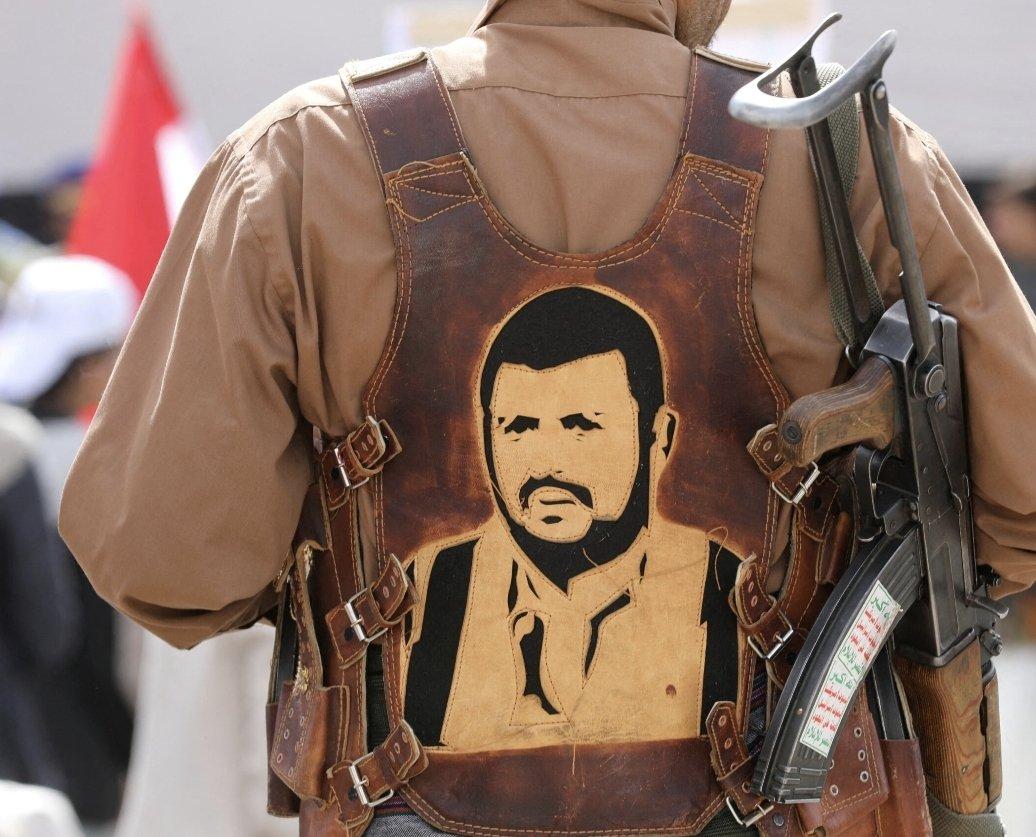
US Blocks Strait of Hormuz After Iran Peace Talks Fail in Islamabad
56 sources compared

US and Iran Fail to Reach Peace Deal After 21 Hours of Talks in Pakistan
28 sources compared