Iran13 April, 20262 min read
Trump Orders Immediate U.S. Naval Blockade of Strait of Hormuz After Failed Iran Talks
This article is an automated aggregation of coverage from news outlets. Our editorials offer in-depth analysis curated by the NewsCord team.
Trump orders naval blockade of the Strait of Hormuz after Islamabad talks fail. Talks in Islamabad collapsed without a deal, prompting Washington to escalate pressure.

Talks Collapse
After more than 21 hours of negotiations in Islamabad, U.S.-Iran talks ended without an agreement. Vice President JD Vance told reporters that Washington had presented its final and best offer but Iran chose not to accept our conditions. Trump announced an immediate naval blockade of the Strait of Hormuz.
The nuclear program remained the core sticking point. The talks collapsed despite a cordial atmosphere between the delegations.

Blockade and Escalation
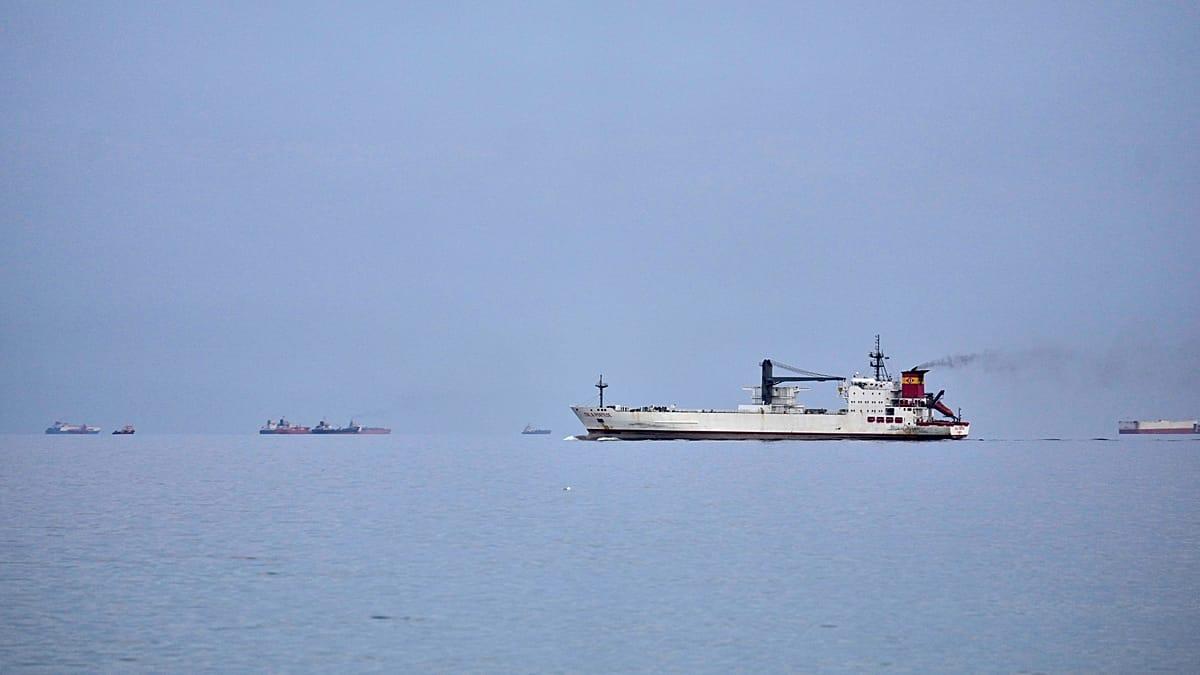
Trump's announcement marked a sharp escalation from diplomacy to field pressure. The blockade targeted one of the world's most critical oil transit routes. CENTCOM said it would enforce the blockade impartially against vessels of all nations entering or leaving Iranian ports.
Trump also instructed the Navy to interdict every vessel in international waters that had paid a toll to Iran. The move introduced a new phase of confrontation.
Iranian Response
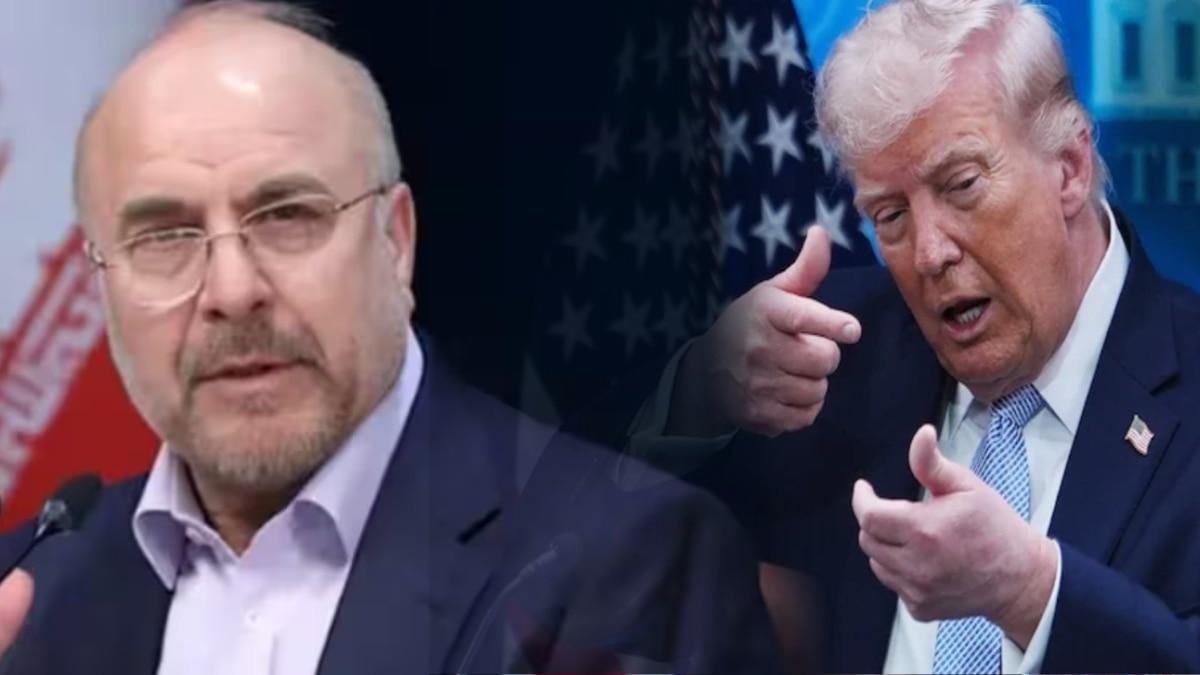
Iranian officials accused Washington of attempting to secure through diplomacy what it could not achieve militarily. The IRGC warned any naval approach to the Strait of Hormuz would be considered a violation of the ceasefire. Parliamentary speaker Ghalibaf said the US had failed to build trust despite constructive initiatives.
Former foreign minister Zarif cautioned that negotiations cannot succeed if one side imposes unilateral terms. The Islamic Republic stated the Strait of Hormuz was open for safe passage of civilian ships.
Regional and Global Impact
The blockade came amid a broader regional conflict that had already killed thousands.
The Strait of Hormuz serves as a critical chokepoint for global oil supply.
Australian Foreign Minister Penny Wong called it disappointing that the talks did not result in a deal.
The Guardian reported Australian officials expressed concern about disruption to global trade.
The New York Times noted U.S. Navy destroyers had begun mine-clearing operations.
American Political Reaction
GOP Senator Ron Johnson said securing U.S. goals in Iran could be a long-term project. He emphasized the need to remove Iran's enriched uranium stockpile. Johnson raised the possibility of blocking oil from going to China or Russia.
Trump told reporters he did not care if the U.S. made a deal with Iran. The fate of the war remained uncertain.