Iran29 August, 20263 min read
Germany Urges Trump To End U.S.-Israel War Against Iran After Six Months
This article is an automated aggregation of coverage from news outlets. Our editorials offer in-depth analysis curated by the NewsCord team.
Germany urges Trump to end Iran war, calling it irresponsible and economically destabilizing. Six months into the conflict, no clear end, Hormuz disruptions and market volatility persist.
AP News was read line by line by the Watchdog: 3.4. See the score →
Six months, no end
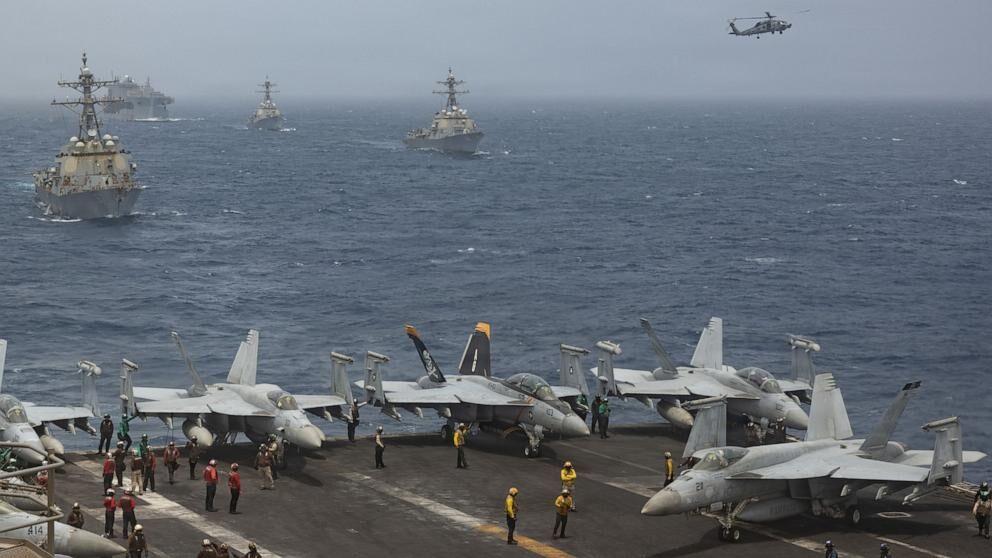
President Donald Trump’s U.S.-Israel war against Iran reached its six-month mark on Friday after the conflict began on Feb. 28, when the U.S. and Israel launched strikes that took out much of Iran’s leadership and damaged key Iranian military sites.
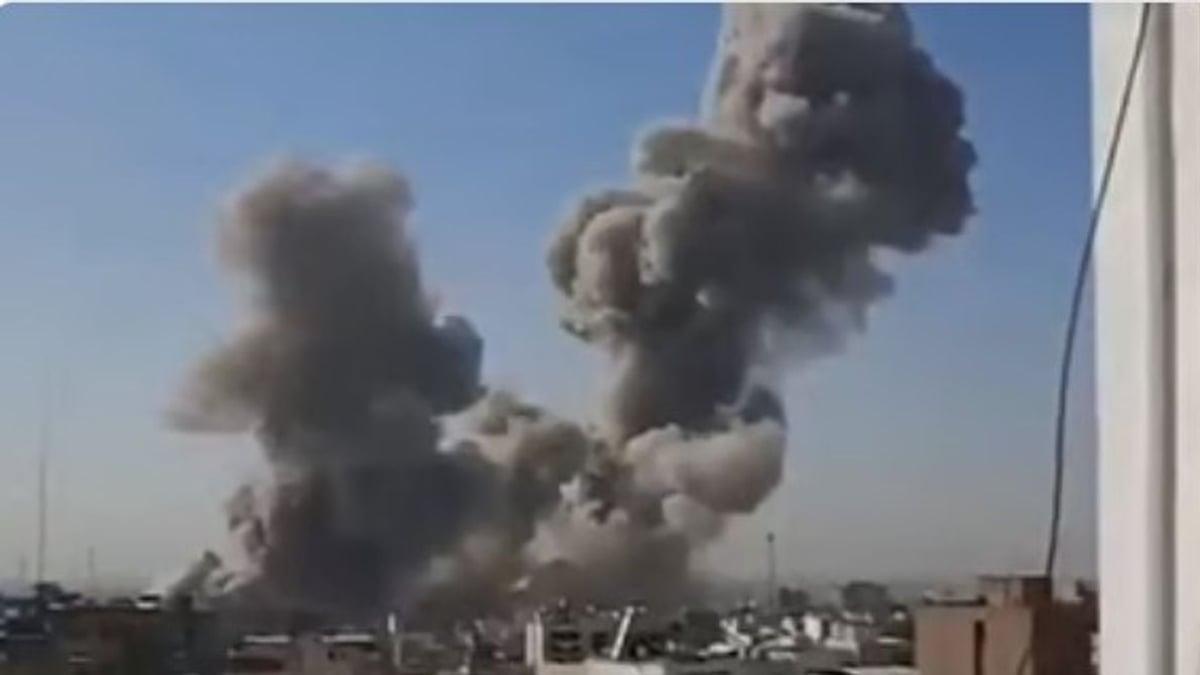
In the opening days, an airstrike on an all-girls school in southern Iran killed roughly 160 civilians, including 120 schoolchildren, and U.S. Central Command said it is investigating the bombing while stating the U.S. will "never" target civilians.

ABC News said U.S. Central Command has hit more than 13,000 Iranian targets, but the war’s economic centerpiece has been the Strait of Hormuz, where Iran shut down commercial traffic and turned the waterway into a central front.
ABC News also reported that since the start of the war, 18 U.S. service members have died and more than 750 have been wounded, while global oil prices are up about 25% and the average gallon of gas nationwide hovers over $4.
The immediate political context is that Germany’s Lars Klingbeil urged Trump to end his "irresponsible" war with Iran ahead of next week’s G20 finance summit in the United States, warning it fuels global economic uncertainty and drives up borrowing costs.
Sanctions replace strikes
As the conflict drags on, the U.S. administration said it would focus on increasing economic pressure on Tehran rather than military action, by threatening to sanction any country or entity that continues to do business with Iran. Associated Press reported Trump stressed this week that he is "not in a hurry" to get Iran back to the negotiating table, even as the administration weighs diminished munitions stockpiles and concerns about readiness in other parts of the world. AP also said Trump declared Thursday that the "Strait of Hormuz is open," with 24 vessels passing through a day earlier, a fraction of the roughly 130 vessels that passed through daily before the war began.
In parallel, Reuters framed the six-month stretch as a dilemma because Iran has not surrendered and Red Sea traffic through the Hormuz Strait continues to experience sharp disruptions, with no clear path to ending the conflict Trump predicted would end within four weeks. Allison Minor, a former National Security Council director for Arabian Peninsula affairs, told ABC that "the conflict is settling into a war of attrition and prospects for a negotiated settlement are bleak," describing how both sides think time is on their side.
Costs and regional risks
The six-month toll includes U.S. spending and military strain, with AP saying the war has already cost the United States more than $37.5 billion and ABC News reporting the Defense Department’s latest estimate for the cost of the war is more than $37.5 billion.
Reuters reported that a May report from the Congressional Research Service said 42 American military aircraft were lost in the conflict, while ABC News said the U.S. has hit more than 13,000 Iranian targets and Iran has expanded the war to several Gulf states.
The consequences extend beyond the battlefield as Associated Press reported the U.S. Army’s stocks of missile systems in Europe, led by Patriot air defense missiles, have fallen below the "critical level" due to the war on Iran.
AP said the most worrying shortage concerns Patriot missiles, with American forces in Europe lacking sufficient stock to counter a long-range Russian ballistic attack, and it linked the shortage to the U.S.-Israel war on Iran.
In the diplomatic arena, ABC reported that on June 18 the U.S. and Iran signed a memorandum of understanding for 60 days of stopping fighting, but by July 8 Trump declared the ceasefire "over," leaving the Strait of Hormuz and negotiations as the central stakes.