Iranupdated 1h ago2 min read
Russia Supplies Iran Missiles as Iran Rebuilds Missile and Drone Arsenal, Bloomberg Says
This article is an automated aggregation of coverage from news outlets. Our editorials offer in-depth analysis curated by the NewsCord team.
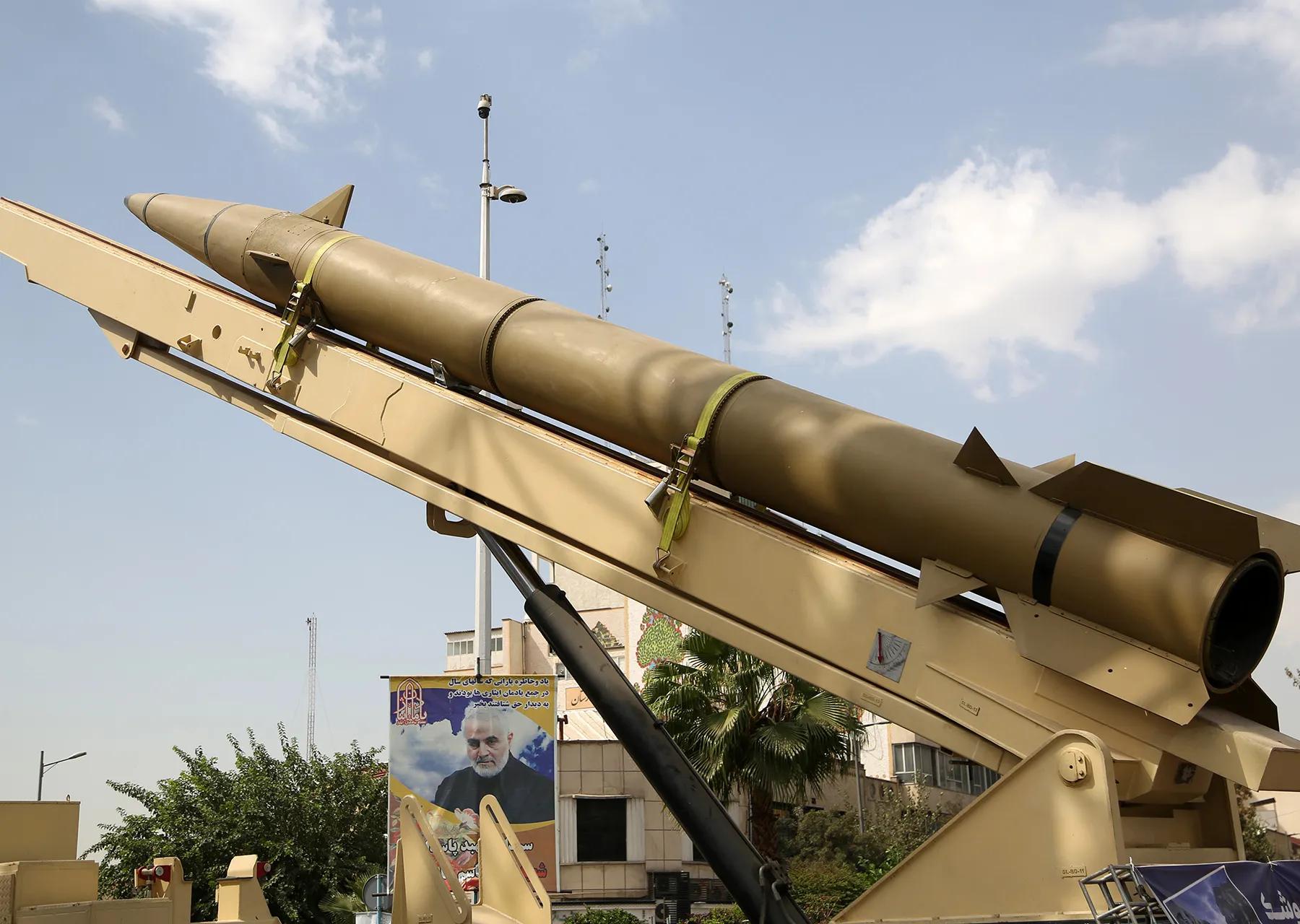
Iran retains missile and drone production capacity despite eight months of US-Israeli strikes Russia has begun supplying missiles to Iran to rebuild Tehran's arsenal
12 outlets told this the same way.
Ynetnews was read line by line by the Watchdog: 3.1. See the score →
Missile factories endure
Bloomberg reported that Iran preserved its factories for producing missiles and drones despite months of American and Israeli bombardment, allowing Tehran to rebuild its military arsenal. Western officials told Bloomberg that Iran remains able to manufacture weapons to compensate for what it has lost, and one official said Iran keeps a large stockpile of ballistic missiles and some anti-ship weapons. Trump pledged on social media not to attack Iran before the upcoming November midterm elections, while the report said Western assessments conflict with repeated statements by Trump and officials in his administration.
The Jerusalem Post said Iran retained the ability to manufacture ballistic missiles and drones despite eight months of US and Israeli airstrikes, and it said Russia has provided missiles to Iran. The White House spokesperson Anna Kelly rejected the Western assessment, saying, “First, President Trump obliterated Iran’s nuclear facilities during Operation Midnight Hammer.”

Numbers and disputed damage
Bloomberg Economics analysis said that since the start of the conflict on February 28, Iran has launched more than 4,000 Shahed propeller-driven cruise missiles and no fewer than 2,000 ballistic missiles. Western intelligence assessments dating back to June indicated that Iran still retained about three-quarters of the ammunition stockpile it possessed before the war, while Israel had estimated Iran’s arsenal before the war at around 2,500 ballistic missiles. Jim Lamson, the former CIA analyst and visiting scholar at King’s College London, said the air campaign likely greatly weakened a large portion of Iran’s ability to manufacture missiles compared with what it was before the war.
The Jerusalem Post said the discrepancy between assessments of Iran’s remaining stockpiles and its manufacturing capacity highlights the difficulty of determining how much military capability Tehran can regenerate. Anna Kelly said, “Then, Operation Epic Fury successfully destroyed the conventional shield that Iran sought to create over a nuclear program, including their ballistic missiles, production facilities, and the navy.”
Strait of Hormuz stakes
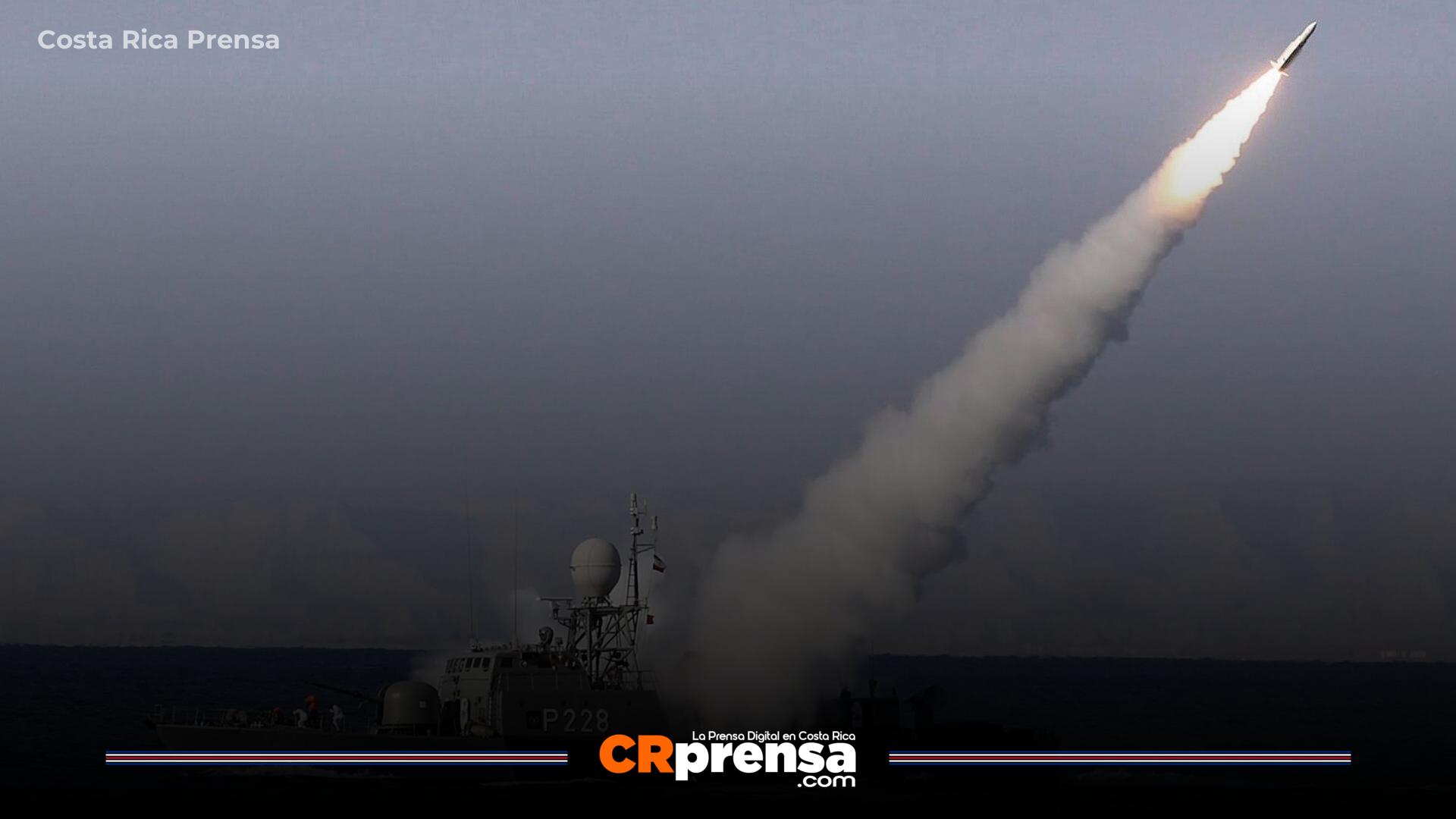
The reports said Iran has intensified attacks on ships around the Strait of Hormuz, with the British Royal Navy reporting at least ten ships were damaged in the past week. Iran International and other accounts tied the missile and drone rebuilding narrative to uncertainty over renewed U.S. strikes, while i24NEWS said Western assessments indicate Tehran can replenish its military stockpile quickly if hostilities resume. Roya News said the United States could resume major combat operations against Iran within the next three weeks, citing officials who discussed a coming three-week window with Eyal Zamir.
The Jerusalem Post said Iran’s continued access to ballistic missiles and anti-ship weapons raises concerns about its ability to retaliate against renewed military action. Al-Jazeera Net reported that Bloomberg’s analysis concluded that a cycle of de-escalation, rearmament, and fighting could prolong the conflict, without either side enjoying a clear upper hand.