Cryptoupdated 1h ago2 min read
National Bank of Kazakhstan, Tether, Alatau City Authority Study Tenge-Pegged Stablecoin And Tokenization
National Bank of Kazakhstan, Tether, and Alatau City Authority sign MoU to study tenge-stablecoin. Parties will explore stablecoin issuance models, asset tokenization, and a pilot proposal for tokenized assets.

Tether studies tenge stablecoin
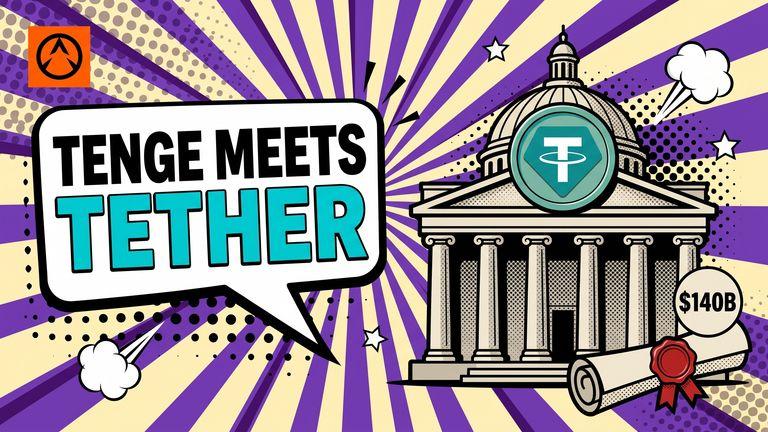
The National Bank of Kazakhstan, Tether and the Alatau City Authority signed a memorandum of understanding on October 7 to study stablecoins, asset tokenization and decentralized finance, with a focus on a potential stablecoin pegged to the Kazakhstani tenge. Tether, the NBK and Alatau planned to examine international stablecoin models, identify potential use cases and prepare a concept and pilot proposal for a token pegged to the tenge, while stating the agreement was exploratory and did not mean Kazakhstan had decided to issue the stablecoin.
Binur Zhalenov, the NBK deputy governor, said, "As part of piloting tokenization projects, we intend to thoroughly study international best practices in stablecoin issuance and real-world asset tokenization," as the parties outlined workshops for central bank staff and other government bodies. Tether CEO Paolo Ardoino framed the effort as a deliberate approach, saying Kazakhstan was taking "a deliberate, forward-looking approach by exploring asset tokenization and a strategic reserve framework."
No launch, workshop scope
The near-term effect for people holding USDT was close to zero, and the memorandum set out what three parties would study rather than committing Kazakhstan to issuing anything. The parties planned to study a local currency-linked stablecoin and tokenized real-world assets, and the agreement did not commit Kazakhstan to issuing a stablecoin or adopting the technology.
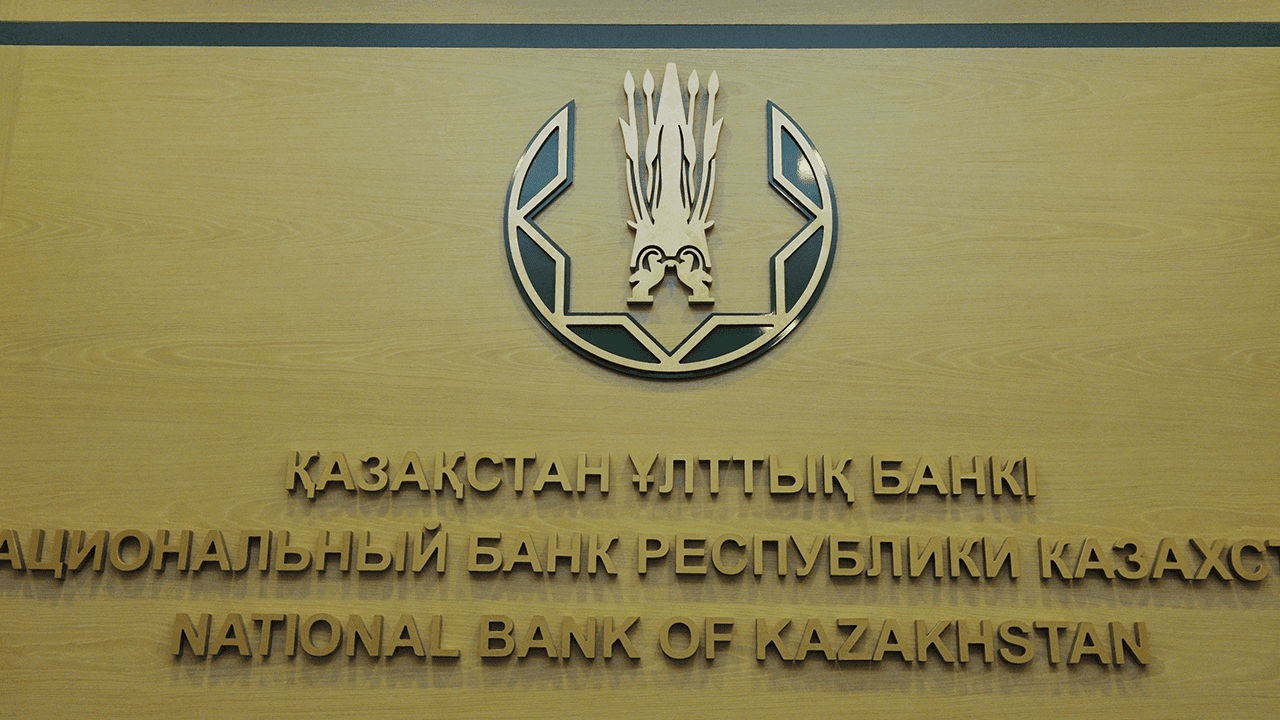
The parties would run workshops on stablecoin reserves, issuance and tokenization for central bank staff and other government agencies, with Binur Zhalenov saying the bank would study international approaches while prioritizing financial stability, transaction transparency and investor protection. CoinDesk added that the parties would run workshops on stablecoin reserves, issuance and tokenization for central bank staff and other government agencies, with Binur Zhalenov saying the bank would study international approaches while prioritizing financial stability, transaction transparency and investor protection.
Alatau testbed and tokenization
The memorandum placed the tokenization pilot in Alatau, where Kazakhstan enacted a constitutional law establishing a special legal regime for the city in May, with major provisions beginning to take effect on July 1. The parties would identify asset classes suitable for tokenization and prepare a pilot within Alatau, and it described the structure as a regulatory and commercial testbed for blockchain-based capital markets before products were considered for wider deployment.
Kazakhstan’s government approved a 65-measure plan across 10 areas aimed at developing the country’s digital asset industry, including measures to expand real-world asset tokenization, digital payments, international settlements and crypto mining. Kazakhstan’s National Strategic Crypto Reserve reached $700 million and 34 digital asset projects had completed testing in the central bank’s regulatory sandbox, as the Tether collaboration added another research track to the broader program.