Crypto07 October, 20262 min read
AI Unmasks Wallet Activity, Zcash Shielded Transactions Keep Sender And Recipient Private
This article is an automated aggregation of coverage from news outlets. Our editorials offer in-depth analysis curated by the NewsCord team.
Zcash shielded transactions address AI-era wallet-linking by keeping sender and recipient private. Approximately 29% of mined ZEC sits in the shielded pool.

8 outlets told this the same way.
AI raises privacy stakes
Crypto’s privacy debate has intensified as AI makes it cheaper to link wallet addresses to the people behind them, and the permanence of the blockchain means records do not age out. Michael Zhao of Grayscale Research argued that AI can unmask older activity because “a transaction from 2019 can be unmasked by software that didn’t exist until 2026.”
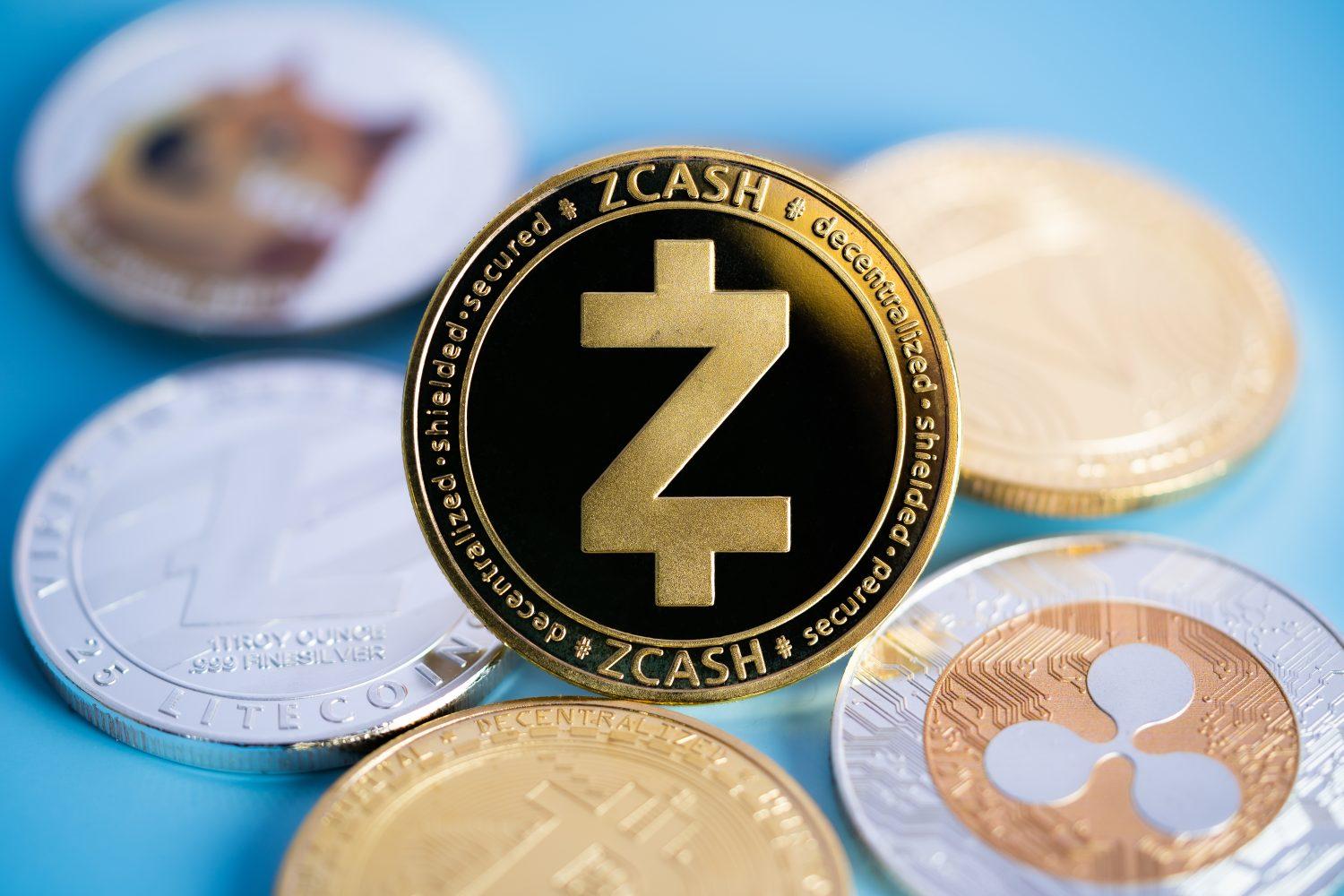
CoinDesk framed Zcash as a privacy-focused alternative that keeps Bitcoin’s core design while adding an option to make transactions private through “shielded” Zcash transactions. Zcash’s shielded transactions allow the network to confirm legitimacy without revealing who sent, who received, or how much was sent, and the article said around 4.9 million Zcash (ZEC) now sit in the shielded pool, close to 29% of all coins ever mined.
Selective disclosure and tools
The Arizona Republic and azcentral described public blockchains as recording every transaction in a permanent ledger that anyone can look up, and it said that openness creates “financial exposure” for traders and businesses. The article said zero-knowledge proofs, and the most common version called a zk-SNARK, let someone prove a fact is true “without revealing the information behind it.”
Zcash’s design, as described in the CoinDesk newsletter, supports both transparent addresses and shielded addresses, and it lets users selectively disclose details to an auditor, regulator, or business partner when needed. CoinDesk also emphasized that disclosure becomes something the user grants selectively rather than something the network forces on everyone by default, and it tied that approach to the idea that privacy means choosing who gets to see financial information.

Policy, custody, and markets
Pretty Good Policy for Zcash (PGPZ) registered for federal lobbying effective October 1, 2026, and it listed executive director Divij Pandya as the registered lobbyist. KuCoin’s report said PGPZ’s filing identifies Zcash ecosystem development, developer protections and financial privacy as key priorities, and it named the Digital Asset Market Clarity Act and the Digital Asset Tax Certainty Act among lobbying issues.
Project Eleven introduced Strongpoint as a flagship custody platform for navigating the transition to post-quantum cryptography, and it said Zcash Foundation joined as an initial development partner to shape Strongpoint’s institutional custody architecture. The Zcash Foundation partnership came with a stated focus on giving institutions a consistent control layer while cryptography evolves, and Project Eleven said Strongpoint targets production deployment in Q4 2026.