Iranupdated 1h ago2 min read
JD Vance Demands Iran Cut Uranium Enrichment Capacity To End War With U.S.
Vance says Iran must make a meaningful reduction in its uranium enrichment to end war US demands include a tangible reduction of enrichment to end the seven-month war
16 outlets told this the same way.
Outlets did split on U.S. Expels Two Iranian UN Delegation Members From New York After Order To Leave →
The Independent was read line by line by the Watchdog: 3.8. See the score →
Vance presses enrichment cuts
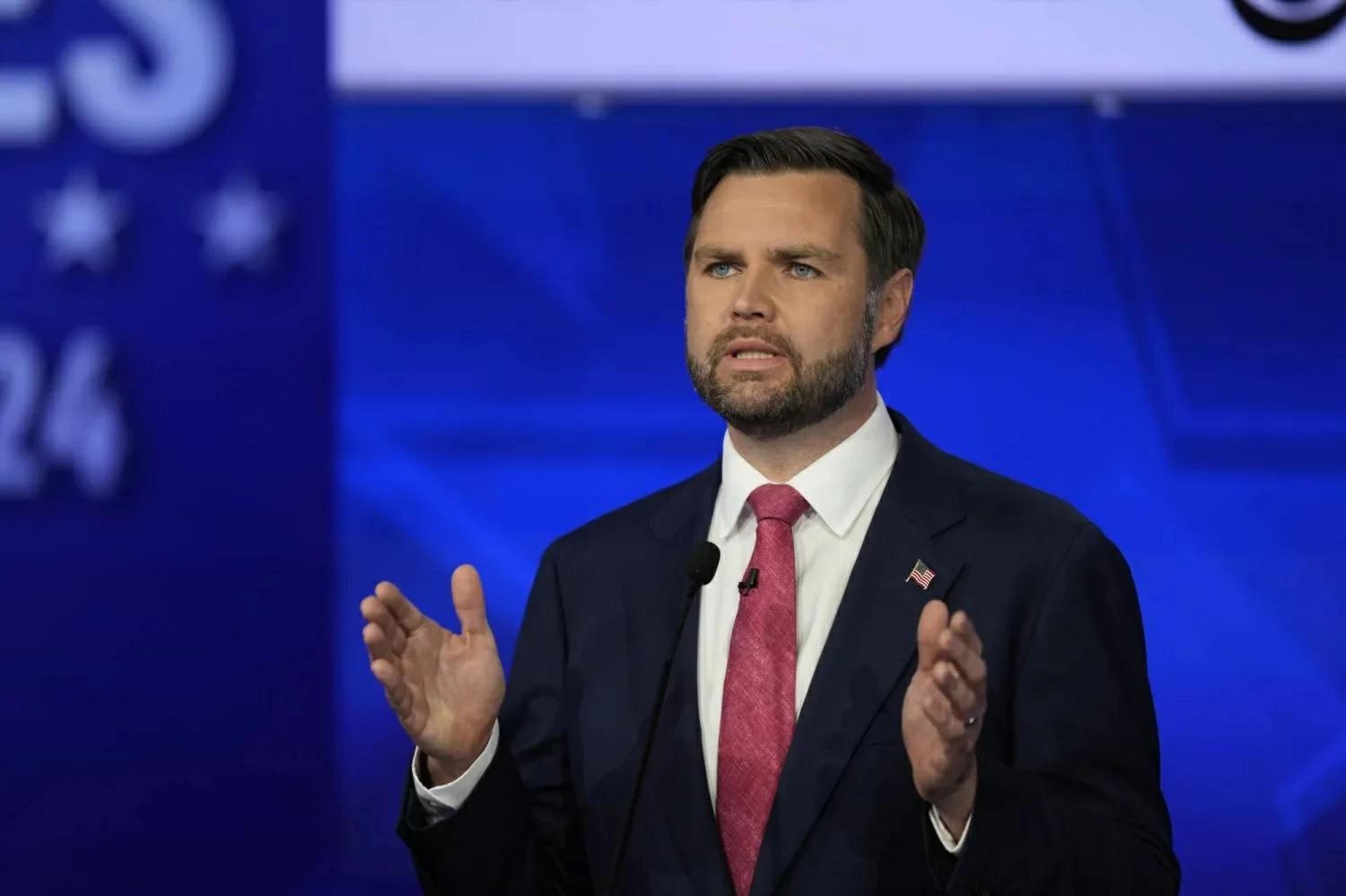
U.S. Vice President JD Vance told Reuters that Iran must make a “meaningful” reduction in its uranium enrichment capacity to end the seven-month war with the United States.
“If you don’t want a nuclear weapon, then why do you need 60 percent enriched fuel?”
Vance argued that the demand is not about future assurances, saying, “If you don’t want a nuclear weapon, then why do you need 60 percent enriched fuel?”
Secretary of State Marco Rubio reiterated that Iran cannot have a nuclear weapon, while President Donald Trump warned the war will end through either “the nice way or the not-so-nice way”.
The International Atomic Energy Agency reported that Iran had enriched uranium to 60 percent, below the roughly 90 percent considered weapons-grade, and it found no credible indications of a structured nuclear programme in its May 2025 assessment.
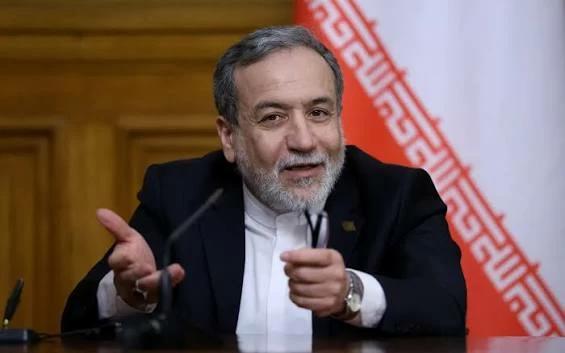
Vance also said the United States was speaking with Iranian President Masoud Pezeshkian and Foreign Minister Abbas Araghchi, while saying “it’s not totally clear how their country makes decisions”.
Tehran rejects talks
Iranian President Masoud Pezeshkian said negotiations with Washington were “futile,” accusing the United States of imposing war immediately after talks. Pezeshkian said, “They have attacked us three times following talks so far; this demonstrates that they do not seek dialogue.” Foreign Minister Abbas Araghchi told foreign ambassadors in Tehran on October 4 that “Only negotiations based on justice and fairness” could end the conflict.
Iran’s proposal, presented during the United Nations General Assembly in New York in late September, sought to reopen the Strait of Hormuz and resume negotiations after Trump rejected it. The Al Jazeera account said the proposal would stop fighting on all fronts, lift Washington’s naval blockade and oil sanctions, release frozen Iranian assets, and reopen the Strait of Hormuz after seven days.

Decision-making dispute and stakes
Vance said Washington remains unsure how decisions are made in Tehran, and he told Reuters, “One of the things we’ve noticed is that it’s not entirely clear how their country makes decisions.” Iran’s Foreign Ministry spokesperson Ismail Bagheri said officials know who their Iranian counterparts are and how the decision-making system works, while saying, “The problem is actually the opposite; it lies in the conflicting positions and messages issued by American officials.” Trump said on Tuesday that his “biggest problem” is that no one knows who is running Iran, and he suggested the war could end “pretty soon.”
“One of the things we’ve noticed is that it’s not entirely clear how their country makes decisions.”
The sources tied the diplomatic standoff to the Strait of Hormuz, with Vance saying Iranian forces are largely unable to prevent energy exports through the waterway. The war’s cost was described as about $3 billion a month, and the conflict was framed as an issue ahead of the November midterm elections as higher energy prices put Trump and Republicans under pressure.