USAupdated 30m ago2 min read
Archive photo · 17 February 2006CENTCOM Warns Trump Administration Iran Standoff Beyond December Could Erode US Readiness
“The United States military has tightened its naval blockade of Iran”
“Trump told Axios that he was not ‘rushing into any decision’”
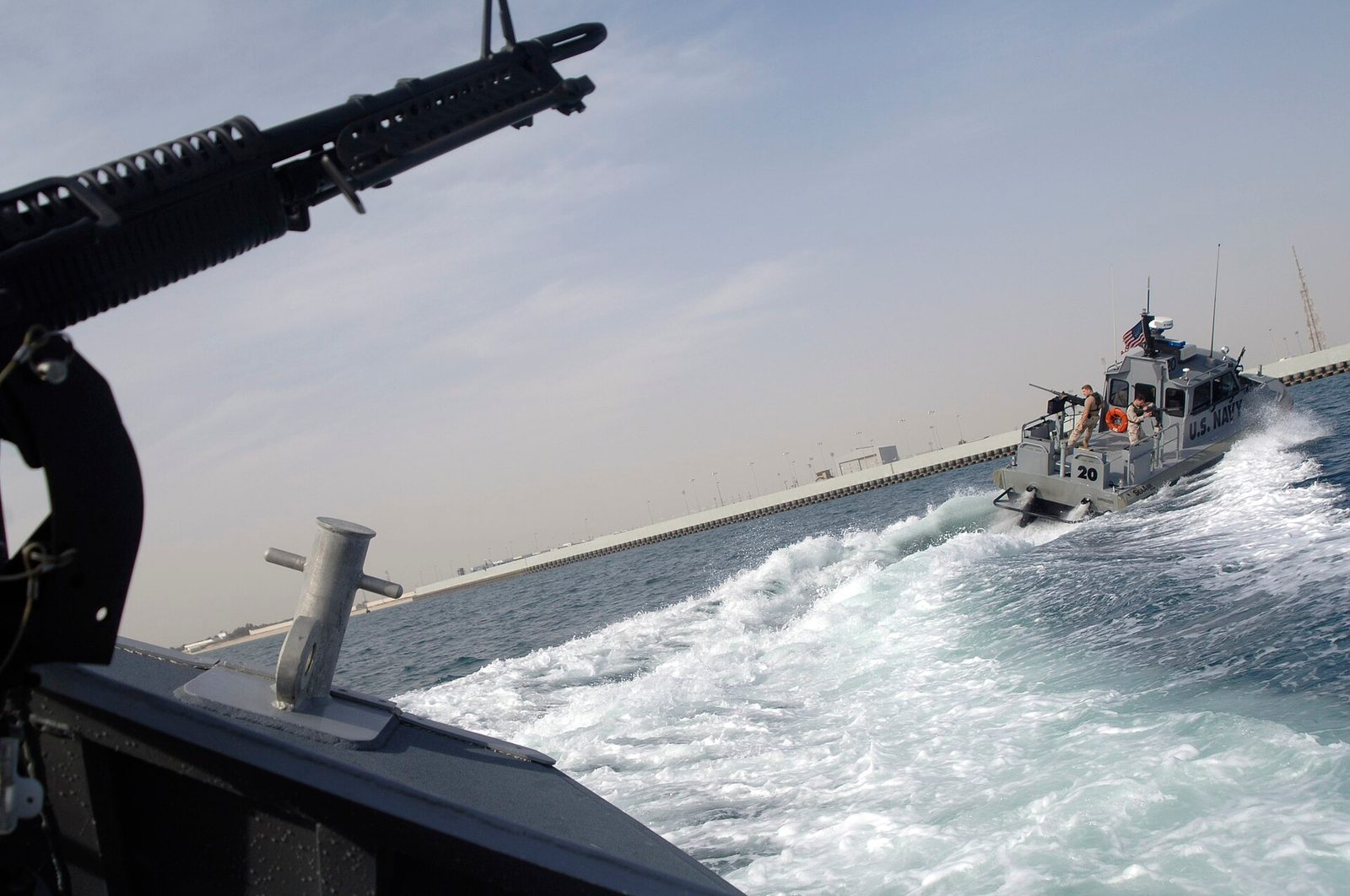
Photo: U.S. Navy photo by Photographer's Mate 2nd Class Christopher Perez / US federal government, Public domain · Cropped for layout
This article is an automated aggregation of coverage from news outlets. Our editorials offer in-depth analysis curated by the NewsCord team.
CENTCOM warns extending Iran confrontation beyond December risks eroding US military readiness. US naval blockade tightened; ships receiving Iranian cargo via ship-to-ship transfers could be deemed evading.
Save coverage image
Al Jazeera was read line by line by the Watchdog: 3.0. See the score →
CENTCOM warns, Trump weighs
The US Central Command (CENTCOM) warned the Trump administration that sustaining the military build-up against Iran beyond December could erode force readiness and leave American troops overextended, the Financial Times reported on Friday. The Financial Times reported that CENTCOM briefed American officials on strain from a deployment approaching a full year, and one person familiar with the discussions said CENTCOM was warning that US forces were “running out of time, burning money and readiness”.
Trump told Axios that he was not “rushing into any decision” and that “we will see what happens after the beginning of the year”. A US military official disputed the Financial Times characterization, denying that CENTCOM had warned the administration it was running out of time or that American forces would become overextended if strikes against Iran were not resumed before the new year.
Israeli pressure and diplomacy
Israeli officials repeatedly invoked a narrowing window for military action to urge Donald Trump to renew attacks on Iran before the end of the year, the Financial Times reported. The Financial Times reported that some American officials also pressed Trump to “finish” the job, while Trump told a press conference: ‘[Iran] want to make a deal, but they don't want to make a deal that's acceptable to me.”
Iran’s foreign minister Abbas Araqchi told Iranian state media that Tehran still hoped diplomacy could end its war with the United States and sought "an agreement that would ensure there was no further war". Iran’s Foreign Ministry spokesman Esmaeil Baqaei dismissed reporting in a post on X as “baseless” and a “fabricated media narrative.”
Naval blockade and enforcement
The United States military tightened its naval blockade of Iran by warning that vessels receiving Iranian cargo through ship-to-ship transfers will face military action, with US Central Command (CENTCOM) issuing an advisory on Wednesday. CENTCOM said, “Any ship that receives cargo via a ship-to-ship transfer with a vessel subject to the blockade” may be considered to be evading the blockade, and CENTCOM warned such ships “may be stopped, boarded, diverted, captured, or directed to proceed”.
The advisory said the blockade aimed to close a loophole that had allowed some Iranian petroleum products to reach international markets despite Washington’s blockade of Iranian ports and oil exports since mid-July. Andreas Krieg, associate professor in Security Studies at King’s College London, told Al Jazeera that the move was “potentially one of the most dangerous escalation scenarios we have seen in recent weeks,” while Brigadier General Hossein Mohebi warned that “we’ll hit harder” if US forces attacked Iranian vessels.