Iranupdated 29m ago3 min read
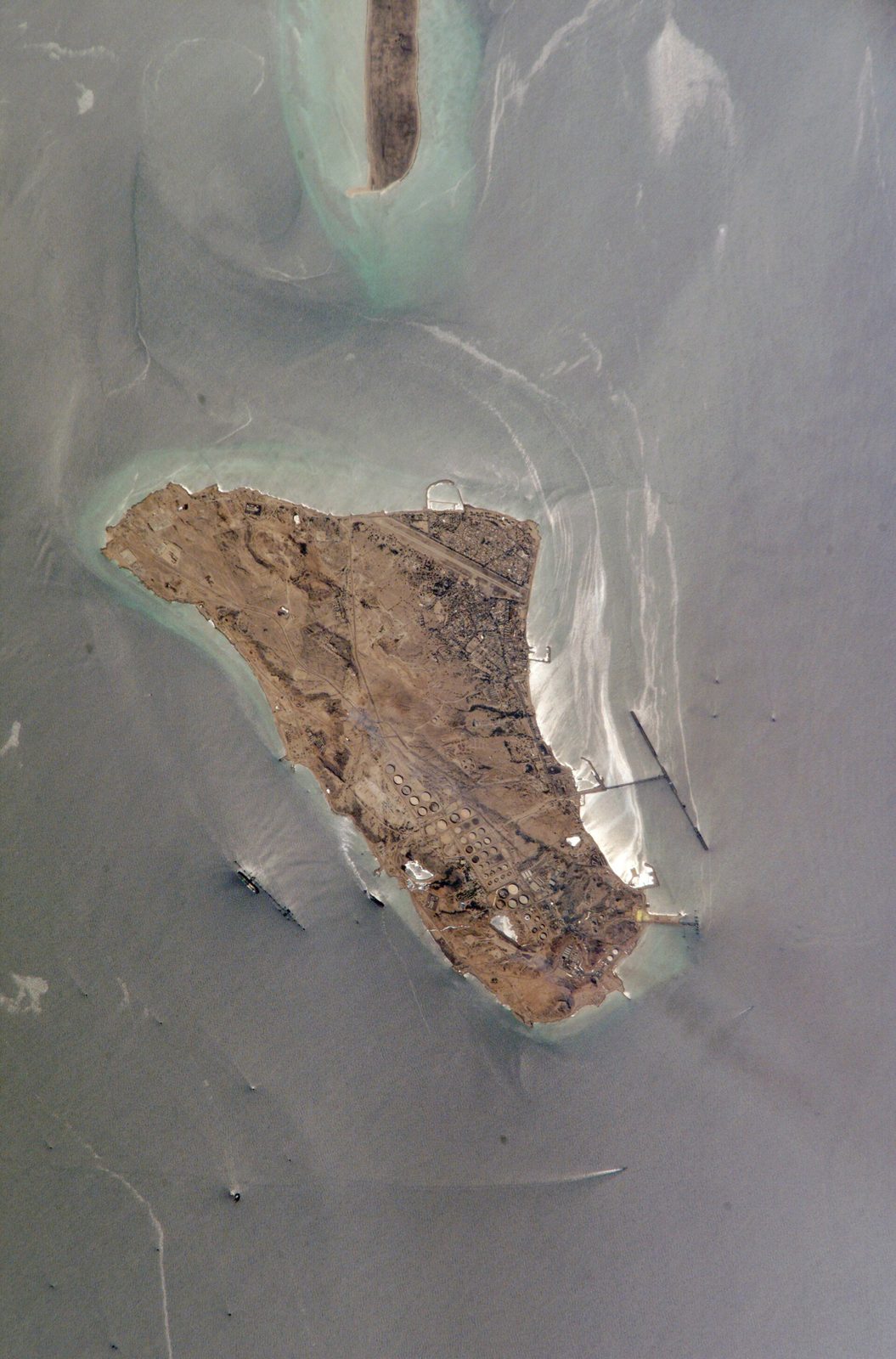
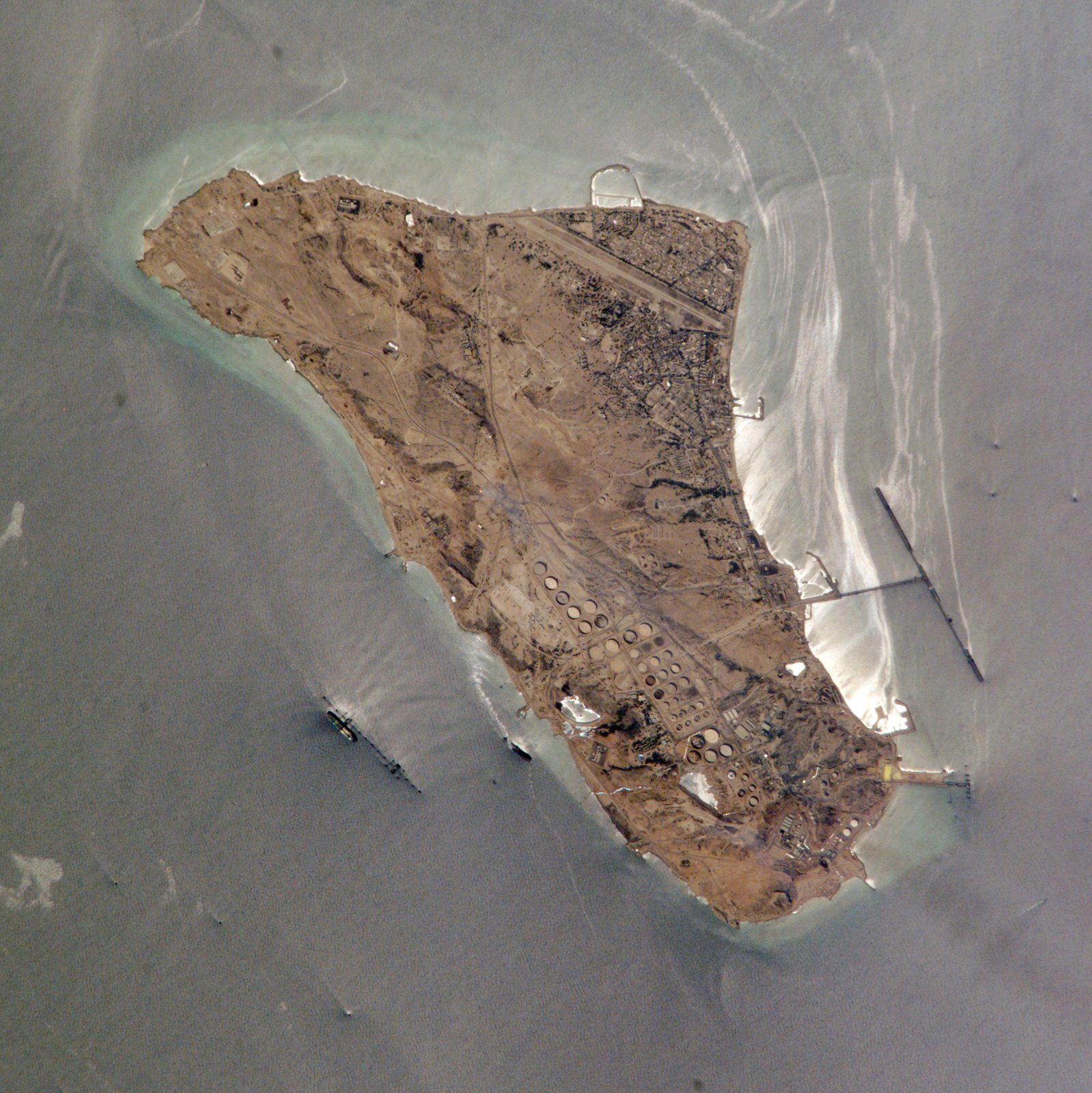
Archive photo · 12 August 2009Iran Stages 14-Tanker Convoy at Kharg Island to Test U.S. Naval Blockade
“merchant ships now face kinetic action from both sides”
“Reports Claim Iran Is Preparing Oil Convoy to Test U.S. Blockade”
Photo: Earth Science and Remote Sensing Unit, Lyndon B. Johnson Space Center / US federal government, Public domain · Cropped for layout
This article is an automated aggregation of coverage from news outlets. Our editorials offer in-depth analysis curated by the NewsCord team.
Iran assembled more than 14 oil tankers at Kharg Island in convoy The maneuver aims to challenge the US naval blockade of Iranian oil exports
Save coverage image
Euronews was read line by line by the Watchdog: 3.0. See the score →
Kharg Convoy, New Rules
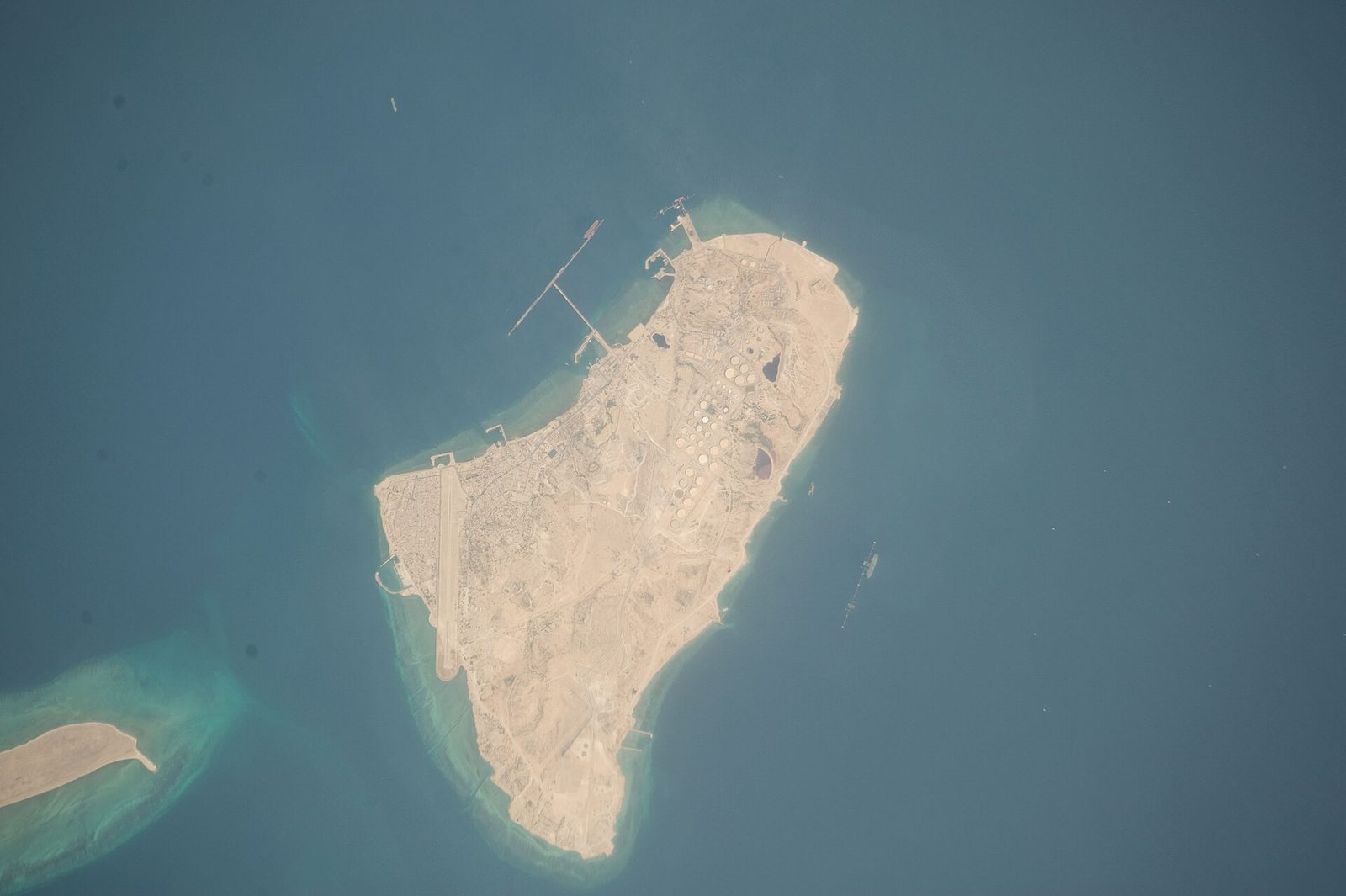
Iran assembled more than 14 oil tankers at Kharg Island and completed the first confirmed ship-to-ship crude transfer since the United States reimposed its naval blockade in mid-July, according to satellite imagery, ship-tracking data and sanctions monitors cited by Bloomberg and Euronews on November 20, 2026. CENTCOM responded by expanding the blockade to cover vessels that receive Iranian cargo at sea, warning they face boarding, diversion or the use of force, and the advisory states: "Any ship that receives cargo via a ship-to-ship transfer" may be considered to be evading the blockade. The sanctioned Suezmax Olym transferred approximately 200,000 barrels of crude to the medium-range tanker Hao Fan south of Kharg Island on November 17, with both ships running dark and their Automatic Identification Systems switched off, according to Bloomberg via gCaptain.
Charlie Brown, an adviser to United Against Nuclear Iran (UANI), said the first observed ship-to-ship Iranian crude transfer since the blockade was reinstated on July 14, and he called the near-simultaneous publication of CENTCOM’s expanded advisory a "happy coincidence". The convoy now staged at Kharg Island, the terminal that handles 85 to 90 percent of Iran’s crude exports and stores roughly 30 million barrels, was expected to head toward the Sea of Oman in the coming days, while no source had confirmed the convoy was underway as of November 20.
Hardliners Threaten Retaliation
Iran International reported that Iranian hardliners pushed a convoy proposal to challenge the US naval blockade and threatened military retaliation against regional energy infrastructure if Washington attempted to stop the vessels.
Fars News Agency published the proposal as "Operation Fereydoun," and the plan called for tankers to sail to China while threatening strikes on oil facilities in the United Arab Emirates, Saudi Arabia and Qatar if the US intervenes.
Foreign Minister Abbas Araghchi told reporters in Tehran that "The naval blockade must be broken," as he addressed reports that Iran was preparing to challenge it.
Political and military analyst Nima Akbarkhani argued during a Thursday night discussion on Iranian state television that "A blockade is a military action. A military action also has a military response," and he described a scenario in which Iranian tankers would sail individually with AIS signals switched on and Iranian flags displayed.
The Business Standard framed CENTCOM’s advisory as a move aimed at closing a route used to bypass the blockade, and it quoted CENTCOM saying vessels involved in ship-to-ship transfers could be considered evading the blockade even if they had not entered Iranian ports or the Iranian coastline.
Insurance, Revenue, Escalation
A US Maritime Administration internal memo acknowledged the blockade’s disruptive impact on commercial shipping, saying it increased "war-risk premium spikes, crew refusals and effective tanker capacity contraction."
The same Al Jazeera report said the memo was shared by MARAD administrator Stephen M Carmel on October 12, following CENTCOM’s attack on the vessel Ocean Molica and unattributed attacks on three other tankers in and around the Strait of Hormuz.
Kpler projected Iran’s revenue from crude oil and condensate exports could hit zero by mid-December, and it said the volume of Iranian oil on the water outside the blockade zone peaked at 88.8 million barrels on July 14 when the blockade was reimposed.
RFE/RL also quoted Kpler senior commodity analyst Homayoun Falakshahi cautioning that it was "still too early to say that Iran has taken serious action to break the naval blockade," even as Kpler identified about 20 tankers near Kharg Island.
The Maritime Executive described a CENTCOM response to the convoy claims, saying any tanker receiving cargo in a ship-to-ship transfer with a vessel under the blockade would be considered to be evading the blockade, while it also noted TankerTrackers.com posted "Wishful thinking. That's definitely not what's going on."