Middle Eastupdated 24m ago3 min read
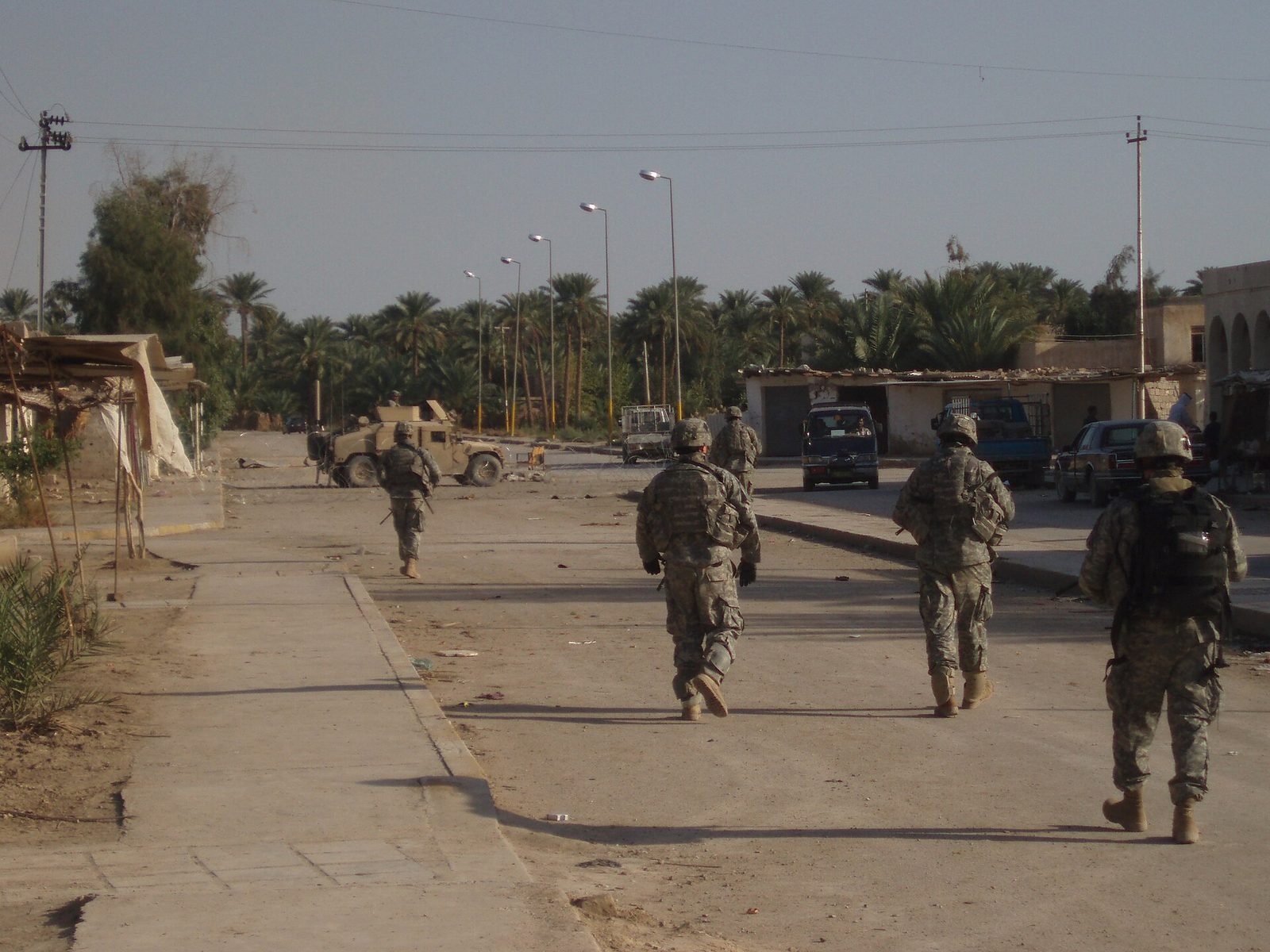
Archive photo · 4 November 2006Ali Al-Zaidi Orders Iraqi Forces Into Kataib Hezbollah Stronghold of Jurf Al-Sakhar
3 Israeli3 Western Mainstream2 West Asian3 Other source typesPhoto: James K. McGann, CC0 · Cropped for layout
This article is an automated aggregation of coverage from news outlets. Our editorials offer in-depth analysis curated by the NewsCord team.
Ali al-Zaidi ordered security forces into Jurf al-Sakhar to assert state control. Deployment followed a negotiated compromise with Kataib Hezbollah over the militia.
Save coverage image
11 outlets in this story. Read their headlines below.
Outlets did split on UN Special Rapporteur Francesca Albanese Urges Humanitarian Vessels to Break Gaza Siege →
Jurf al-Sakhar deployment
Iraqi Prime Minister Ali al-Zaidi said an operation in Jurf al-Sakhar marks the start of a nationwide push to assert state control, curb corruption and disarm groups operating outside government authority. Iraqi security forces deployed in the Kataib Hezbollah stronghold of Jurf al-Sakhar on Friday under a compromise deal brokered by Shi'ite politicians, state media said. Prime Minister Ali al-Zaidi ordered the security intervention earlier this week after accusing the Iran-backed militia of smuggling state-owned oil worth hundreds of millions of dollars.
Kataib Hezbollah rejected the smuggling accusations, and the deal expected Kataib members to withdraw to other parts of Iraq, a major oil producer and ally of both the United States and Iran. Iraqi security forces entered Jurf al-Sakhar for the first time in more than a decade, handing Zaidi’s government a symbolic victory after he had threatened to dislodge the armed group.
Compromise, threats, and voices
Ali al-Zaidi told government troops who entered the town from a military operations center in Baghdad, "From Jurf al-Sakhar, we begin asserting state authority across all of Iraq, confronting corruption and weapons beyond state control." Sabah al-Numan, spokesperson for the commander-in-chief of the Iraqi armed forces, told the press conference, "Today is a historic moment in which the Iraqi Armed Forces prove that they are the nation’s shield, safety valve, and the guardian ensuring security stability for the Iraqi people." Kataib Hezbollah and other militias refused to hand over their weapons to the state, and the group rejected the smuggling accusations that officials said had led to arrests.
A Kataib Hezbollah commander, Abu Taleb al-Saidi, told AFP during a press visit to the area, "I can state decisively and with absolute certainty that the dream they dream of the Kataeb withdrawing from Jurf al-Sakhar will not come true, not even over our dead bodies." Hayder al-Shakeri, a research fellow with the Middle East and North Africa programme at Chatham House, told Middle East Eye that even a limited clash around Jurf could have escalated quickly if other factions saw it as the start of a broader move.
What is at stake next
Iraq’s government set a deadline for Friday for Kataib Hezbollah’s forces to leave the area after an inquiry said it had corroborated intelligence reports that the group was involved in oil smuggling and pipeline tampering in Jurf al-Sakhar.
Iraqi officials said nine senior security and oil officials were dismissed following an investigation focused on Jurf al-Sakhar in Babil province, about 50 km (30 miles) south of Baghdad.
The deal expected Kataib members to withdraw while federal police and the Popular Mobilisation Forces were set to take over parts of the area, and a new joint security headquarters was described as bringing together units from the army, federal police, energy police and PMF.
VOA reported that there were no reported clashes after government forces entered Jurf al-Sakhar, and resident Wissam Daghiri said, "So far, everything is good. The situation is calm."
The New York Times said it was unclear whether Kataib Hezbollah would withdraw, a factor it linked to whether the government could claw back power from dozens of militias that operate in Iraq outside its control.