Climateupdated 24m ago3 min read
Archive photo · 23 January 2025UN Special Rapporteur Francesca Albanese Urges Humanitarian Vessels to Break Gaza Siege
“There was flooding in Gaza, but the narrative and scale of suffering was written by Hamas before it even started raining,”
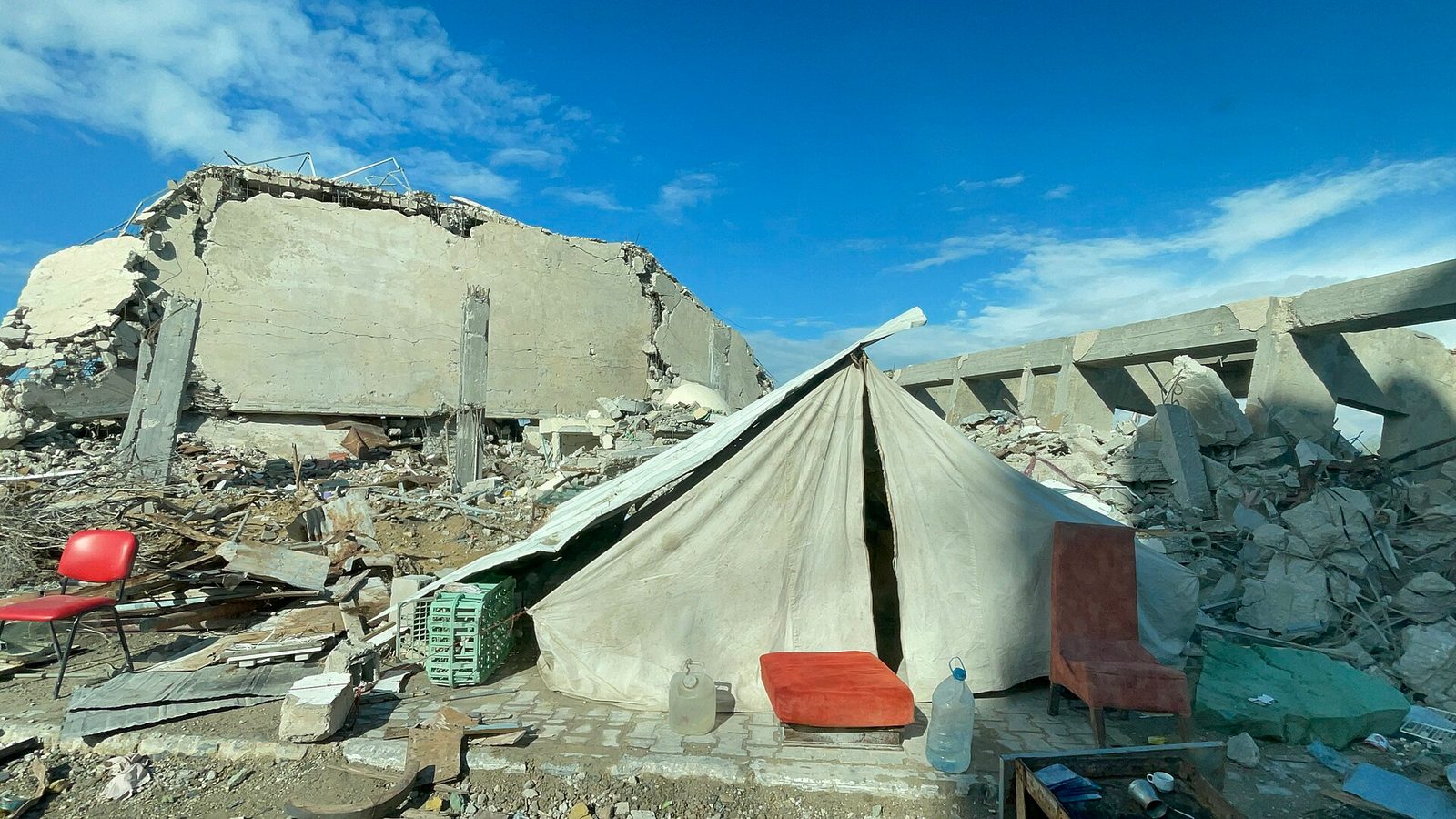
“Israel is blocking around 150,000 tents and other recovery supplies from entering flood-ravaged Gaza.”
Photo: Jaber Jehad Badwan, CC BY-SA 4.0 · Cropped for layout
This article is an automated aggregation of coverage from news outlets. Our editorials offer in-depth analysis curated by the NewsCord team.
UN expert Francesca Albanese urged nations to send humanitarian vessels to break Gaza siege. About 150,000 tents and recovery supplies await Israeli authorization to enter Gaza.
Save coverage image
The Guardian was read line by line by the Watchdog: 3.0. See the score →
Floods, tents, and access
Heavy rains over November 6 and 7 flooded Gaza’s tent cities, leaving 1.4 million Palestinians living in tents and dilapidated dwellings, about 65 percent of the enclave’s population, according to OCHA.
“On November 6 and 7, heavy rains fell on the Gaza Strip.”
OCHA relayed through the Camps and Refugee Sites (SMC) management group said floods destroyed more than 6,000 family shelters and harmed 17,000 others, while a flood risk assessment prepared by the International Organization for Migration and the SMG said about 761,000 people in Gaza’s refugee sites are at risk of flood impact this winter.
The UN Office for the Coordination of Humanitarian Affairs said more than 150,000 tents are awaiting Israeli authorization to enter Gaza, and the International Rescue Committee said aid groups had only about 2,800 tents available compared with roughly 121,000 needed.
Francesca Albanese, the UN Special Rapporteur on the Occupied Palestinian Territories, wrote on social media Tuesday that nations must prepare to send ships, adding, "If... Israel still refuses, any principled leader would send humanitarian vessels to break the siege."
Storms left thousands in Gaza without shelter and sanitation infrastructure, and Raed Jamal said, "All our clothes were soaked. My kids are all sick and I can’t afford to buy them more clothes."
Forged clips and disputed narrative
Forged videos generated with artificial intelligence tools were used to cast doubt on the floods in Gaza and were employed by accounts supporting Israel. A recording that garnered more than 250,000 views showed children crowded in a tent with their feet submerged in muddy water, and Google’s SynthID tool found the clip was not AI-generated or edited by AI tools while artifacts such as a three-finger hand and a distorted head indicated it was not real. The Gazawood account on X posted the clip with the caption, "Israel is preventing good AI technologies from entering Gaza."
Meteoblue’s weather archive confirmed that rain did fall in the Gaza Strip on November 6 and 7, and Pat Griffiths, the spokesperson for the International Red Cross in Jerusalem, warned that "Thousands of people in Gaza rely on tents for shelter." Justin Pozmanter told The Jerusalem Post that, "There was flooding in Gaza, but the narrative and scale of suffering was written by Hamas before it even started raining."
Winter risk and next steps
At least four Palestinian children and woman were killed as heavy rains and wind battered fragile, leaky tents, and sewage spewed into people’s tents after sanitation infrastructure was destroyed. The UN reported 26,000 households had sought its help after the rains and at least 3,900 households were now without shelter at all, while 150,000 new shelters were held outside Gaza awaiting Israeli approval to enter. Medical Aid for Palestinians said it was concerned about a rise in health problems, and it quoted Mai Elawawda saying, "Our medical teams expect to see more respiratory illnesses and other health complications linked to cold, damp and overcrowded conditions."
Netanyahu denied Israel was to blame for conditions in Gaza camps, and he blamed Hamas for allegedly diverting humanitarian aid for military use. Civil defence teams received more than 2,100 distress calls during recent storms but could respond to only 218, and the shortage of heavy machinery undermined rescue and safety efforts, while the Gaza peace plan could make a two-state solution "practically impossible" if it does not move into its implementation phase.