Climateupdated 22m ago3 min read
MapNRC Issues Construction Permit for Dow and X-energy’s Four Xe-100 Reactors in Texas
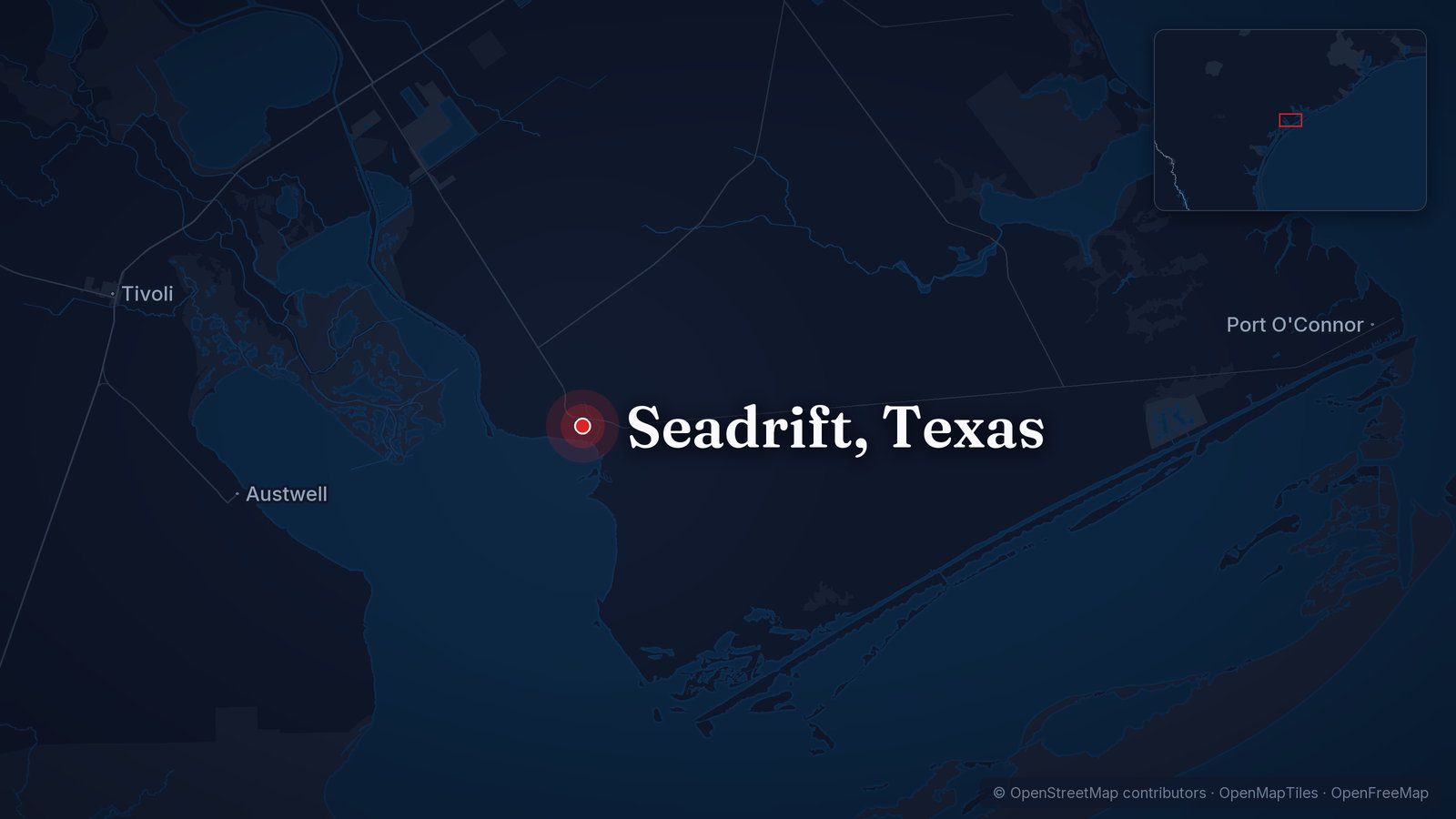
4 Other2 Western Alternative1 Western MainstreamMap: © OpenStreetMap contributors, ODbL · Cropped for layout
This article is an automated aggregation of coverage from news outlets. Our editorials offer in-depth analysis curated by the NewsCord team.
NRC approved construction permit for four Xe-100 SMRs at Dow's Seadrift site in Texas. Each Xe-100 unit has 80 MWe electrical capacity (200 MWt).
Save coverage image
7 outlets in this story. Read their headlines below.
NRC clears Long Mott
The U.S. Nuclear Regulatory Commission issued a construction permit on Nov. 9 for the Long Mott Generating Station, a four-reactor Xe-100 project planned for Dow's Seadrift Operations in Calhoun County, Texas.
Long Mott Energy, a wholly owned Dow subsidiary, will build four Xe-100 units that together would deliver 320 megawatts of electricity and 800 megawatts of thermal output, with each module designed for roughly 80 megawatts of electric capacity and 200 megawatts of heat.
X-energy said the project is configured around the energy needs of a chemical plant, with high-temperature steam for manufacturing processes and surplus electricity exported to the grid.
NRC Chairman Ho K. Nieh said, "Today, the new NRC is issuing America's first construction permit for a high-temperature gas-cooled reactor in more than half a century," as the agency described the approval as a series of firsts.
The NRC’s review moved on an 18-month schedule set when the application was formally accepted in June 2025, after Dow filed in March of that year, and the agency completed its environmental assessment and a finding of no significant impact in May and wrapped up its safety evaluation on Oct. 30.
Safety dispute and timeline
The Union of Concerned Scientists questioned both the safety claims and the pace of the review, and Edwin Lyman said, "The NRC only accomplished this feat by pushing consideration of critical safety questions to a later date—issues the NRC should've fully resolved before green lighting construction." X-energy said the Xe-100 uses helium to carry heat away from graphite pebbles containing tri-structural isotropic, or TRISO, fuel particles, and the design avoids the shutdowns conventional plants need for refueling. The NRC permit does not allow fuel loading or operation, and a separate operating license is required before the plant can begin generating power.
Dow said the approval is not a final investment decision, and the company expects to weigh a preliminary investment decision in 2027 with full construction starting only after a final decision. TechCrunch said X-energy’s approval gave the company a "small jolt" while its shares were trading at less than half their initial offering price.
Industrial heat and next steps
The Long Mott project is being developed with support from the Department of Energy's Advanced Reactor Demonstration Program, and X-energy said the department has signaled it intends to raise its support to a total of $2.15 billion. X-energy said the architecture supports siting close to industrial facilities and envisions an emergency planning zone of 400 meters, while the figure reflects the company's design assumptions rather than a blanket rule for future advanced reactors. The project’s four Xe-100 units are expected to start supply in the early 2030s, and X-energy said first supply is targeted for the early 2030s.
Amazon’s Climate Pledge Fund led a $500 million Series C-1 round for X-energy, and Amazon committed to buying 5 gigawatts of capacity from the startup. Erik Funkhouser, executive director of the nonprofit Good Energy Collective, said, "It is significant that there is an industrial customer involved who, specifically, plans to procure large-scale industrial heat," linking the project to validation of cogeneration of heat and electricity using advanced nuclear technology.