Climateupdated 1h ago2 min read
MapAmani Says Tehran Municipality Readiness Report Contradicted by Flooding Videos on Chamran and Sadr
5 Other2 West AsianMap: © OpenStreetMap contributors, ODbL · Cropped for layout
This article is an automated aggregation of coverage from news outlets. Our editorials offer in-depth analysis curated by the NewsCord team.
Flooding on Chamran and Sadr streets during Nov 6–8 challenges readiness claims. Tehran Municipality officials claimed full readiness and preventive measures with 10,000+ personnel on standby.
Save coverage image
7 outlets in this story. Read their headlines below.
Outlets did split on Gaza Rainstorm Floods 70,000 Displacement Tents, Civil Defence Reports 1,500 Distress Calls →
Rains, Floods, and Doubts
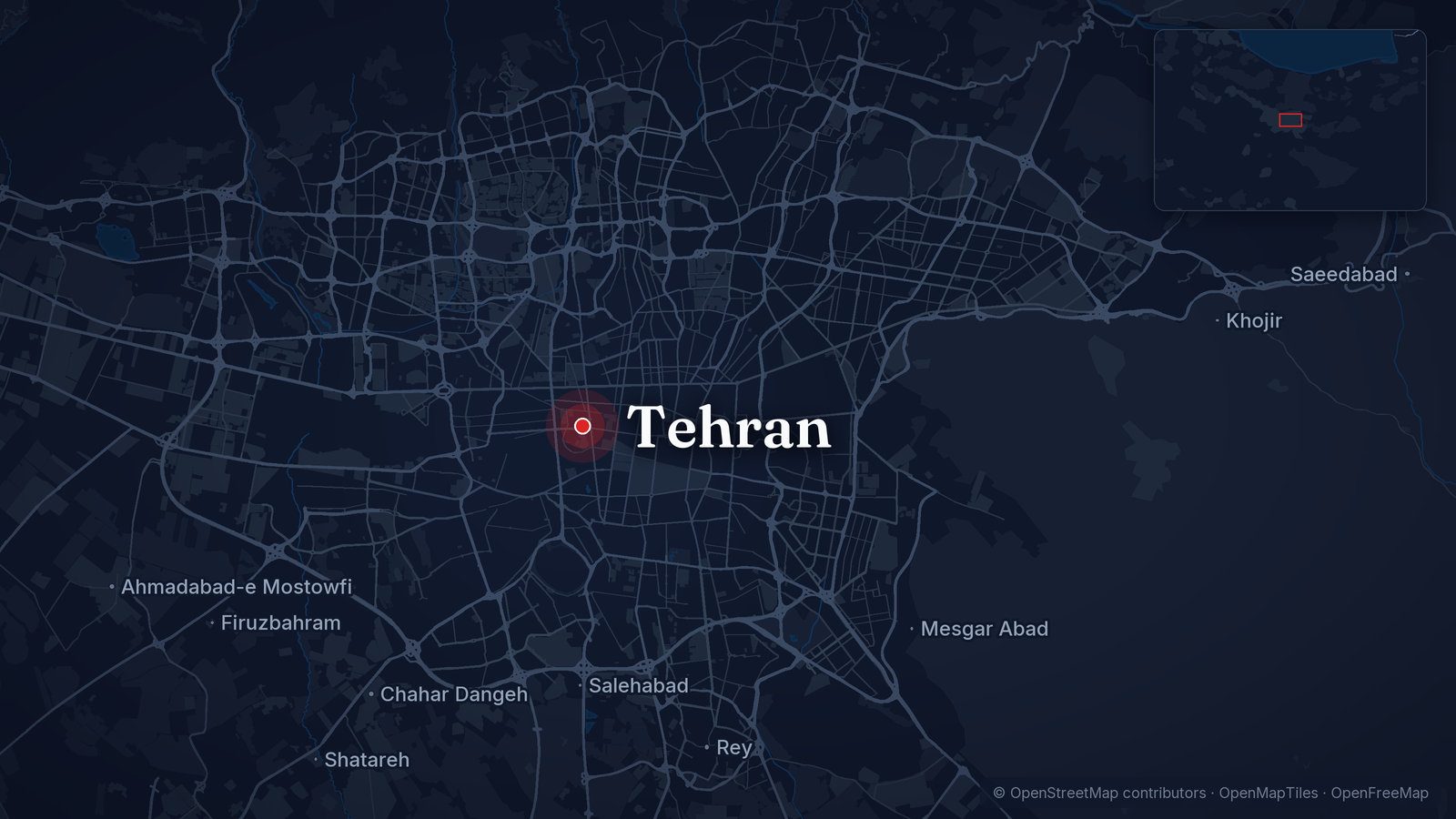
Tehran’s autumn rains from November 6 to 8 turned the capital’s streets into scenes of flooding and difficult traffic once again, after months of drought. Meteorology warned about the possibility of flash floods and flooding, and Tehran’s municipality announced readiness of forces, channel dredging, and identifying risk points. Nasser Amani, a member of Tehran City Council, said there was a contradiction between the report presented in the council and the films and images of flooded streets that were also available on social networks.
Amani said the videos sent to the council showed flooding and even flash floods on streets including Chamran Highway and a case related to flooding of the Sadr Bridge. Amani added that the next council meeting should pursue why the report and the published images differed.
Municipality Cites Readiness
Abdolmottahar Mohammadkhani, the spokesperson for Tehran Municipality, said municipal services, the Crisis Management Organization, and other municipal sectors were working around the clock with full readiness during the capital’s recent rainfall. Mohammadkhani said Tehran’s municipality mobilized 10,000 urban services workers over two days of rain, with 138 fire stations also on full alert and carrying out various operations. Mohammadkhani highlighted the dredging of 550 kilometers of city rivers, and he said the Shahid Bakeri Canal in District 5 was completed in the past month after 15 years.
Mohammadkhani warned that without these measures a flood risk could have been present, and he said 42 flood-prone and severely waterlogged sites in the capital were identified and rehabilitated. Mohammadkhani also said no metro station experienced waterlogging, and he told colleagues creating AI films to stop.
Budget, El Niño, and Choke Points
Ali Nasiri, head of the Tehran City Organization for Prevention and Crisis Management, said a dedicated budget line for floods should be added to the next year’s budget of the municipality and the government. Nasiri told an emergency meeting of the Greater Tehran Crisis Management Headquarters for Weather-Related Risks that coordination among various sectors of urban management and government agencies was necessary. Nasiri said Tehran’s channels were designed for floods with a 50-year return period, but he warned that some choke points in the network can still become trigger points in flood conditions.
Nasiri said the city was facing the phenomenon of El Niño, with continuation expected for at least the next three years. Nasiri emphasized that while several choke points had been resolved through follow-ups, a substantial number of problems and chokepoints remained and required planning, funding, and serious follow-up.