Climateupdated 1h ago3 min read
MapDisplaced Palestinians in Gaza’s Al-Mawasi Build Wind Turbines From Rubble
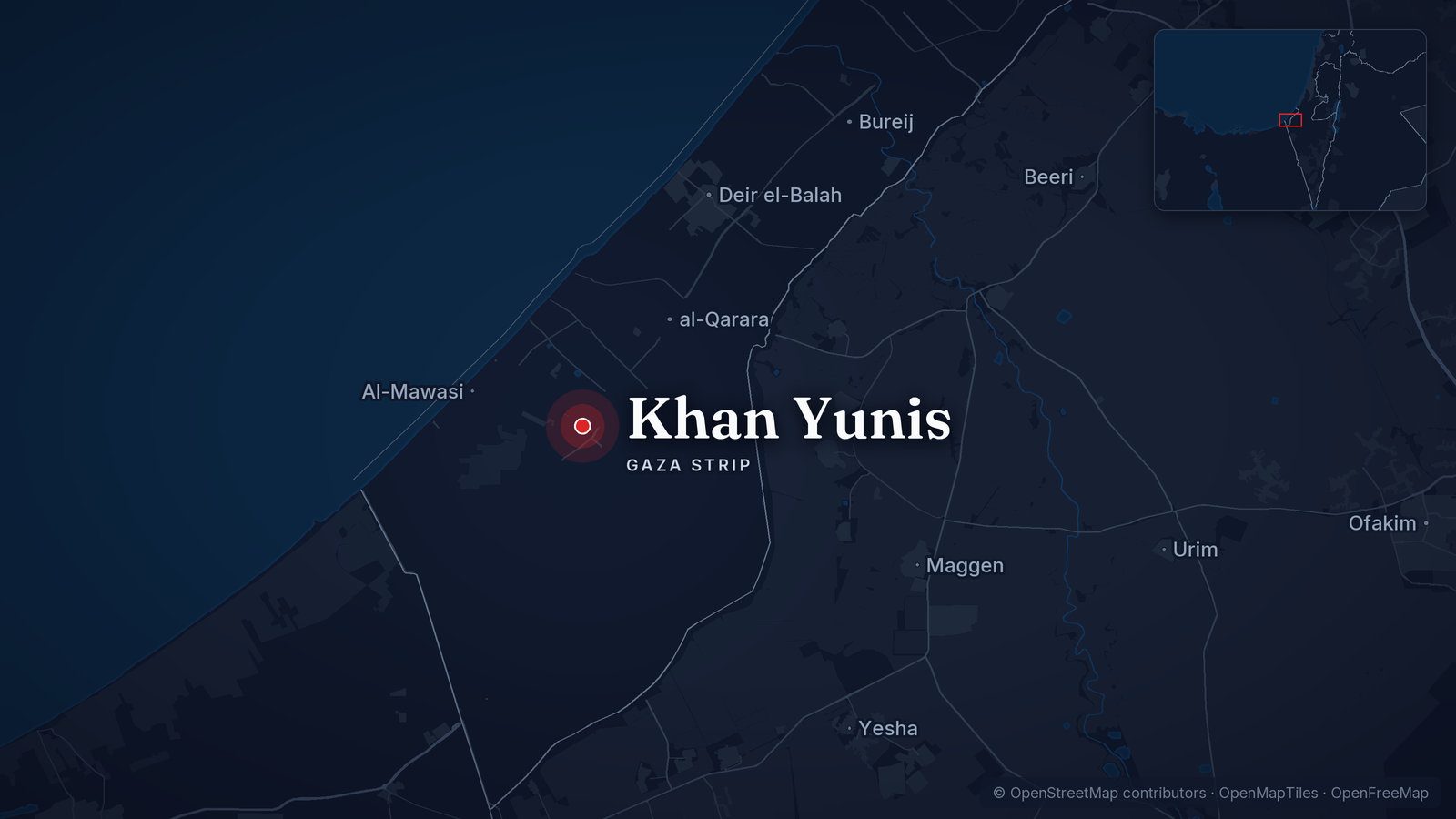
5 West Asian3 Other1 Western MainstreamMap: © OpenStreetMap contributors, ODbL · Cropped for layout
This article is an automated aggregation of coverage from news outlets. Our editorials offer in-depth analysis curated by the NewsCord team.
Palestinians in Al-Mawasi build wind turbines from rubble to generate electricity. Kamal Al-Dabary, a former engineering student, built them from scooter motors and salvaged parts.
Save coverage image
Rubble to power
Displaced Palestinians in Gaza’s al-Mawasi camp in the Muwasi Khan Younis area, south of the Gaza Strip, built wind turbines from scraps found in the rubble of destroyed buildings to generate electricity as the war destroyed reliable power sources.
“Why not harness the wind? So we salvaged parts from the rubble.”
Engineering students in Gaza relied on scrap metal collected from among the rubble in a displacement camp to make wind turbines that spin above tents, where an engine powers electricity generation and circuits assembled from pieces gathered from destroyed homes store energy in batteries.
A 60-year-old former engineering student, Kamal Al-Dabary, built the devices using scooter motors, discarded water tanks, and electrical components salvaged from destroyed homes, and the turbines produce enough power to charge mobile phones, illuminate lights, run fans, and even power electric razors.
Above the tents of a displacement camp in al-Mawasi near Khan Yunis, the turbines spin in the sea breeze, and the energy generated is stored in batteries.
Kuwait Times said the turbines are built from scooter motors and old water tanks cut into blades, and it quoted Dabary saying, "Why not harness the wind? So we salvaged parts from the rubble."
Cost and constraints
A single solar panel now costs at least 15,000 shekels, nearly $5,000, and Dabary said, "When solar panels were still relatively affordable, we bought one and kept moving it around to follow the sun." Al Jazeera said residents of al-Mawasi engineered a solution because the war on Gaza destroyed reliable power sources, and it described Palestinians using scraps found in the rubble of destroyed buildings. The AOL.co.uk account said solar panels now cost nearly $5,000 and much of Gaza's electricity infrastructure was destroyed, leaving families with a cheaper alternative that produces just enough power to charge phones and run lights and fans.
The Independent Arabic account said about 90 percent of Gaza’s electricity generation and distribution capacity were largely destroyed in April of last year due to Israeli strikes targeting homes and infrastructure, and it linked the shift toward wind turbines to that grid damage. The Independent Arabic account also said Dabari recalled, "Three years ago we did not have work or income, so the idea of a wind turbine came to me."
What the power does
Kuwait Times said the turbines provide enough power to charge phones and run lights, fans, and even electric razors, describing small comforts that have become a luxury for families living in tents and shelters. The power can keep medical equipment running, and Saleh ben Hasan, 50, asked, "If a child needs a nebulizer in the middle of the night, who else can we turn to?" Al Jazeera said the war on Gaza destroyed reliable power sources, and it framed the turbines as a way for residents of al-Mawasi camp to generate electricity from rubble parts.
“If a child needs a nebulizer in the middle of the night, who else can we turn to?”
The Daily Star described Hussam Al-Attar, a 15 year old Palestinian kid, as being named "Newton of Gaza" after successfully generating electricity from wind using dynamo and blades, and it said he wishes to have more equipment like batteries so electricity can be stored for a 24/7 supply. The Independent Arabic account said Dabari, known as "Abu Ayman," said the turbines "help us endure... until God relieves this cloud from us and we return to our homes and rest."