Protestsupdated 1h ago2 min read
MapAlexander Dobrindt Blames Violent Left-Wing Groups as Gen Z Protests Turn Violent in Germany
“recognising in the demands of Gen Z demonstrators a common fight against austerity, war and genocide”
“They were organised by the campaign group Gen Z regelt - meaning ‘Gen Z takes charge’ - to protest against underfunding in schools, the high cost of living”
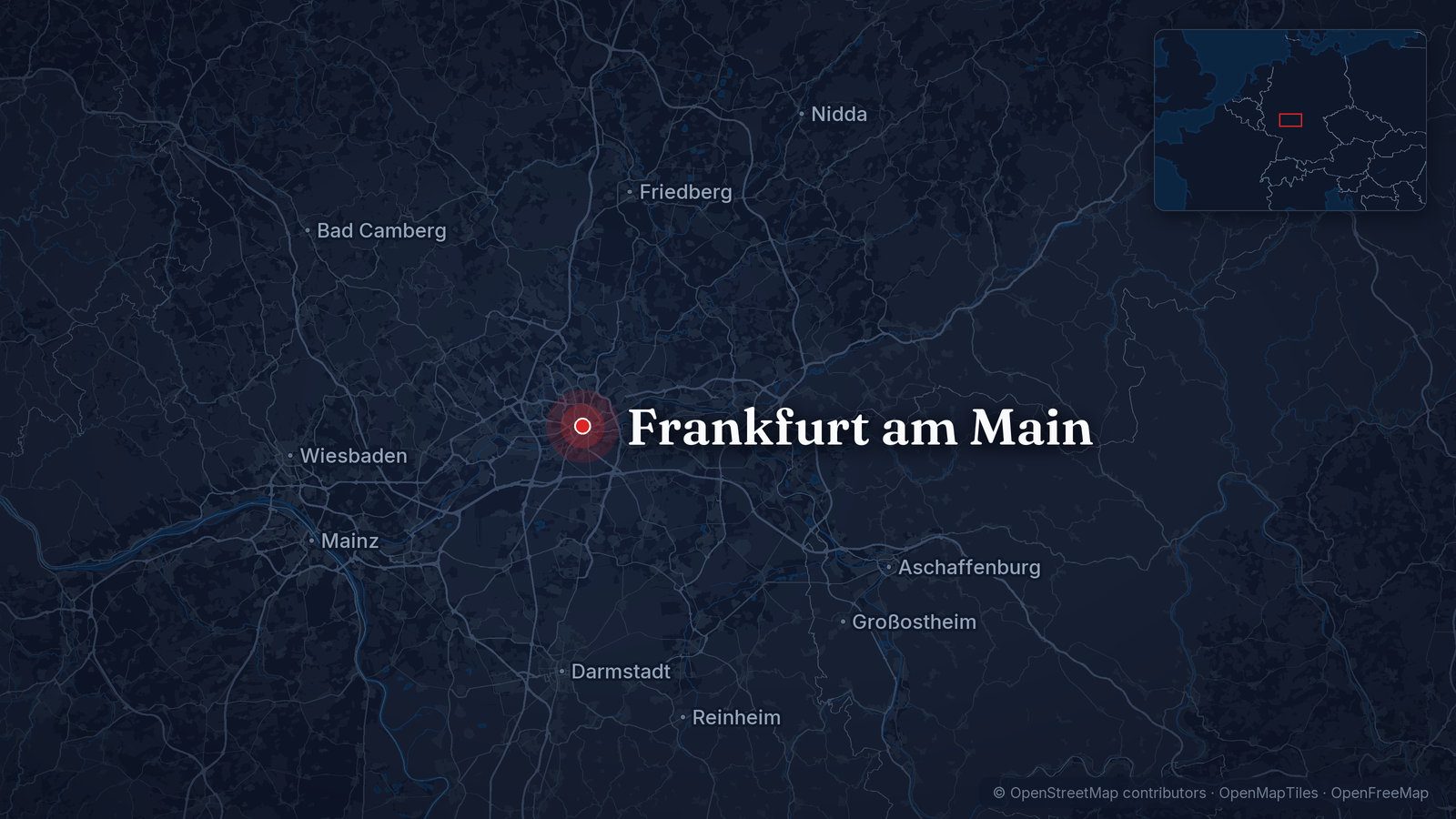
Map: © OpenStreetMap contributors, ODbL · Cropped for layout
This article is an automated aggregation of coverage from news outlets. Our editorials offer in-depth analysis curated by the NewsCord team.
Gen Z cost-of-living protests across Germany turned violent with looting in Frankfurt. Police deployed hundreds to thousands of officers; water cannons used; arrests and injuries occurred.
Save coverage image
Halloween, then violence
Thousands of Gen Z-led protesters took to the streets across Germany and other European countries on Halloween, joining a wave of youth demonstrations over the rising cost of living and underfunded schools. German Interior Minister Alexander Dobrindt told Bild that police had prevented "excesses of violence like those seen in Paris" in recent weeks, while he blamed unrest on "violent left-wing groups and anarchists from the migrant community".
In Frankfurt, rioters smashed shop windows and threw molotov cocktails at emergency services personnel, according to police statements, and in Berlin a daytime rally near the Brandenburg Gate passed peacefully while a separate demonstration that evening ended in scuffles. In France, the French Interior Ministry announced 320,000 people participated in protests nationwide on Saturday, including 70,000 in Paris, and the ministry said the figure was far lower than the 550,000 who demonstrated on October 17 and the 410,000 who participated on October 24.
Who says what
Gen Z movement spokesperson Lina Friedrich said the demonstrations were "to fight for peace and freedom, rather than for war and coercion," and she said, "What matters most to us is better support for the health and education systems." Roman Poseck, interior minister of Hesse state, said it was "shameful" how the protests had ended, and he said, "We all have those images from France in our minds - looting, burning houses".
The Gen Z regelt spokesperson Lina Friedrich also said the demonstrations were against compulsory military service, and she said, "We are against compulsory military service and we are in favour of a fairer distribution of the burden." Berlin police said a smaller demonstration in the evening resulted in 27 police officers being injured, and it led to up to 56 people temporarily detained, while Cologne police chief Johannes Hermanns said it was "deeply saddening" that peaceful demonstrators were infiltrated by extremists.
Scale, targets, and fallout
In Germany, police said they used water cannon to disperse protesters who were targeting emergency workers with fireworks, stones and bottles, and the unrest followed largely peaceful demonstrations earlier in the day. In Hamburg, public broadcaster NDR reported that 120 people were arrested, and in Frankfurt police said special police units were deployed as windows of several shops were smashed and molotov cocktails were thrown at emergency services.
In France, the French Interior Ministry said there were more than 770 arrests across France during the demonstrations on Saturday, and French Interior Minister Laurent Nuñez said a police officer had been injured by a molotov cocktail. In Switzerland, Zurich Police said events began on Saturday evening after calls circulated on social media platforms and websites to organize gatherings and protests in the Fourth District, and Basel-Stadt cantonal police said participants gathered at Clara Platz square at nine o’clock on Saturday evening before the march reached Saint Johann’s Square around ten-thirty.