Climateupdated 1h ago3 min read
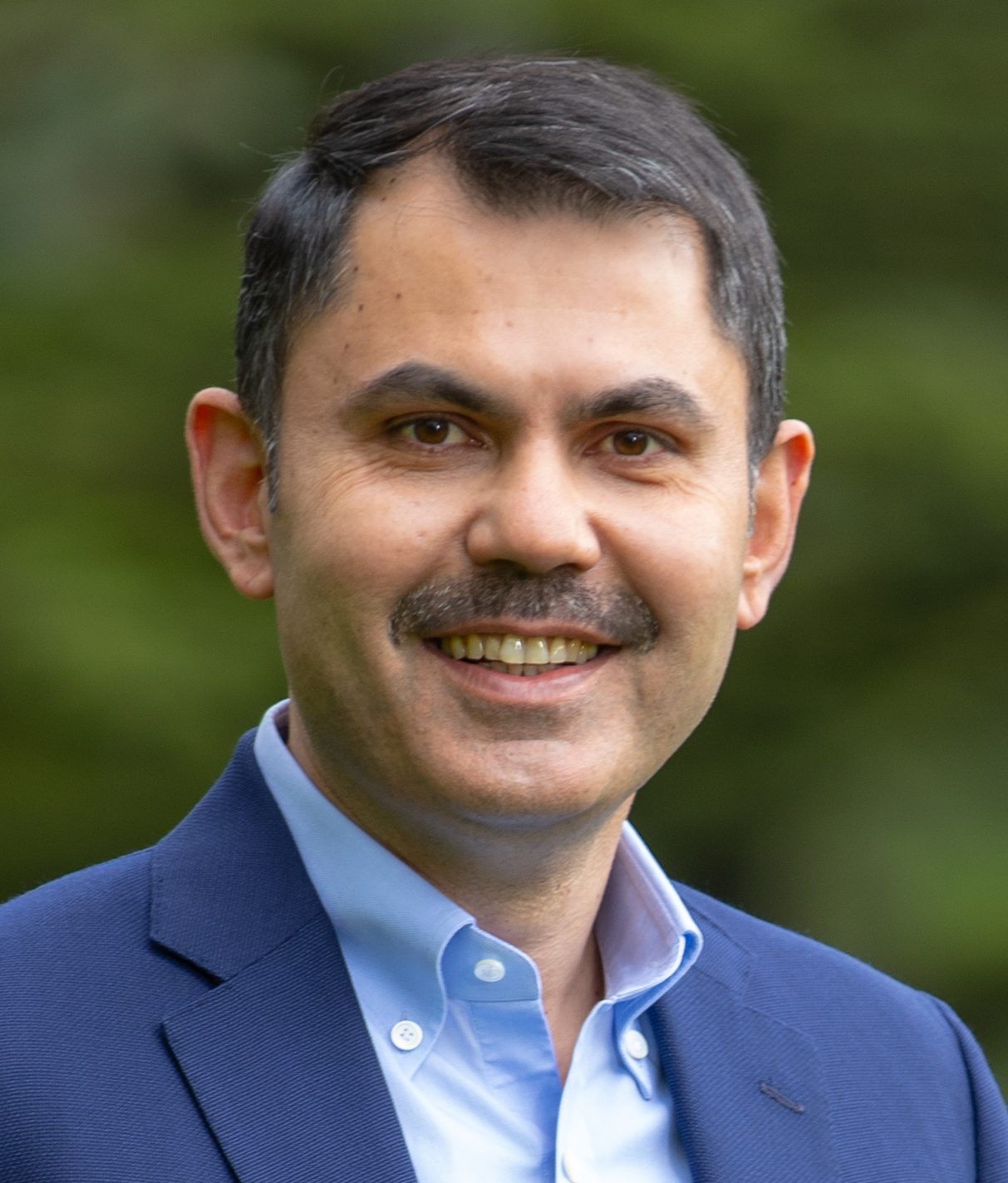
Archive photo · 1 December 2023COP31 President Murat Kurum Urges Turning Climate Pledges Into Concrete Action in Antalya
“These competing pressures are expected to complicate efforts by Turkey, the host of COP31, to secure meaningful commitments on climate action.”
“Türkiye wanted COP31 to become an ‘Implementation COP,’ built around three principles: dialogue, consensus and action.”
Photo: Ktpkurdu, CC BY-SA 4.0 · Cropped for layout
This article is an automated aggregation of coverage from news outlets. Our editorials offer in-depth analysis curated by the NewsCord team.
Murat Kurum calls for translating climate pledges into concrete policy and implementation Priorities include climate finance, electrification, and Paris Agreement goals
Save coverage image
COP31 opens in Antalya
COP31 opened Monday in Antalya, Türkiye, with COP31 President Murat Kurum urging negotiators to turn climate pledges into concrete action as leaders pushed for faster delivery on climate commitments.
Kurum warned that interconnected global crises, including geopolitical tensions, economic uncertainty, supply chain disruptions and increasingly severe climate impacts, were shaping the summit’s urgency, and he framed climate policy as “also development policy. It is food policy. Energy policy. Urban policy. Health policy,”.
Kurum said Türkiye wanted COP31 to become an “Implementation COP,” built around three principles: dialogue, consensus and action, and he called “This is Antalya's call: let dialogue grow as divisions deepen. Restore trust where it is under strain. Put resources to work as needs grow. Close the gap between our promises and people's lives,”.
Chris Bowen, Australia’s climate minister and COP31 president of negotiations, said “The latest science tells us that we will overshoot 1.5,” while adding “But we can still return if we work together and act with urgency, solidarity and resolve,”.
UNFCCC Executive Secretary Simon Stiell told delegates that “COP31 must supercharge solutions,” urging concrete steps to expand renewable energy, improve access to climate finance and curb methane emissions.
Electrification and finance
Kurum highlighted the “35-by-35 Global Electrification Pledge,” which aims to raise electricity's share of global final energy consumption to 35% by 2035 through renewable energy, stronger grids, storage, efficiency and clean transport. Kurum also underscored climate finance, citing the agreement reached in Baku to mobilize at least $300 billion annually for developing countries by 2035, alongside a broader target of scaling up financing to $1.3 trillion a year. Bowen warned that progress remained inadequate, saying “The countries that need climate finance the most are getting it the least,” and he urged faster, simpler and fairer access to funding.
Ireland’s Darragh O'Brien defended a COP31 focus on implementing existing climate commitments and said Ireland would coordinate the European Union delegation together with the European Commission, with funding for vulnerable countries a negotiation topic. The Irish Times remarks collected by The Irish Times said developed countries agreed to lead mobilization of at least 300,000 million dollars annually by 2035, and the discussion would cover both the amount of money and the conditions under which it arrives.
What counts as success
Climate Home News said COP31’s day 1 bulletin centered on a “cover decision” and reported that Bowen told diplomats, “There will be no surprises. This is not about duplicating negotiations.”
“There will be no surprises. This is not about duplicating negotiations.”
Climate Home News also quoted Bowen saying it would “not be a lengthy political declaration, but a focused, practical, concrete response to the challenges and opportunities before us,” as negotiators prepared for talks on electrification, a just transition mechanism and better access to climate finance.
DW’s climate explainer framed COP31 as a test of what success would look like as Turkey hosts and Australia leads the negotiations, while developing countries demand financial support promised to them.
UNFCCC Executive Secretary Simon Stiell urged delegates to shift from setting targets to delivering practical measures, warning in the opening that “Progress is not even remotely fast enough or fair enough,”.
Anadolu Ajansı reported that Kurum unveiled a “Climate Implementation Bridge,” described as a mechanism intended to connect countries and projects seeking investment and technology with institutions and partners able to provide them.