Climateupdated 20m ago3 min read
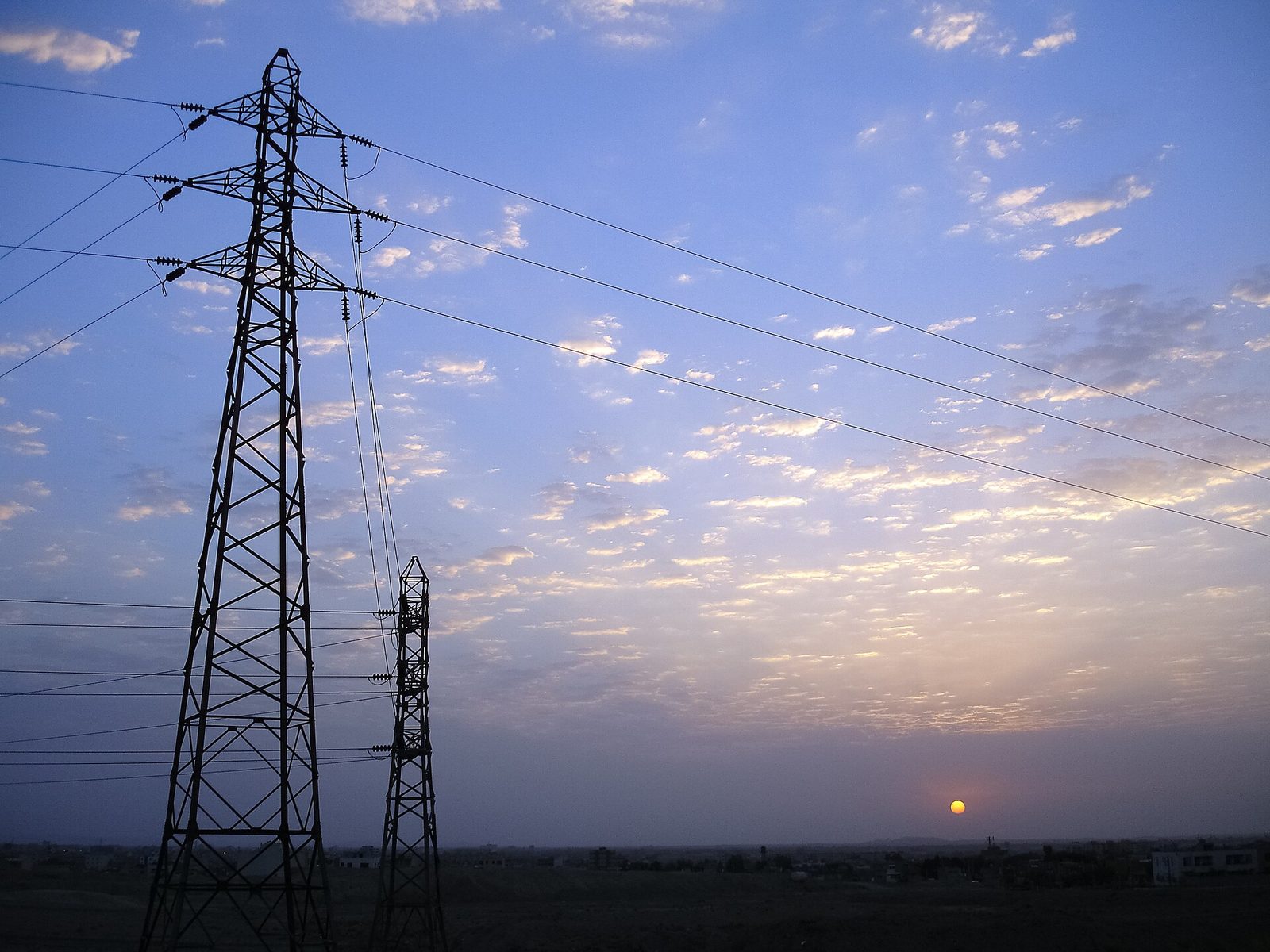
Archive photo · 3 January 2005COP31 Presidency Backs Global Electrification Pledge to Lift Electricity Share to 35% by 2035
8 Other4 Western Mainstream1 Local Western2 Other source typesPhoto: Mostafameraji, CC0 · Cropped for layout
This article is an automated aggregation of coverage from news outlets. Our editorials offer in-depth analysis curated by the NewsCord team.
Türkiye's COP31 presidency pushes electrification, targeting electricity share rising to 35% by 2035. Global commitments to electrification grow, backed by governments, companies and financial institutions.
Save coverage image
Electrification pledge at COP31
Türkiye’s COP31 presidency is rallying governments, companies and financial institutions behind a global electrification target to raise electricity’s share of final energy consumption from around 23% today to 35% by 2035. The COP31 Global Electrification Pledge is meant to usher in the “age of electricity,” and COP31 President Murat Kurum said, “This year’s energy crisis has shocked us out of our complacency and demonstrated the inherent vulnerability of dependence on energy imports.” COP31 President of Negotiations Chris Bowen said the pledge is “matched by practical delivery pathways,” arguing that electrification backed by clean power, stronger grids and storage can cut emissions across households, transport and industry.
“The age of electricity is taking shape – and COP31 will be remembered as the moment we flicked the switch.”
Türkiye was reportedly seeking to incorporate the electrification goal into the formal outcome of the talks, while a Türkiye spokesperson for Murat Kurum did not immediately respond to a request for comment. Climate Home News said COP31’s focus on two voluntary pushes includes transitioning away from fossil fuels (TAFF) and the COP31 Global Electrification Pledge, with the pledge’s incorporation into the final cover decision still uncertain.
Fossil fuels and clean power
Campaigners warned that electrification could conceal additional fossil fuel consumption unless it is supported by renewables, stronger grids and storage, and Claire Smith of the civil society coalition Beyond Fossil Fuels said electrification could do so. Janet Milongo of Climate Action Network International said success would depend on access, infrastructure ownership and whether communities were moving away from fossil fuels, while the pledge itself was described as distinct from a target for the share of electricity generated from renewable sources. The pledge is meant to help reduce planet-warming emissions by speeding the global shift away from fossil fuel-powered vehicles, furnaces, boilers, cooking stoves, and other greenhouse gas-emitting equipment.
Türkiye announced new oil discoveries on the opening day of COP31, and President Recep Tayyip Erdoğan said the Gabar region was producing 84,000 barrels of oil a day from 184 wells. Erdoğan said production at the new sites began in October and he announced two new fields, Gaziler and Çardaklı, with an estimated combined oil-in-place potential of 135 million barrels.
What is at stake next
COP31 President Murat Kurum said the presidency is “determined to chart a path forward and use the annual UN summit to build momentum,” while Climate Home News said it remains to be seen whether and how the pledge will be incorporated into the final cover decision from Antalya. The talks were described as an “implementation COP,” as negotiators pushed governments to sign a pledge to electrify 35% of the global economy by 2035, up from around a fifth today. The electrification push is unfolding alongside continued expansion of the conventional energy industry, and Abu Dhabi’s ADIPEC concluded last week with more than 50,000 agreements worth an estimated $67 billion.
“‘At this COP, nations face a choice: electric or shock.”
The initiative aims to accelerate electrification of transport, buildings and industry while reducing dependence on imported fossil fuels, and it warned that whether electrification can deliver lasting reductions depends on how quickly electricity generation becomes cleaner. UNFCCC executive secretary Simon Stiell urged countries to accelerate electrification, warning that continued dependence on fossil fuels will deepen economic pressures and saying, “At this COP, nations face a choice: electric or shock.”