Iranupdated 14m ago2 min read
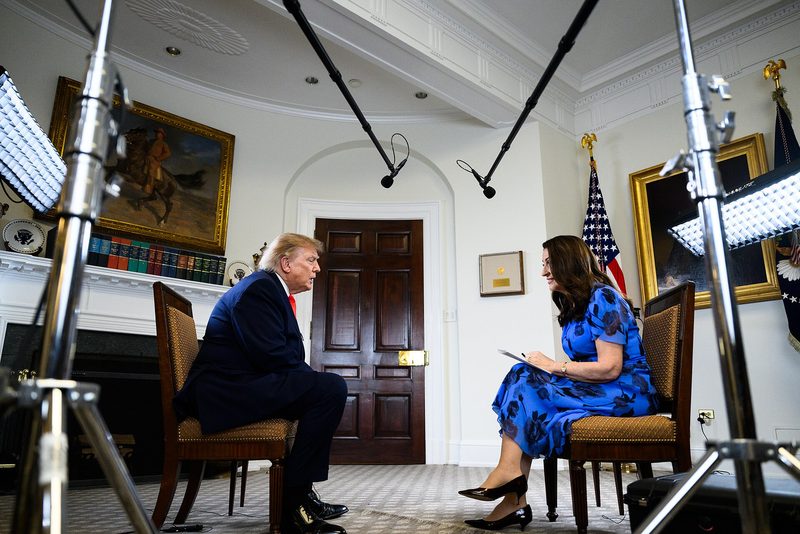
Archive photo · 30 October 2026Trump Says Iran May Develop Chemical or Biological Weapons; Iran Rejects Claims
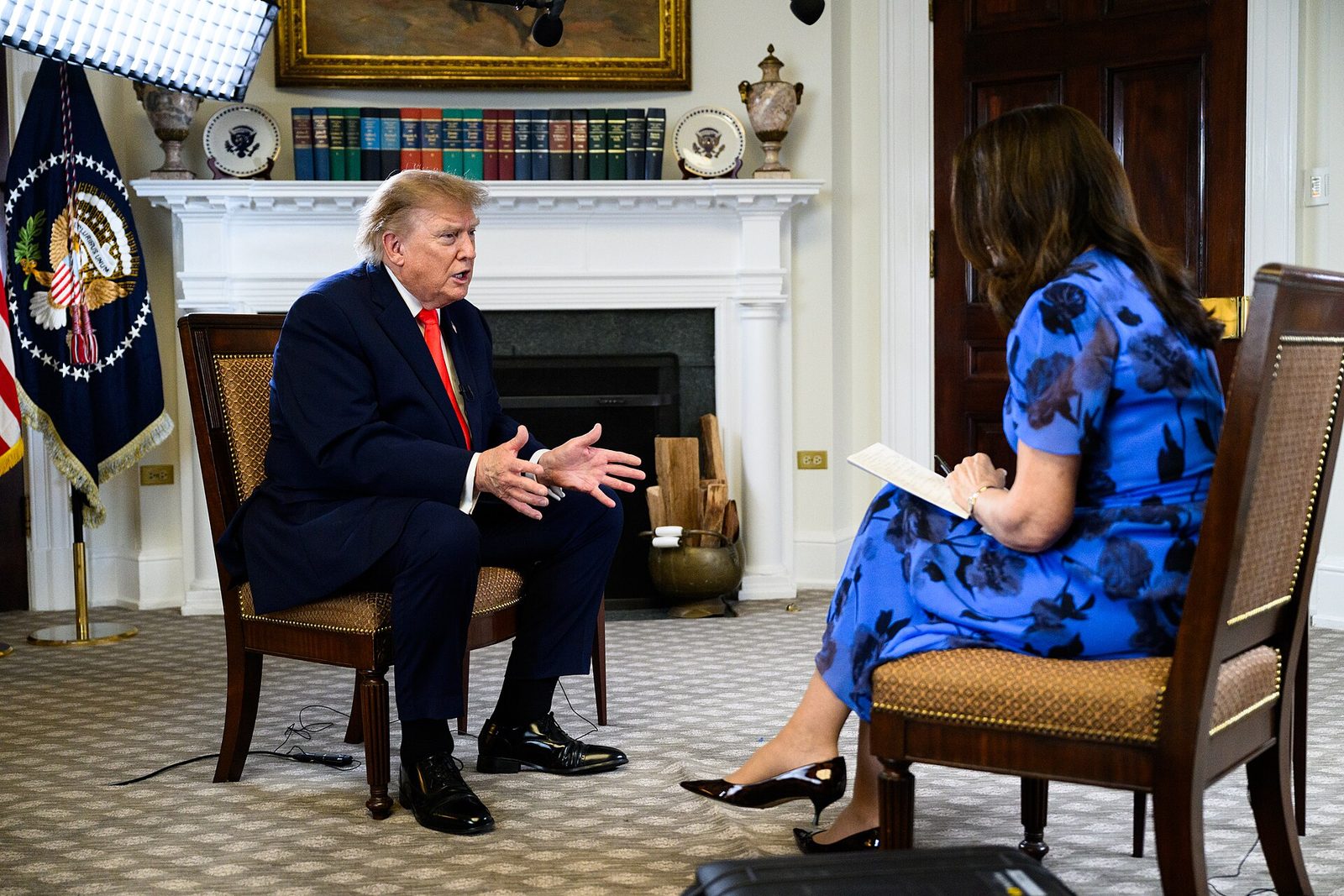
15 West Asian4 Asian3 Other6 Other source typesPhoto: The White House / US federal government, Public domain · Cropped for layout
This article is an automated aggregation of coverage from news outlets. Our editorials offer in-depth analysis curated by the NewsCord team.
Trump says Iran may be developing chemical or biological weapons. Iran rejects the claims, calling them a repeat of Iraq WMD narratives.
Save coverage image
Al Jazeera was read line by line by the Watchdog: 0.0. See the score →
Trump raises bioweapons claims
President Donald Trump told Fox News that there are indications Iran may be working to develop biological or chemical weapons because the United States has shut Iran out of obtaining nuclear weapons. Iran’s Foreign Ministry spokesperson Esmaeil Baqaei rejected the accusations and wrote on X, “After the grand narrative of the 'Iranian nuclear threat,' U.S. officials are now claiming that there are indications Iran is developing biological or chemical weapons!” Baghaei compared the renewed allegations to the lead-up to the 2003 invasion of Iraq, and he asked whether Washington expected the world to forget Colin Powell’s presentation to the UN Security Council.
Baghaei said the allegations keep changing while the narrative remains “disturbingly familiar,” and he linked the dispute to the 2003 intelligence failures he described as political deceptions. Trump also said, “We will see what happens after the beginning of the year,” as he indicated he was “not rushing” into a decision on Iran.
Iran invokes Powell’s vial
Esmaeil Baqaei said the United States was repeating the pattern of unsubstantiated claims that preceded the 2003 invasion of Iraq, and he pointed to Colin Powell’s UN Security Council presentation. Baghaei recalled Powell “held up a small vial as a visual representation of the alleged threat posed by Iraq's weapons of mass destruction,” and he called that moment “an enduring symbol of one of the most consequential intelligence failures and political deceptions in modern history.” Baghaei argued that “Unsubstantiated intelligence claims about Iraq’s possession of WMDs were deliberately weaponised to manufacture public support and pave the way for a military invasion,” and he said the consequences were catastrophic.
The Tehran Times said Baqaei compared the accusations to the false intelligence claims Washington used to justify its 2003 invasion of Iraq. Baghaei also warned that the international community could be drawn into “ominous new allegations” following what he described as “the same fraudulent script.”
War, blockade, and next steps
Iran’s Foreign Minister Abbas Araghchi told reporters in Tehran that “The naval blockade must be broken,” as he linked the issue to resuming oil exports. Araghchi said Iran was making “every possible effort regarding oil exports and negotiations,” and he pressed that the blockade on Iran must be lifted. The Express Tribune reported that Iran closed the Strait of Hormuz on March 2 and that Washington imposed a naval blockade on April 13, significantly disrupting Iran’s oil exports.
Iran’s Foreign Ministry spokesperson Esmaeil Baqaei continued to frame the bioweapons dispute as a replay of the Iraq WMD controversy, and he asked, “The question is: has the world learned anything from the disastrous lessons of 2003, or are we about to let them deceive the public on a grand scale all over again?” A Pentagon official told the Senate Armed Services Committee that the US military campaign against Iran has cost approximately $48.3 billion since the conflict began in late February, and Arthur Miller said the figure included “munitions, equipment replacement costs, and operational costs.”