Iranupdated 38m ago2 min read
Archive photoIran Considers Resuming Oil Exports Despite U.S. Expanded Iran Maritime Blockade
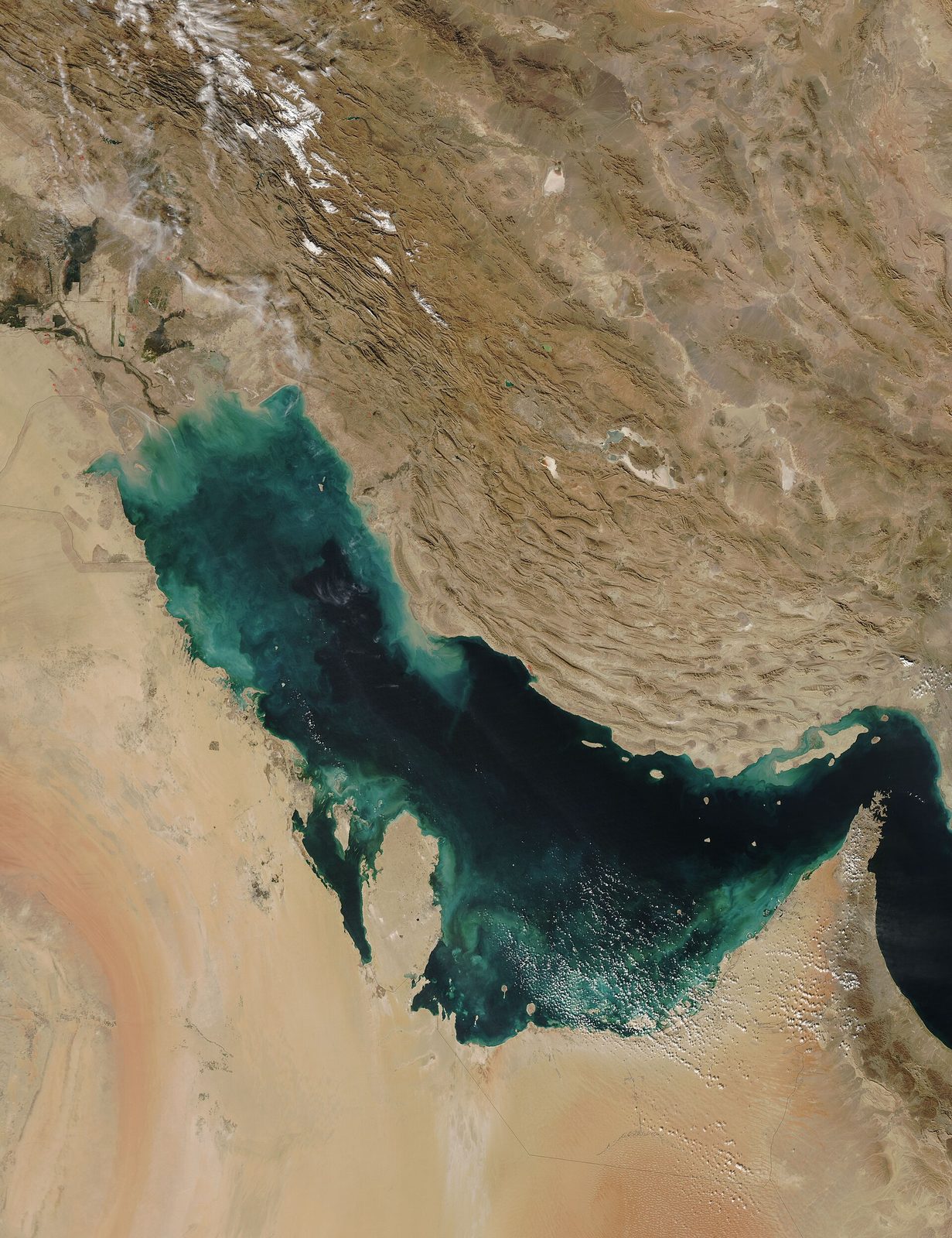
2 West Asian1 Other1 Western Alternative1 Western MainstreamPhoto: NASA / US federal government, Public domain · Cropped for layout
This article is an automated aggregation of coverage from news outlets. Our editorials offer in-depth analysis curated by the NewsCord team.
Iran considers resuming oil exports despite ongoing U.S. naval blockade. U.S. expanded blockade enforcement targets offshore ship-to-ship transfers at sea.
Save coverage image
5 outlets in this story. Read their headlines below.
Outlets did split on AFC Names Alireza Beiranvand 2026 Player of the Year, First Goalkeeper to Win →
Oil exports, timing debate
The Islamic Republic is considering resuming oil exports despite the continued naval blockade, according to Iran International.
Axios reported that U.S. president 28 Aban told Axios in a phone interview from the presidential plane on the way back from China, "I am in no hurry to make any decision [about Iran]. Let’s see what happens after the new year begins."
Axios also wrote that the White House asked the Pentagon and intelligence experts whether any of the attack options could prevent the Islamic Republic’s devastating response against the oil and gas facilities of the Gulf countries.
Axios further reported that Trump is still considering a joint attack with Israel and that the review is expected to intensify after his return from Asia, while Channel 12 reported doubts in Washington about the motivation for Israel’s providing new information.
Channel 12 also reported, citing a U.S. official close to Trump, that the timing of Israel’s presentation of new information about Iran has created doubts in the U.S. government and that raising this information at the current moment appears to have political motivation.
CENTCOM expands blockade enforcement
U.S. Central Command expanded enforcement of its naval blockade by treating ship-to-ship transfers involving cargo loaded in Iran as evading the blockade, according to Marine Insight.
CENTCOM’s update said, "Any ship that receives cargo from a blockaded vessel carrying Iranian-loaded cargo may be treated as evading the blockade."
The advisory warned that vessels that fail to promptly obey lawful directions from blockade or boarding teams could face enforcement measures, which may include the use of force under applicable law, and it cautioned that any delay in compliance could quickly escalate to disabling or destructive fire.
Marine Insight said the update was shared with shipowners and seafarers by the Joint Maritime Information Centre (JMIC) in its advisory note 017-26.
The advisory also said the blockade covers every Iranian port along with the entire Iranian coastline and its oil terminals, and it applies to ships of all flags.
China refineries adapt to loss
Reuters analysis cited by الجزيرة نت said independent Chinese refineries are being forced to buy more expensive oil after being deprived of discounted Iranian crude, pressuring their profit margins and reducing their output. The analysis said the U.S. maritime blockade on shipments of Iranian oil has gradually taken more than 1 million barrels a day out of the market, after Iranian oil had since 2020 been the mainstay of China’s small private-sector-owned refineries known as 'teapots.' Kpler data cited by الجزيرة نت said Iranian oil accounted for 13.6% of China’s total imports in 2025.
The article said independent refineries account for about 30% of China’s refining sector, and it quoted GL Consulting founder and CEO Liao Na saying independent refineries are "under pressure from both sides." The same Reuters analysis said independent refineries in Shandong had an operating rate of 54.7% in the week ending November/Tishreen II 12, compared with less than 50% in the second quarter during the worst supply disruptions.