Iranupdated 23m ago2 min read
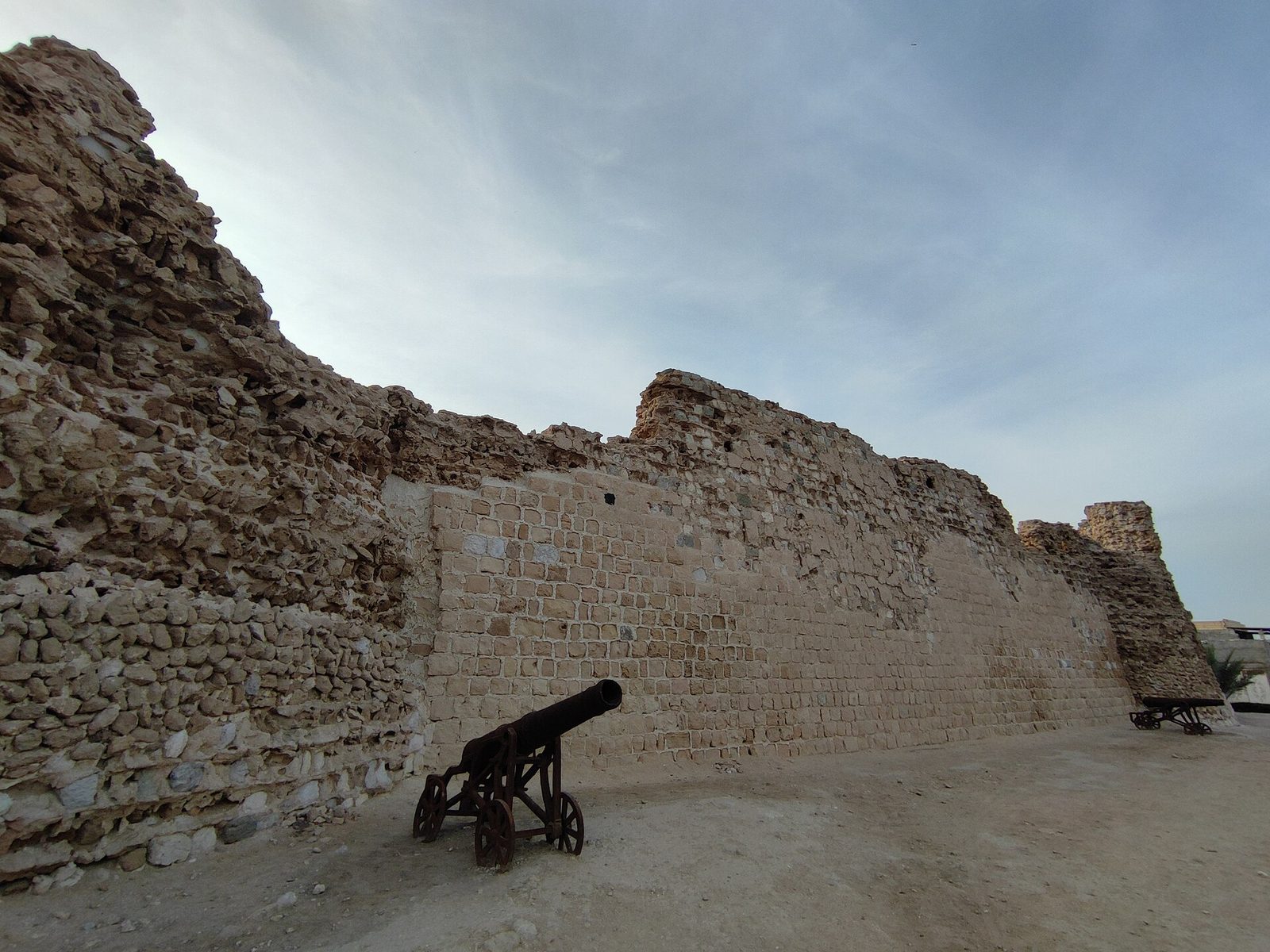
Archive photo · 19 December 2021U.S. Strikes Iran’s Qeshm Island After Iran Targets U.S. Radar in Bahrain
8 West Asian8 Western Mainstream2 Asian6 Other source typesPhoto: ImanFakhri, CC BY-SA 4.0 · Cropped for layout
This article is an automated aggregation of coverage from news outlets. Our editorials offer in-depth analysis curated by the NewsCord team.
US strikes IRGC missile launch site on Qeshm Island in self-defense. Iran attacked Bahrain's radar site with drones, prompting US retaliation.
Save coverage image
New York Post was read line by line by the Watchdog: 7.3. See the score →
Qeshm strike and retaliation
The United States carried out strikes on Iran's Qeshm Island in the Strait of Hormuz after Iran targeted a U.S. radar installation in Bahrain, and a U.S. official described the Tuesday strikes as an act of "self-defense." Bahrain and Kuwait said they intercepted weapons launched in the wake of the Qeshm Island strike, while Iran said it targeted American military facilities at the Ali al-Salem Air Base in Kuwait.
A U.S. official told reporters that the fighter jets used "precision munitions for self-defense" to strike an Islamic Revolutionary Guard Corps missile launch base on Qeshm Island in response to "IRGC aggression targeting U.S. personnel and assets." Iran's official IRNA news agency quoted Hormozgan's deputy governor for political and security affairs Ahmad Nafisi as confirming the U.S. strikes on Qeshm Island but saying they caused no damage to residential, commercial or infrastructure facilities.
Kuwait and Bahrain respond
Kuwait said it activated its air defences to counter drone strikes, and Bahrain said it fended off an Iranian attack early on Wednesday after the U.S. bombed Iran's Qeshm Island. Bahrain's Defense Force Command said its air-defense systems intercepted several Iranian air attacks overnight Wednesday after two warnings by the Interior Ministry, and it added that its air defenses intercepted and destroyed the attacks before they could reach their targets.
Iran's army chief Major-General Amir Hatami said the armed forces were "monitoring the enemy's movements" after a third U.S. aircraft carrier arrived in the Middle East, according to the Fars news agency. The Kuwaiti Foreign Ministry condemned Iran's repeated attacks on Kuwaiti soil and asserted Kuwait's right to take necessary measures to protect its sovereignty, security, and vital installations.
Energy stakes and negotiations
The International Energy Agency warned that the Strait of Hormuz crisis has created the "largest threat" to energy security in history, and it said consumers were increasingly footing the bill as the world runs out of ways to absorb the impact of the conflict on energy supplies.
The IEA said "increasingly it is falling to consumers -- and high prices -- to absorb the impact as other buffers are run down," while the report described the crisis as leaving "lasting marks."
Diplomatic efforts continued alongside the military exchange, with Qatar and Oman mediating as Iranian Foreign Minister Abbas Araghchi met Omani officials in Muscat to discuss protecting maritime corridors and preventing the widening of military confrontations.
U.S. Secretary of State Marco Rubio said he did not believe there was an imminent threat to Washington, after a media report about possible Iranian plans to target American officials using a so-called dirty bomb or chemical weapon.