Iranupdated 15m ago3 min read
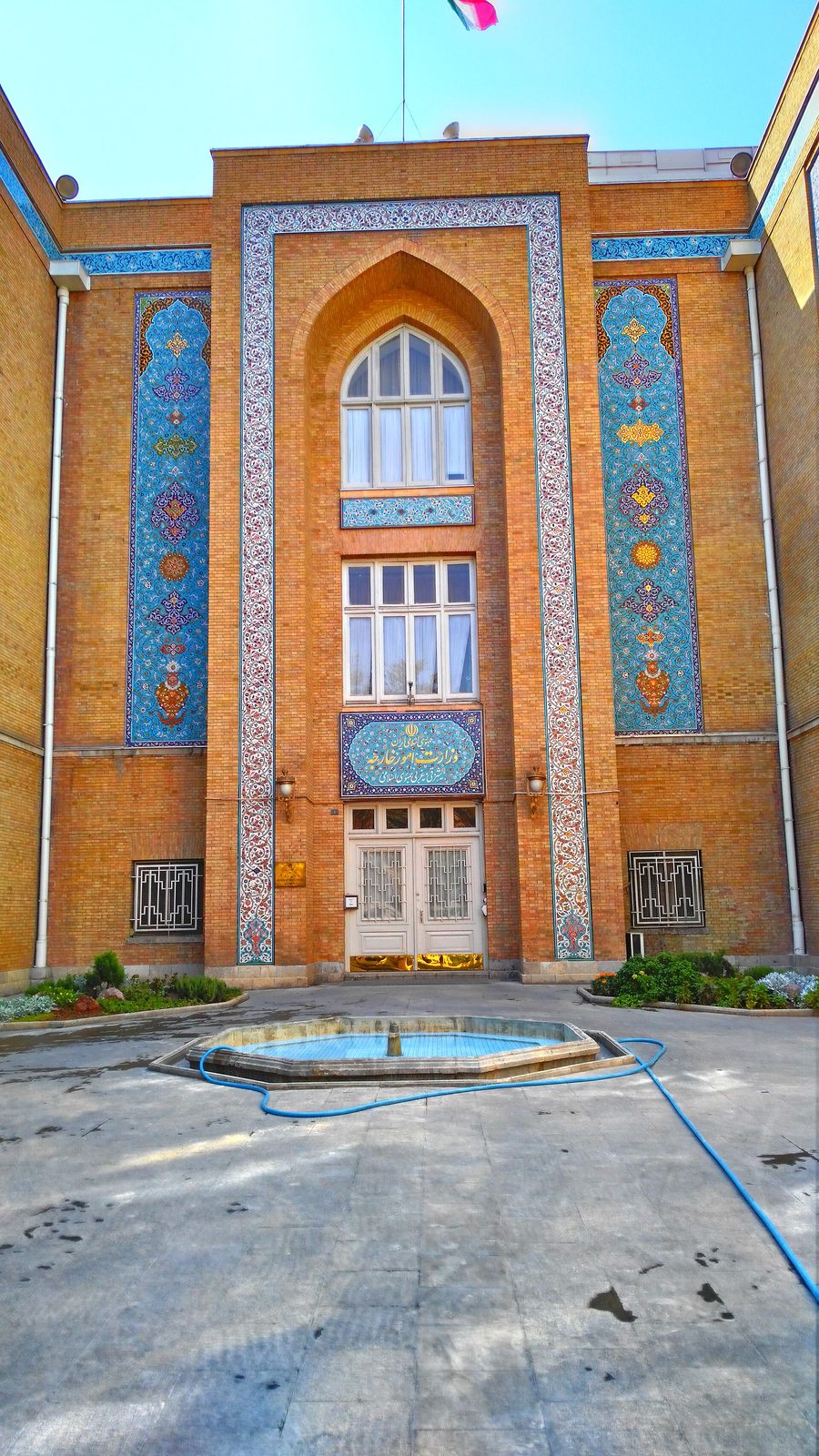
Archive photo · 26 September 2015Iran Foreign Ministry Spokesperson Denounces NYT Claims Linking Dams to Missile Facilities
“Critics fear that portraying dams as potentially serving military purposes could provide a justification for attacking infrastructure essential to millions of civilians.”
“Spatial proximity is not causality.”
Photo: Azadi68, CC BY-SA 4.0 · Cropped for layout
This article is an automated aggregation of coverage from news outlets. Our editorials offer in-depth analysis curated by the NewsCord team.
Iran rejects NYT link between dams and missile facilities as false. Iranian officials warn framing could justify strikes on civilian infrastructure.
Save coverage image
Truthout was read line by line by the Watchdog: 8.2. See the score →
NYT dam link sparks ire
A New York Times investigation about Iran’s dams and water-transfer projects has triggered pushback after the paper suggested some water infrastructure could have been built to support underground missile facilities. Iranian Foreign Ministry spokesperson Esmaeil Baghaei denounced the reporting on X, saying, “The baseless allegations seeking to link Iran’s dams to missile bases constitute yet another example of a malicious campaign to manufacture propaganda and security pretexts aimed at justifying attacks on a country’s vital infrastructure.” The New York Times defended its reporting while acknowledging, “Given the secrecy surrounding Iran’s missile program, any connection between it and Iran’s ambitious, decades-old initiative to develop water infrastructure remains speculative.”
The controversy has unfolded as Washington threatens renewed military action against Iran, after months of war that have already left Iran’s energy facilities, bridges, water infrastructure and other civilian sites damaged. Political analyst Rami Khouri called the NYT report “troubling,” arguing it reaffirmed his concerns about US mainstream media being “complicit in the US-Israeli criminal attacks on Iran.”
Iranian officials threaten dual-use
Iran’s parliament speaker Mohammad Bagher Ghalibaf warned that civilian infrastructure near American or Israeli bases could be treated as dual-use, writing on X that “New rule: Any dam, port, or power plant near an American or Israeli base is dual-use. We will apply its logic consistently and impartially.”
Iran’s Water Sector spokesperson Isā Bazarjazādeh rejected the NYT report’s premise and warned that “threatening Iran’s civil infrastructure and creating a pretext to justify striking it is a dangerous act, and could be classified as a war crime under international law.”
Ghalibaf’s warning came as Iranian media reported that the United States carried out attacks on Qeshm Island, and Ahmad Nafisi, deputy governor of Hormozgan Province, said the attacks caused no casualties or damage to critical infrastructure or public services.
The dispute also drew objections from experts quoted in the NYT investigation, including Kaveh Madani, who wrote on X, “Speculation is not evidence. Spatial proximity is not causality,” and Nima Shokri, who said the proximity of dams to military targets “does not establish why those dams were built, nor does it justify attacks on them.”
The Iranian response framed the dam debate as a justification for striking civilian infrastructure, while the NYT report described the link as speculative due to secrecy around Iran’s missile program.
Experts dispute evidence, stakes rise
Nima Shokri, a water-security expert at Hamburg University of Technology, said the NYT framing did not justify targeting, writing on X that “the proximity of dams to military targets does not establish why those dams were built, nor does it justify attacks on them.” Amir Aghakouchak, a water expert at the University of California, Irvine, echoed that position on X, writing, “Dams and water infrastructure are essential to civilian life and must never become targets of military attacks.” The NYT investigation had cited researchers who observed geographical similarities between dam locations and sites targeted by US and Israeli air strikes, and it described some water and military experts as concluding that “the water projects may have been developed to support the country’s military buildup.”
Kurdistan24 reported that researchers tracked at least 533 dams in Iran and said the link remains unproven, while the NYT itself said the connection between dams and missile facilities remains speculative. As the dam debate intensified, Iranian officials warned that further strikes on civilian infrastructure could trigger reciprocal action, and the controversy added to concerns about damage to water reservoirs, desalination facilities and other civilian sites during the ongoing war.