Iranupdated 1h ago2 min read
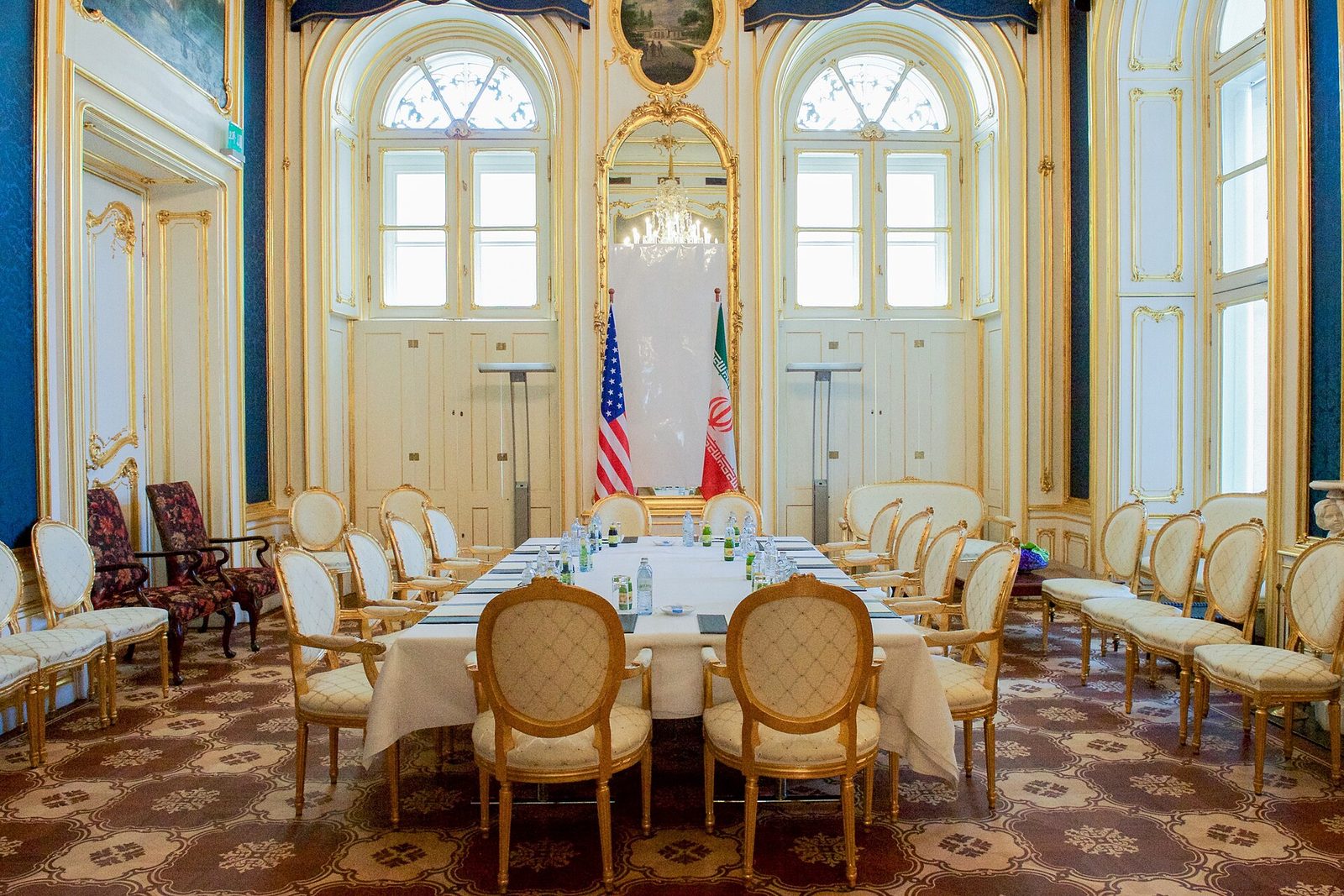
Archive photo · 4 July 2015Iran Hardens Negotiating Stance After U.S. Midterm Elections, Officials Say
3 West Asian1 Other1 Western AlternativePhoto: U.S. Department of State / US federal government, Public domain · Cropped for layout
This article is an automated aggregation of coverage from news outlets. Our editorials offer in-depth analysis curated by the NewsCord team.
Iran tightens negotiating stance toward U.S. after midterm elections. Tehran sees Republican losses as rebuke to Trump-era policy on war.
Save coverage image
5 outlets in this story. Read their headlines below.
Outlets did split on Iran’s UN Mission Rejects New York Times, CNN “Dirty Bomb” Claims, Calls Them Disinformation →
Hardline after elections
Iran’s negotiating stance toward the United States hardened after the midterm elections, with reports citing American, European, and Iranian officials saying Tehran viewed Republicans’ losses as a rebuke to the Trump administration over the war.
Vice President Joe D. Vance and several prominent Republicans said the war contributed to the party’s defeat, and President Trump excluded Vance from the negotiating team and told him to focus on domestic issues.
American and European officials differed on how serious Iran is about seeking talks to end the war that the United States and Israel launched more than eight months ago.
U.S. officials said intelligence agencies indicate Iran remains open to a deal if the United States allows Tehran access to billions of dollars of Iranian assets frozen abroad, while other officials said Iran drafted plans to escalate the war to force the United States back to the negotiating table.
Demands, assets, blockades
Kamran Ghazanfari, a member of the Islamic Consultative Assembly, attacked the Iran-U.S. negotiations and said, “Those who defend negotiating with the Americans must first answer this question: have negotiations by various governments with the United States in the past four or five decades, especially in the last two decades, produced any result that benefits the Iranian people.” Ghazanfari said negotiators declared their aim was to lift sanctions imposed on Iran, but he said they did not succeed in lifting even a single sanction and that “dozens of new sanctions were also imposed on the country.”
Ghazanfari also said negotiators announced the return of Iran’s blocked funds, but he said that “about one billion dollars of our digital assets were seized by the Americans two months after the talks began.” The same criticism tied negotiations to pressure, as Ghazanfari said the United States imposed a naval blockade after talks began and later imposed an air blockade and a land blockade.
Talks versus escalation
Jim Himes, a Connecticut Democrat who will chair the House Intelligence Committee next year, said Iranian officials have a deep understanding of U.S. policy and warned, “This trapped animal may seek to negotiate, but I also believe it is more likely to resort to violent means, perhaps in the interest of negotiating.” Himes described military pressure and financial sanctions as sharply reducing Iran’s imports and causing “severe economic hardship,” while other officials debated whether another round of military strikes could push the Iranian economy toward collapse.
Indirect negotiations continued as Iran’s chief negotiator ابارس اعراقجي (Abbas Araghchi) was in Pakistan on Sunday and visited Oman on Monday, with both countries described as mediator countries. The stakes in the sources centered on whether diplomacy can produce an agreement or whether field developments and ongoing threats push Iran and the United States toward military confrontation again.