Iranupdated 27m ago2 min read
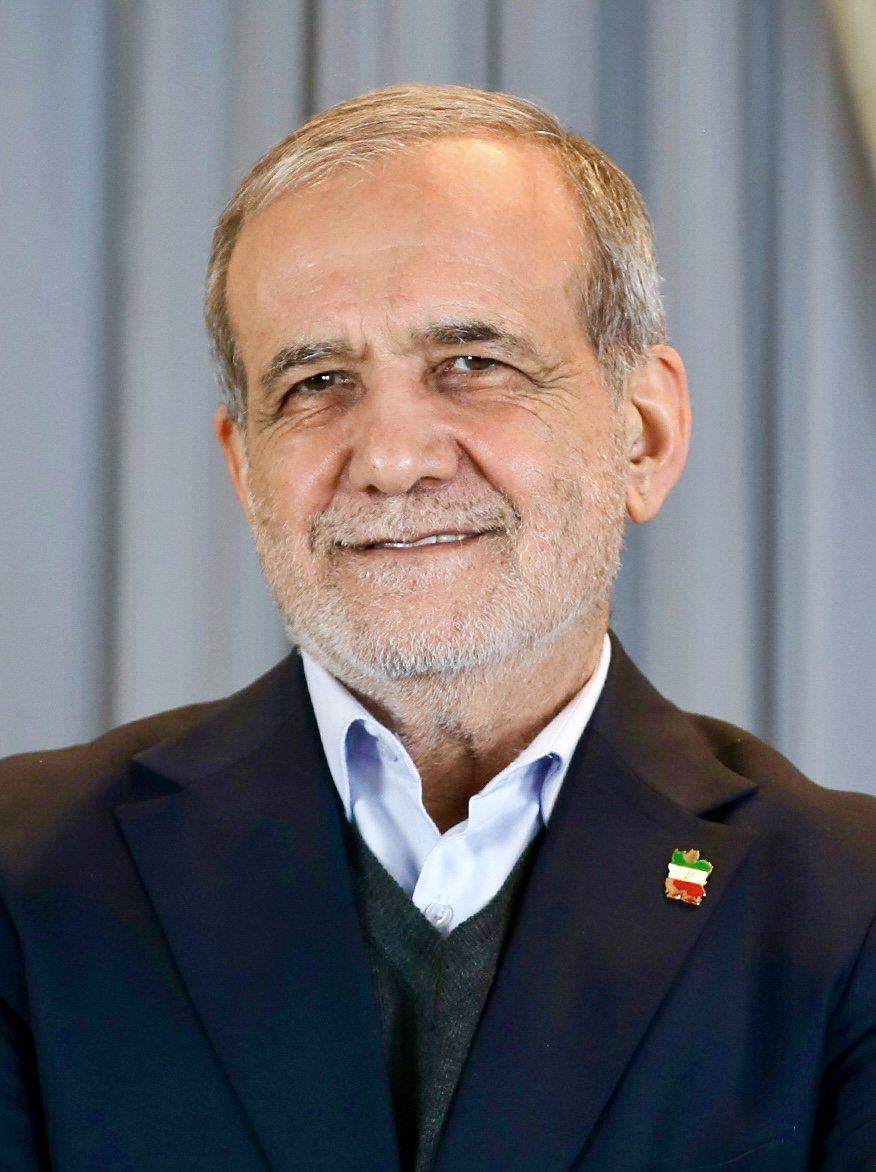
Archive photo · 27 December 2025Masoud Pezeshkian Says Iran Faces Silent Economic War Tougher Than Missile War
2 West Asian1 Asian1 Other1 Western AlternativePhoto: Khamenei.ir, CC BY 4.0 · Cropped for layout
This article is an automated aggregation of coverage from news outlets. Our editorials offer in-depth analysis curated by the NewsCord team.
Iran faces a silent economic war tougher than missile conflict. The pressure is US-driven and aims at Iran's production and markets.
Save coverage image
5 outlets in this story. Read their headlines below.
Outlets did split on IRGC Aerospace Force Unveils Dual Liquid-Fuel Missile Launcher During Underground Facility Visit →
Tehran Times was read line by line by the Watchdog: 6.0. See the score →
Pezeshkian’s “silent war”
Iran’s President Masoud Pezeshkian said on Saturday that Iran is facing a "silent economic war" that is "tougher than a war in which missiles are launched," as he spoke at a meeting of investors and producers in Tehran.
Pezeshkian told the meeting that "We are in a silent war, which is much more difficult than a war in which missiles are launched and destruction is carried out," according to Iran’s state-run news agency IRNA.
Pezeshkian said bullies and oppressors had "intended to bring down our country," and he commended businesses for navigating difficult market conditions.
Pezeshkian added that Tehran was working to avoid power cuts during the winter, and he said industrial and manufacturing facilities should be the last sectors to be hit by energy restrictions.
Pezeshkian’s remarks came as the US and Israel launched a war against Iran on Feb. 28, and as fighting between the parties has flared intermittently since July amid continuing efforts to end the war.
US, Israel, and Hormuz
Iran’s President Masoud Pezeshkian said Saturday the country is engaged in a "silent" economic war waged by the United States, and he argued the enemy failed in attempts to cause famine or domestic goods shortages.
Iranian interior ministry spokesman Ali Zeinivand said Saturday US naval blockades, land, and aerial restrictions failed to halt trade transactions.
The US and Israel launched a war against Iran on Feb. 28, Tehran responded by attacking Israel and US military facilities in Arab countries.
Washington and Tehran signed a framework agreement in June and began negotiations, which later stalled amid disagreements over how to ensure safe and free navigation through the Strait of Hormuz.
The war on Iran added to market uncertainty as the strait of Hormuz is closed, and it linked the waterway to a significant share of the world’s oil and liquefied natural gas supplies.
Markets, electricity, and risk
Global markets suffered another sharp decline on Friday, and US stocks recorded their steepest weekly losses in more than 18 months. Brent crude settled at $92.57 a barrel, up 0.64%, while US West Texas Intermediate rose 0.93% to $83.98, and high energy prices made it harder for the US Federal Reserve and other central banks to control inflation. Tehran Times said Pezeshkian reaffirmed his administration’s commitment to supporting the productive sector, emphasizing a more reliable supply of electricity and natural gas, and it said he stressed that industrial and production units should be the last sectors to face energy restrictions.
Fighting between the parties has flared intermittently since July amid continuing efforts to end the war, and it framed the economic pressure as part of a broader conflict that includes negotiations over safe and free navigation through the Strait of Hormuz. Mehr News Agency said the war on Iran added to market uncertainty as the strait of Hormuz is closed, and it linked the waterway to a significant share of the world’s oil and liquefied natural gas supplies.