Iran28 August, 20263 min read
Iran Foreign Minister Abbas Araqchi Says U.S. Economic Pressure Not Working, Calls for Diplomacy
This article is an automated aggregation of coverage from news outlets. Our editorials offer in-depth analysis curated by the NewsCord team.
Araqchi says diplomacy remains possible if US recognizes economic pressure is failing. Iran argues U.S. sanctions constitute state terrorism and seeks international support to resist.

Al Jazeera was read line by line by the Watchdog: 6.3. See the score →
Diplomacy Hinges on Pressure
Six months after the United States and Israel launched their coordinated military campaign against Iran on February 28, Iranian Foreign Minister Abbas Araqchi said diplomacy with Washington could still get back on track if the U.S. recognizes economic pressure is not working.
Araqchi said after talks with Qatar’s prime minister and foreign minister that Washington needs to build trust, speak respectfully, recognize Iran’s rights and honor its commitments, and he described the talks as “creative” while renewing his appeal to stop “military and economic pressure.”
The Reuters account of the same period says mediators stepped up efforts to reopen the Strait of Hormuz, which handled 20% of world oil supplies before the war began six months ago.
Reuters also reported that the U.S. Treasury Department announced additional targeted Iran-related measures and that Trump’s administration warned countries to cut their business ties with Iran or face secondary sanctions as part of an “economic D-Day.”
In response, Iran’s foreign ministry condemned the new U.S. economic sanctions as “state terrorism” and said other countries were legally obliged not to implement them.
Financial Offensive and Reactions
The U.S. financial offensive described by BBC News centers on Treasury Secretary Scott Bessent’s “economic D-Day” framing, with sanctions covering digital assets, technology, gold, aviation, and sea transport, and with Bessent saying any country that forms financial partnerships with Iran will be isolated.
BBC News also quotes Iran’s economy minister, Ali Madanizadeh, describing the sanctions as “the same old speech” and assuring that Iran was prepared for “any scenario.”
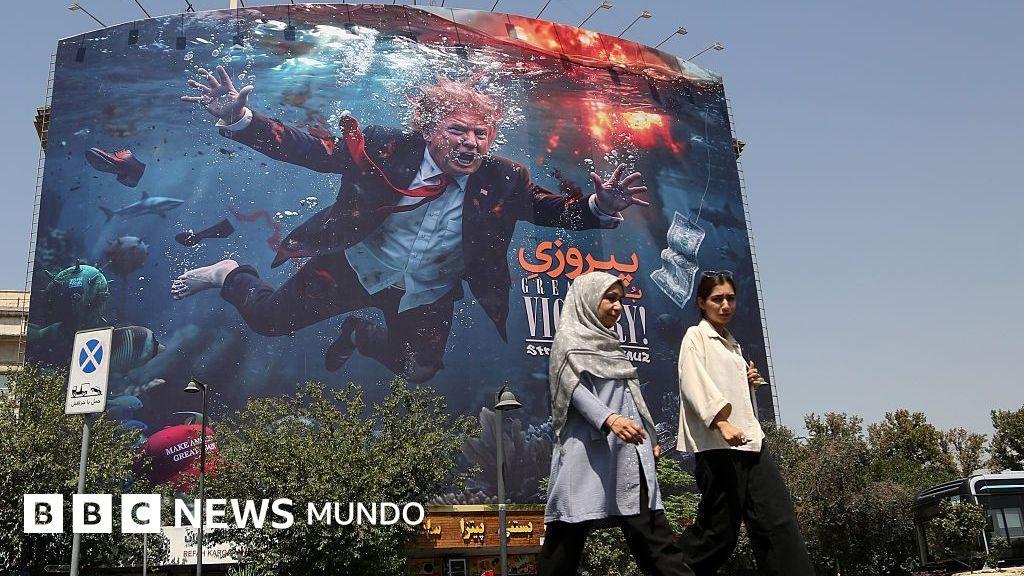
In a separate Reuters report, Iran urged other nations not to join new U.S. sanctions while mediators focused on reopening the Strait of Hormuz, and Reuters said the U.S. Treasury Department announced additional targeted Iran-related measures.
Reuters further reported that a U.S. official told Reuters the Trump administration plans to impose limits on Egypt's Banque Misr by revoking U.S. financial access to its branches in the United Arab Emirates.
Iran’s Foreign Ministry statement on Friday said all countries were obligated under international law to refrain from implementing U.S. sanctions against Tehran, adding that participation amounted to complicity in imposing one state’s unlawful will on independent states.
Strait, Oil, and Escalation Risks
As the economic pressure campaign intensifies, CNBC reported that Iranian crude oil exports have plunged in August, with Tehran having loaded about 260,000 barrels per day for export at its ports so far this month, a decline of more than 80% compared with 1.7 million bpd in August 2025. CNBC also said the U.S. military has redirected 75 commercial ships, disabled three vessels and boarded two as of Thursday to enforce compliance with the blockade, citing Central Command. Reuters tied the diplomatic track to the Strait of Hormuz, saying it remains the biggest obstacle to a peace deal and that it handled 20% of world oil supplies before the war began six months ago.
The BBC analysis warned that pressure could become much more serious if Washington manages to close the channels that survived earlier rounds of sanctions, particularly those involving China and Iran’s neighboring countries. Iran’s Foreign Ministry condemned the new U.S. measures as a “crime against humanity” that put the health and livelihood of millions of civilians at serious risk, and it called on other nations and United Nations bodies to uphold the rule of law.