Iranupdated 1h ago2 min read
Iran Reviews US Negotiation Proposals as Pakistan and Qatar Keep Mediating Messages
This article is an automated aggregation of coverage from news outlets. Our editorials offer in-depth analysis curated by the NewsCord team.
Iran is reviewing U.S. negotiation proposals while mediators Pakistan and Qatar continue exchanges. Iran reiterates seven preconditions for Hormuz remain unchanged for any talks.

Anadolu Ajansı was read line by line by the Watchdog: 2.4. See the score →
Mediators, preconditions, stalemate
Iran’s Foreign Ministry said the exchange of messages with the United States through mediators continues as Tehran reviews US proposals for negotiations.
Foreign Ministry spokesman Esmaeil Baqaei said Pakistan and Qatar continue to play a mediating role and that “We are reviewing the Americans’ proposals for negotiations. Iran’s preconditions must be observed for any negotiations,” he added.
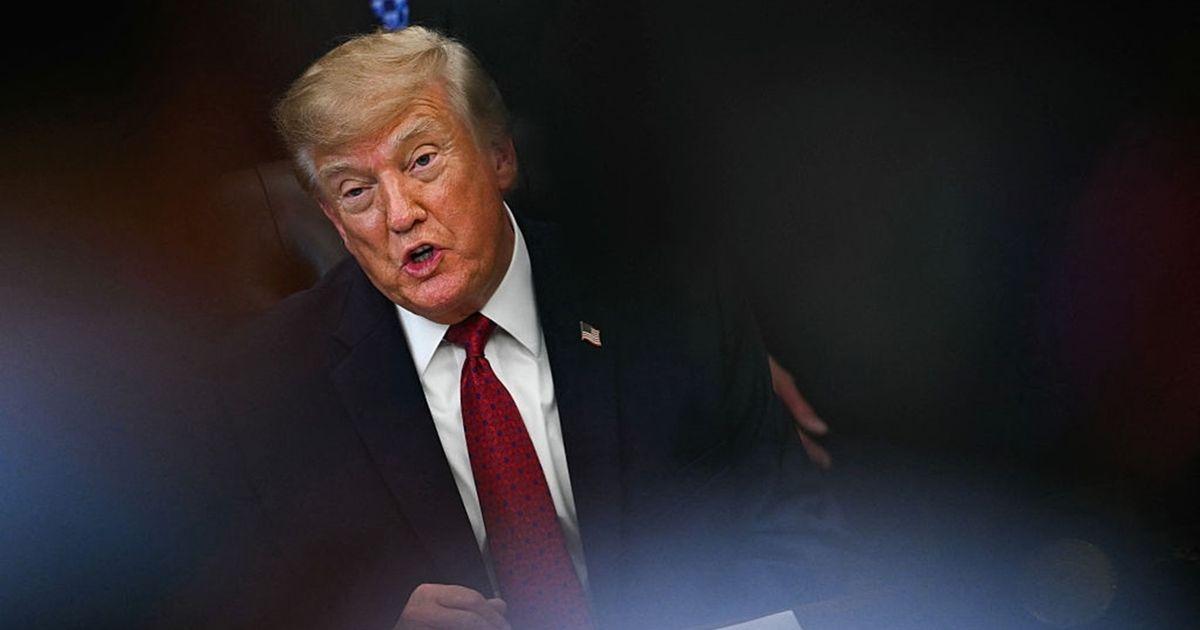
Ba qaei also said Iran’s position on the Strait of Hormuz remains tied to its seven conditions, and he rejected suggestions that Tehran’s actions were intended to create negotiating leverage.
Ba qaei attributed developments in the Strait of Hormuz to “the direct result of the US and the Israeli regime’s attack on Iran,” and he said “With the current US approach, security will not return,”.
The remarks framed the talks as ongoing but constrained by incompatible demands, with Farhat later describing the crisis as entering “a phase of extreme complexity” after the “double blockade of the Strait of Hormuz.”
Trump warnings and election
Dr. Mohammed Fayez Farhat said President Donald Trump’s warning about possible Iranian movements before the midterm elections reflects US fears of not being able to resolve the Iranian file before the elections.
Farhat said decision-making in the United States is “greatly hindered once the election phase begins,” especially on foreign files involving the use of military force.
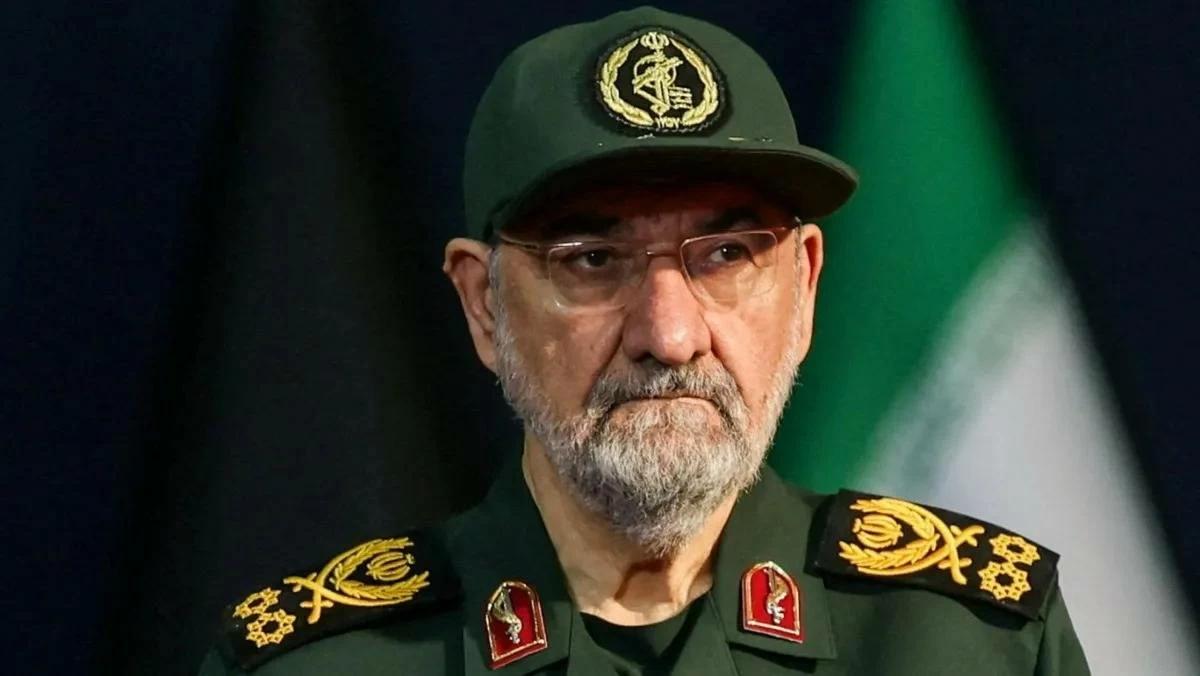
Farhat added that the statement reflects an indirect American desire to halt Iran from carrying out any military operations during this period so as not to affect the position of the Republican Party in the elections.
In parallel, the Iranian Foreign Ministry spokesman Esmaeil Baqaei said Iran’s preconditions must be respected for any negotiations, while he rejected US assertions that Iran had lost its leverage.
Baqaei argued that “energy markets were not responding to Washington’s assertions,” and he said “They can say Iran has lost its leverage, but we are doing our work.”
Hormuz dispute and next steps
Iran’s Foreign Ministry said the Strait of Hormuz dispute remains a central obstacle to diplomatic progress, with Tehran linking changes in maritime arrangements to fulfillment of US commitments.
In a separate press conference in Bandar Abbas, Iranian Deputy Foreign Minister for Legal and International Affairs Kazem Gharibabadi described the strait as an integral part of Iran’s national security and said Tehran reserved the right to take measures it considered necessary to protect its security.
Gharibabadi said the arrangements announced by Iran prohibit warships from transiting the waterway, while commercial vessels may pass after completing required coordination with Iranian authorities.
The Diplomatic Insight also reported that Iran’s proposal to Washington included commitments outlined in a memorandum of understanding, and the ministry said it would inform mediators once it reached a conclusion regarding the US response.
At the same time, Dr. Khaled Shniqat said the conflict had entered a phase of quietness or limited escalation, and he argued that a large-scale American operation may be postponed until after the midterm elections.