Climateupdated 1h ago2 min read
Abbas Araghchi Warns US and Israeli Attacks on Iran’s Energy Facilities Threaten Public Health
This article is an automated aggregation of coverage from news outlets. Our editorials offer in-depth analysis curated by the NewsCord team.
Attacks on Iran’s oil, nuclear, energy facilities create environmental hazards and public-health risks. Iran seeks international accountability and stronger legal mechanisms for wartime environmental destruction.
10 outlets told this the same way.
Ecocide and public health
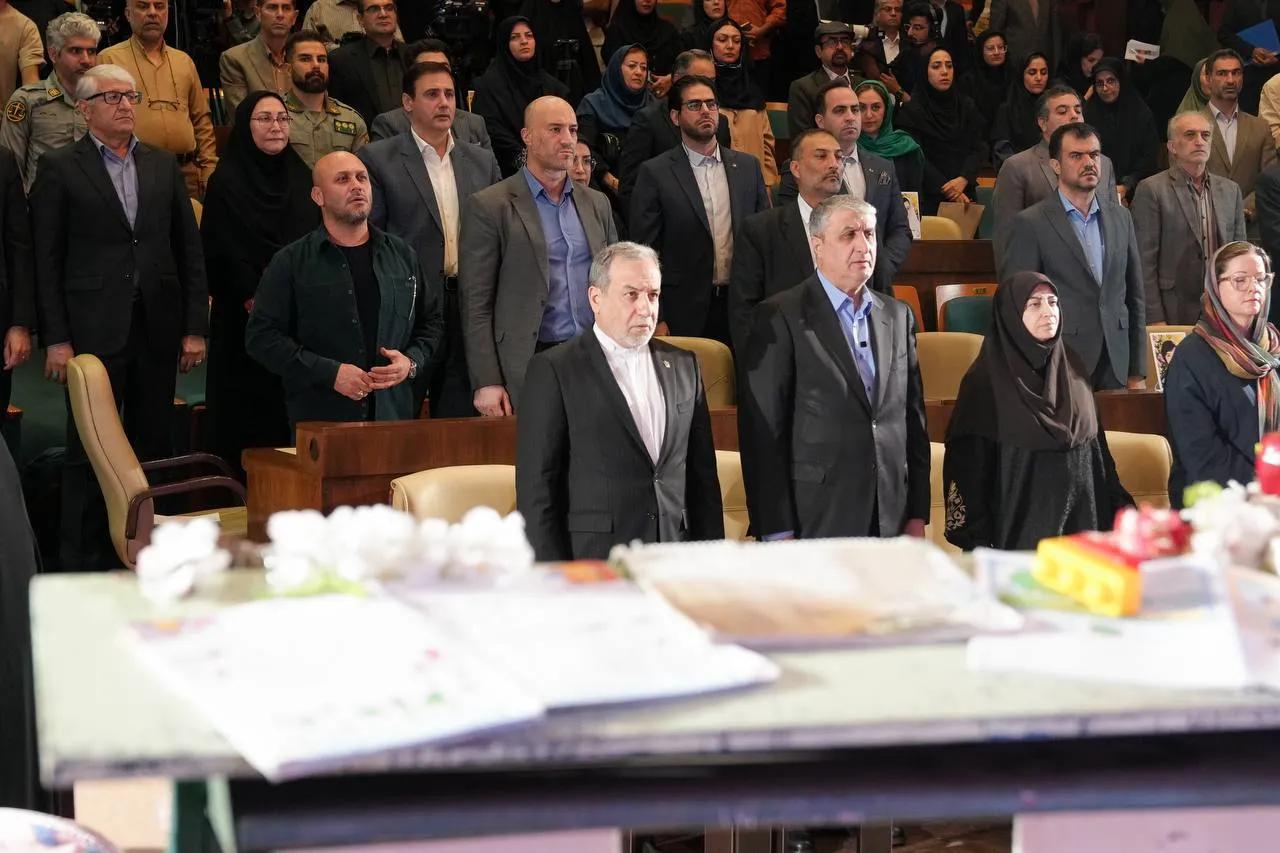
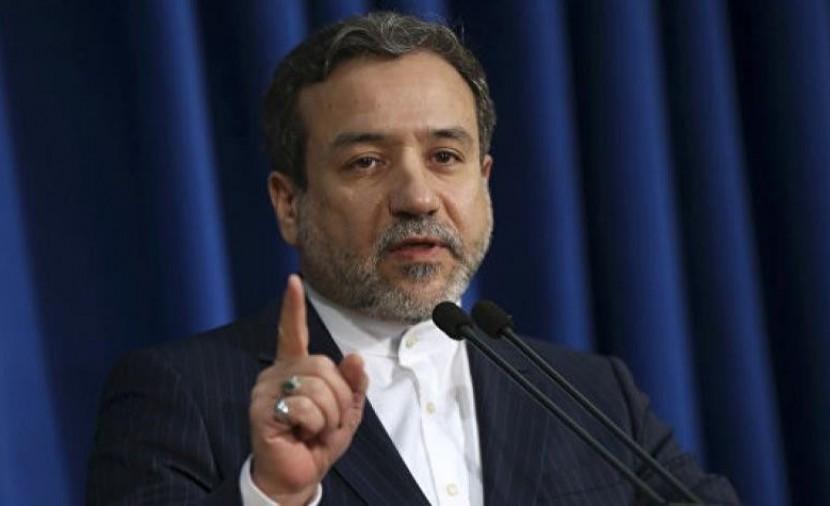
Iranian Foreign Minister Abbas Araghchi warned that American and Israeli attacks on Iran’s oil, nuclear, and energy facilities caused major environmental hazards, warning of their consequences for the environment and public health. Araghchi spoke at an international conference titled “Silent War Crime: Ecological Genocide” in Tehran, where he said the concept of ecological genocide goes beyond war crimes committed against the environment to include the destruction of nature. Araghchi said targeting oil facilities, refineries, and energy infrastructure, along with nuclear facilities, left serious environmental risks, and he described attacks on nuclear facilities as a crime under international law.
Araghchi also linked peace, security, the environment, health, and climate change by saying the interconnection must be addressed, and he said Iran was ready for international cooperation in environmental protection. Araghchi pointed to a timeline in which “On February 28 of last year, the United States and Israel began a war on Iran,” which Tehran says killed thousands of martyrs.
Legal accountability and COP31
Araghchi told the international conference “Ecocide: the Silent War Crime” in Tehran that the environment is humanity's shared heritage, not an arena for rivalries or a victim of short-term economic and military calculations. Araghchi argued that war damages water, soil, air, forests, farmland, energy resources, natural habitats and biodiversity, with effects that can last for years or decades after fighting ends. Araghchi said Iran supports recognising ecocide as an independent international crime and called COP31 a suitable opportunity to draw global attention to the environmental effects of military attacks.
Araghchi said, “We must not allow aggressors to escape responsibility for their criminal actions,” and he urged three axes of international cooperation. Araghchi called for strengthening legal frameworks and clear criteria for identifying and addressing severe environmental destruction, and he said Iran supports scientific and impartial mechanisms to document damage from armed conflict.

UNEP cited, Gaza and Lebanon
Araghchi cited UNEP reporting on Gaza, where he said there was unprecedented damage including destruction of olive groves and contamination of water and soil. Araghchi also cited Lebanon, where he said fires destroyed forests and tens of thousands of olive trees, and he said the environmental effects were tied to armed conflict. Araghchi said UNEP confirmed in March 2026 that attacks on oil facilities released hazardous compounds, recalling the “black rain” over Tehran.
Araghchi warned that the environment should not become a tool of political pressure or a victim of short-term economic and military interests, and he called for holding those responsible for environmental damage accountable. Araghchi said the interconnection between peace, security, the environment, health, and climate change requires international cooperation to prevent destruction, rebuild ecosystems, and support affected countries.