Technology and Science · updated 3h ago · 3 min read
Holei Sea Arch Collapses Into Pacific Ocean After Tropical Storm Nolo In Hawaii Volcanoes National Park
Hōlei Sea Arch, 27-meter lava arch in Hawaii Volcanoes National Park, collapsed Sept 23–27, 2026. Formed about 550 years ago from lava flows along the Big Island coast.
27 outlets told this the same way.
2 of 3 outlets skipped it: USGS describes the arch as differential erosion by ocean waves..
27outlets compared
Holei Arch Falls
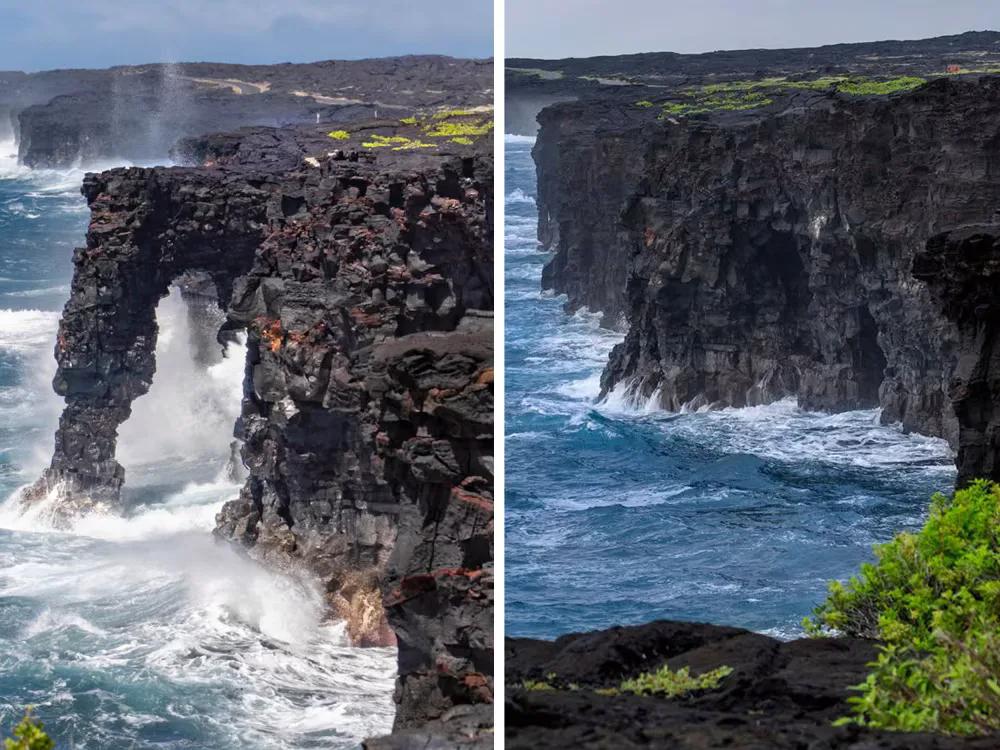
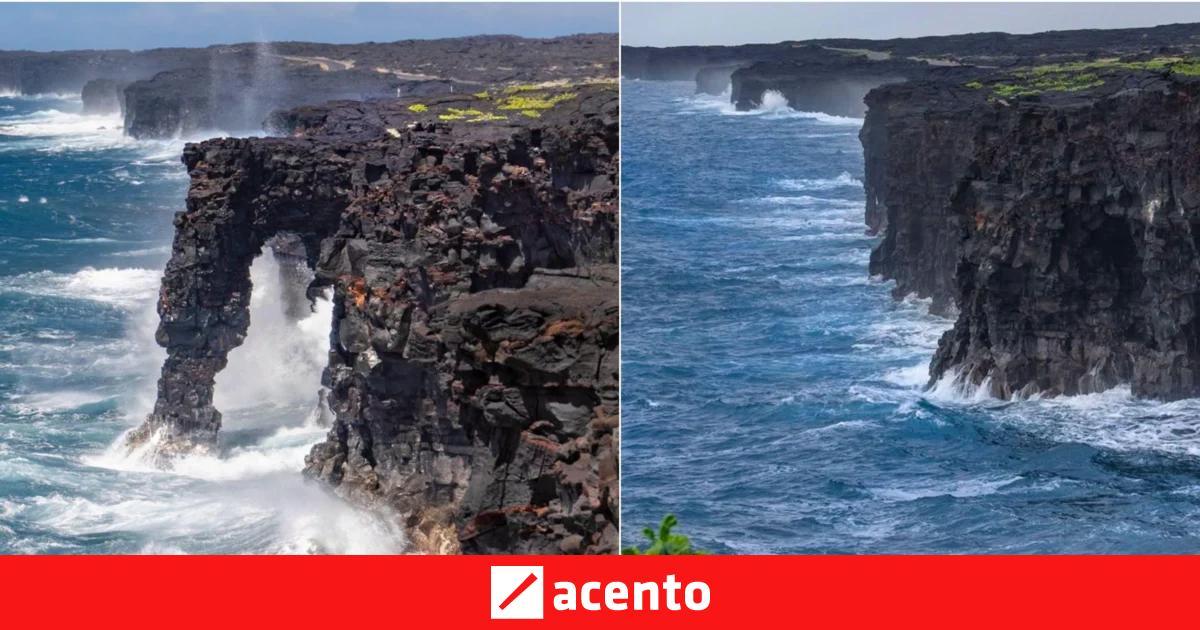
The Holei Sea Arch collapsed into the Pacific Ocean in Hawaii Volcanoes National Park, the National Park Service said, ending a landmark that had towered over the Pacific Ocean for more than five centuries. The arch was about 27 meters high and was located on the southern coast of the island of Hawaii, and the park said it was still in place as recently as September 23 but had already collapsed by the evening of September 27. The National Park Service said the exact time of the collapse is unknown and could have occurred during the period when the park was temporarily closed because of tropical storm Nolo.
The collapse followed years of coastline instability, and the park said the cliffs were damaged during the earthquakes that accompanied the 2018 eruption of Kilauea and later heavy surf destroyed part of the arch's base. The arch formed approximately 550 years ago as a result of the erosion of an ancient lava flow, creating a natural vault as waves gradually washed away volcanic rock.

Storm Timing and Warnings
Hawai'i Volcanoes National Park said in a social media post that "The exact time of the collapse is unknown and could have occurred when the park was temporarily closed during Tropical Storm Nolo," linking the fall to the storm closure window. CBS News reported that Nolo reached winds of 155 mph and moved past Hawaii's Big Island, bringing heavy rain and winds to the state last week. The National Park Service warned visitors to stay away from the site because it is unstable and presents a serious falling hazard, and it said "Photos on social media show people entering the closed area" near where the sea arch once stood.
The National Park Service also described the collapse as "the latest transformation of the park's remote and rugged coastline," and it said the formation is beautiful but temporary with a limited life span. The park administration urged visitors not to approach the edges of unstable coastal cliffs after the collapse, repeating that the coastline in this area had shown signs of instability for several years.
What Comes Next
The National Park Service said the Holei Sea Arch collapse marked "the latest transformation of the park's remote and rugged coastline," and it framed the event as part of ongoing change along a wave-swept coast.
The National Park Service warned that the arch's collapse and the surrounding instability put both visitors and first responders at risk, saying people were "putting themselves and first responders at great risk of falling and drowning" off the rough, wave-swept coast.
The U.S. Geological Survey said the arch is a product of "differential erosion by ocean waves" and described how the ocean works to remove material along cracks and weaker sections of basalt rock.
The U.S. Geological Survey added, "Every day the ocean crashes against the pillar of the arch, eroding it a little more," and it said "One day, it will be gone."
The National Park Service also said in 2021 that "This formation is beautiful, but temporary, and has a limited lifespan," and it warned that the sea arch would eventually crumble into the sea while others replace it as the cliff slowly retreats inland.