Climateupdated 1h ago3 min read
MapPeru’s Environment Minister Vladimiro Huaroc Urges COP31 Climate Finance to Deliver Results
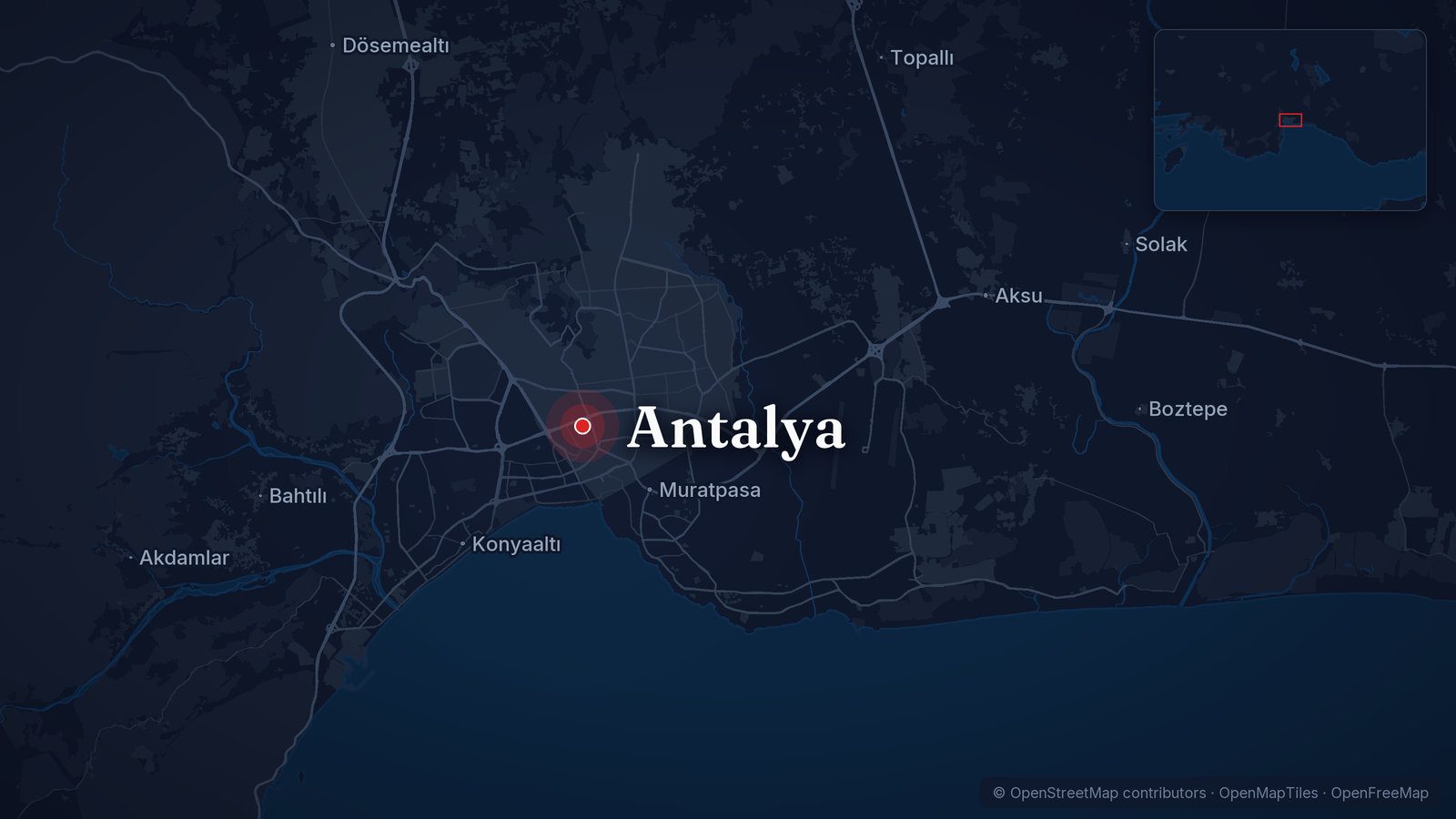
10 Other2 West Asian2 Western Mainstream4 Other source typesMap: © OpenStreetMap contributors, ODbL · Cropped for layout
This article is an automated aggregation of coverage from news outlets. Our editorials offer in-depth analysis curated by the NewsCord team.
Peru urged turning climate commitments into investments benefiting the most vulnerable populations at COP31. Environment Minister Vladimiro Huaroc urged international financing to deliver results for vulnerable countries.
Save coverage image
18 outlets in this story. Read their headlines below.
Outlets did split on COP31 Draft Urges Immediate Fossil-Fuel Exit, Targets 35% Electrification by 2035 →
COP31 pushes for action
Peru’s Environment Minister Vladimiro Huaroc told the High-Level Segment of COP31 in Antalya, Turkey that the international community should “May this conference mark the transition from declarations to decisions, and from decisions to concrete results,” as he warned that El Niño and climate change threaten floods, droughts, wildfires, and glacier retreat. Huaroc said climate action also offers an opportunity to create jobs, attract investments, and promote sustainable economic activities, and he highlighted biodiversity and carbon markets as tools for community development and forest conservation. The World Food Program’s Richard Choularton said only 2% of global crisis financing was arranged in advance, arguing that countries with the least institutional capacity struggle to access climate finance to anticipate and reduce the impact of climate-related shocks.
Choularton said 266 million people were experiencing acute hunger and that around 88 million of them faced food crises last year primarily due to extreme weather events, with El Nino affecting communities through severe droughts, floods and changing storm tracks. Choularton added that “We need much more to be able to really anticipate and reduce the impact of these shocks,” positioning COP31 as a chance to focus on where climate finance is allocated and when it becomes available.
Finance gaps and pledges
Belgium’s climate commitments at COP31 included pledges of 50 million euros for climate adaptation in least developed countries, with the GEF describing them as “the first contributions to these two adaptation funds for the 2026-2030 period.”
The GEF statement said the Least Developed Countries Fund provides grant-based support to the world’s 44 least developed countries, and it framed adaptation finance as central to negotiations at COP31.
Richard Choularton said “We need much more” anticipatory action, describing how WFP tested the approach during the 2015-2016 El Nino event and later expanded programs to operate in over 50 countries, triggering in 18 and supporting 1.5 million people.
Choularton argued that early warning systems must connect to early action systems, and he said countries with the highest food insecurity are often the ones with the least institutional capacity to access climate finance.
Rachel Cleetus, climate program director at the Union of Concerned Scientists, said “Climate finance is not an abstract thing. It’s what countries need to be able to transition away from fossil fuels,” while also describing the funds on offer as “pennies.”
Who gets resources next
Peru’s delegation said Minam and the Ministry of Economy and Finance will jointly present a Climate Finance Strategy at COP31 to mobilize public, private, and international cooperation resources to meet Peru’s climate commitments, while promoting the use of official climate information by the financial system to improve risk assessment and guide sustainable investments. Huaroc said the measure of success would be whether verifiable funds reach fire prevention, alert systems, and adaptation in the regions, and he tied the push to a national environmental education campaign announced by Minam. In parallel, the African Group of Negotiators on Climate Change, represented by Nana Antwi-Boasiako Amoah, said Africa wants grant-based or highly concessional finance rather than loans that could add to countries’ debt burdens, warning that “A just transition that is not financed is injustice.”
Amoah said Africa’s priorities at COP31 include stronger adaptation finance and sufficient funding for developing countries to implement climate action, and he described the COP presidency as calling COP31 an “implementation COP.” Chile’s Minister Francisca Toledo told the COP31 plenary that “without funding there is no implementation,” and she said preliminary results from Chile’s Second Biennial Transparency Report showed national emissions fell by 5.1% between 2022 and 2024.