Climateupdated 16m ago3 min read
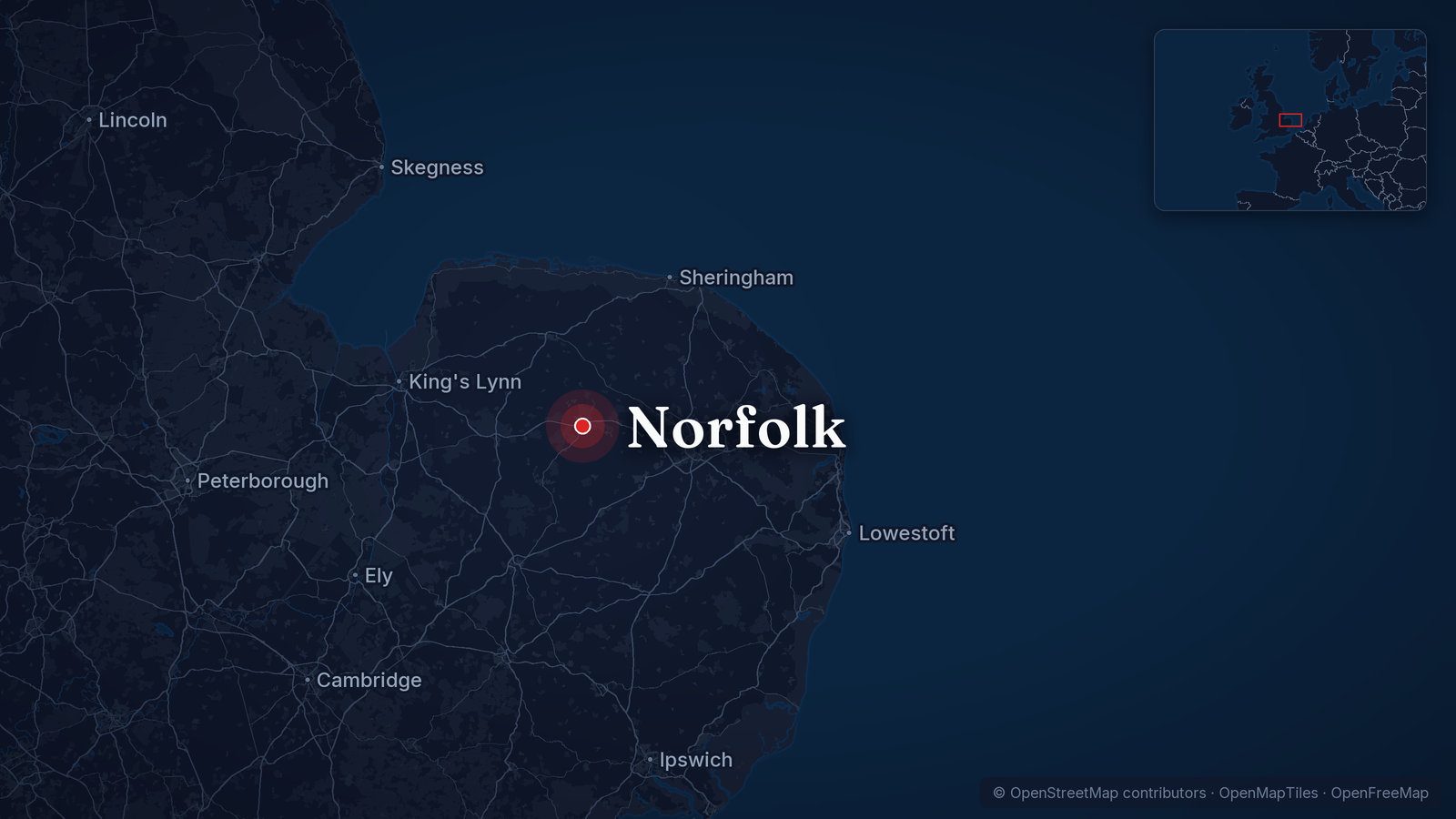
MapRWE Investigates Greenpeace Boulders Inside Vanguard East Offshore Wind Farm Boundary
2 Other2 Western Alternative2 Western MainstreamMap: © OpenStreetMap contributors, ODbL · Cropped for layout
This article is an automated aggregation of coverage from news outlets. Our editorials offer in-depth analysis curated by the NewsCord team.
Greenpeace dumped about 15 tonnes of boulders on Vanguard East site to deter bottom trawling. RWE is investigating implications of the boulder placement for the wind farm’s timeline and construction.
Save coverage image
The Guardian was read line by line by the Watchdog: 0.0. See the score →
Attenboulder protest meets Vanguard
German energy company RWE is investigating the implications of nine boulders placed by Greenpeace within the array boundary of the Vanguard East offshore wind farm off Norfolk in eastern England, with offshore construction scheduled to begin in early 2027. Greenpeace UK said the barrier closed 116 square kilometres of the Southern North Sea Marine Protected Area to bottom trawling, and Greenpeace UK co-executive director Will McCallum said, "The suggestion that nine well-publicised rocks pose a genuine obstacle to clean energy is absurd." RWE said it has had "constructive communication with Greenpeace" and that it is investigating the implications of the placement, while the Greenpeace vessel Arctic Sunrise deposited the boulders on October 31.
The 2018 environmental statement for the project conservatively assessed the clearance of up to 16 naturally occurring boulders in Vanguard East, each up to five metres in diameter, with relocated boulders remaining within the site. The Norfolk Vanguard Offshore Wind Farm Order 2022 includes boulder clearance among its authorised seabed preparation activities, and RWE and KKR reached financial close on both projects on November 11.
Rocks, trawling, and possible delay
Greenpeace’s bottom trawling rebellion risks wind farm delays, and it described nine boulders dropped into the seabed within the commissioning area of the Norfolk Vanguard East and West projects. RWE told the Maritime Journal, "We have had constructive communication with Greenpeace and will continue to investigate the precise implications," while the same report quoted Greenpeace UK co-executive director Will McCallum saying, "The suggestion that nine well-publicised rocks pose a genuine obstacle to clean energy is absurd." Greenpeace created a “boulder barrier” by dropping giant stone blocks, each weighing up to 2 tonnes, on to the sea floor to prevent bottom trawling in the southern North Sea.
The boulders were dropped without consent from the marine authority days before the prime minister told COP31 that the UK would invest £1bn of public money in the Vanguard West and Vanguard East windfarms. RWE is in talks with Greenpeace to verify the exact placement of the boulders so it can update seabed surveys it began last summer.
Scale of projects at stake
RWE and KKR reached financial close on both Vanguard East and Vanguard West on November 11, and the projects are expected to have a combined capacity of approximately 2.8 GW. Vanguard West and Vanguard East lie 50 to 80 kilometres off the Norfolk coast, with first Vanguard West foundations due to be installed in the first half of 2027 and full commissioning expected in 2030. Vestas holds orders for 92 turbines for each project, and it scheduled turbine deliveries for Vanguard East to begin in the fourth quarter of 2028.
Planned investments totalling twelve billion pounds, about 14.4 billion euros, were described, and the boulders were likely to be removed within months after developers agreed a £12bn deal alongside the UK government to begin building the offshore windfarm next year. Will McCallum told the Guardian that energy companies routinely move naturally occurring boulders from the seabed before building windfarms, and he said, "Some of these boulders can be 10 times heavier than those we placed."