Climateupdated 19m ago3 min read
MapScientists Defend UNEP Overshoot Report at COP31 After Saudi-Led Push to Sideline It
2 Other2 Western Alternative1 West Asian1 Western MainstreamMap: © OpenStreetMap contributors, ODbL · Cropped for layout
This article is an automated aggregation of coverage from news outlets. Our editorials offer in-depth analysis curated by the NewsCord team.
Scientists defend UNEP Limiting Overshoot report's credibility against Saudi-led push to sideline it. Saudi Arabia and other large developing countries questioned the report's scientific basis at COP31.
Save coverage image
6 outlets in this story. Read their headlines below.
Outlets did split on UN Special Rapporteur Francesca Albanese Urges Humanitarian Vessels to Break Gaza Siege →
Overshoot report challenged
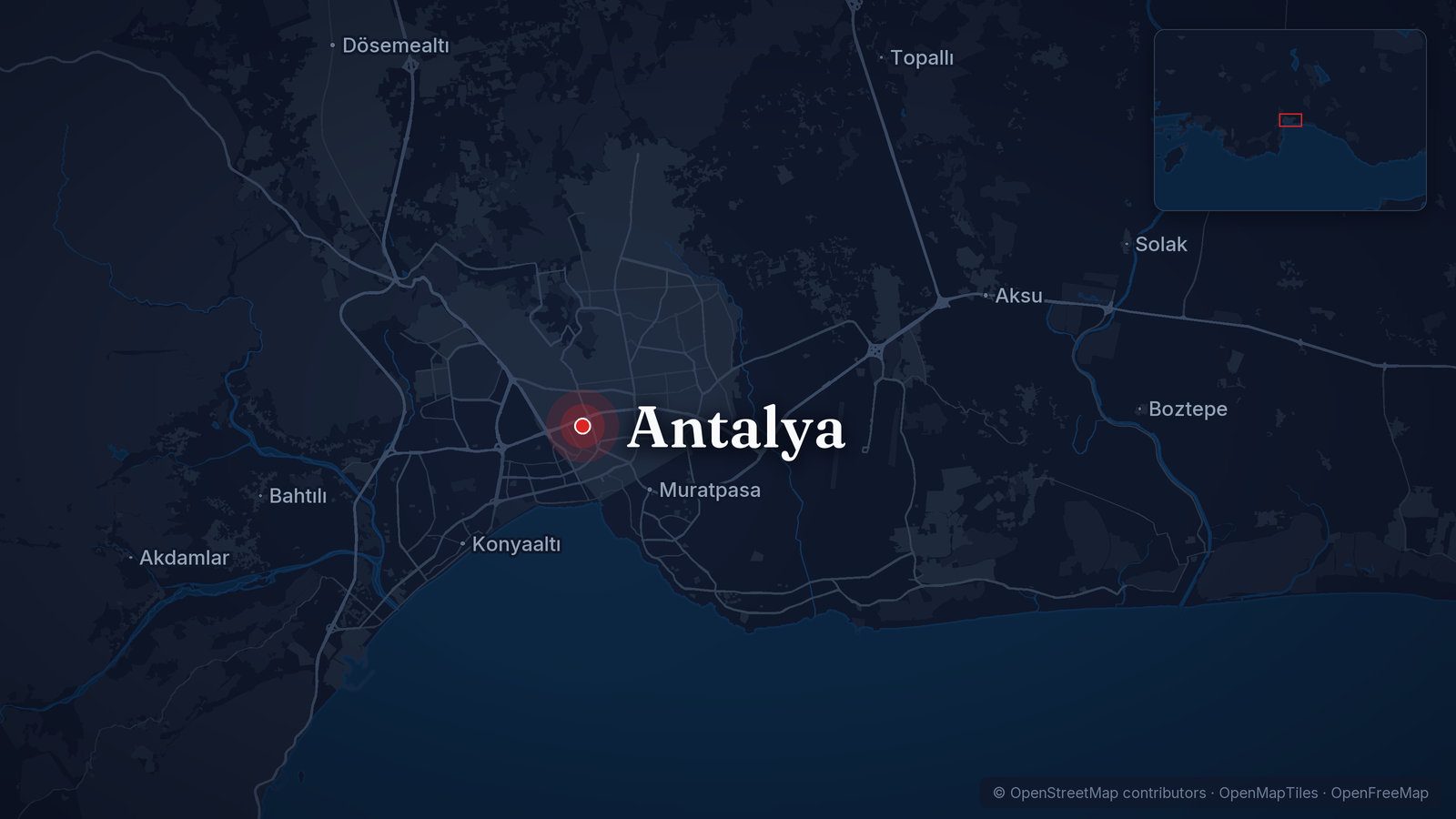
Scientists behind UNEP’s Limiting Overshoot report defended its credibility at COP31 in Antalya, Turkey after Saudi Arabia and other large developing countries questioned its scientific legitimacy and sought to keep it out of the main political decision expected from COP31. Debra Roberts, a South African scientist who co-chaired the IPCC’s Working Group II in its last assessment cycle and was part of the UNEP report’s core coordinating team, said the authors followed the standard process for a global assessment of existing science, adding, "It was certainly reviewed internally by the authors, external peer-reviewers were brought into the process, and UNEP also reviewed it,". Laurence Tubiana, CEO of the European Climate Foundation and one of the key architects of the Paris Agreement, said the overshoot report "tells us a truth some would rather hide" and argued that attacks on climate science were "an attempt to delay action."
Scientists involved in the report said 44 experts authored the document over the course of a year and their work was scrutinised by a further 44 reviewers, while the report examined how to minimise an almost certain breach of the Paris Agreement’s temperature goal and how temperatures could be brought back down. The Arab Group, led by Saudi Arabia, tried to cast doubt on the report’s scientific rigour during closed-door consultations, arguing it had not been peer-reviewed, according to sources familiar with the discussions.
Peer review and grey literature
Debra Roberts told Climate Home News that the only difference from IPCC procedures was that governments did not review the outputs, while she said the UNEP report underwent internal review by the authors, external peer review, and UNEP assessment. Bill Hare, CEO of Climate Analytics and one of the report’s reviewers, said, "the reports are being attacked because some people don’t like the conclusions" and added that governments basing their economy on burning and selling fossil fuels would not want to accept overshooting 1.5C. The dispute also turned on whether the UNEP overshoot report should be treated as so-called grey literature, with the report’s authors disputing that classification as meaning lower quality.
The Like-Minded Developing Countries bloc, which included India and China, called for the cover decision to avoid references to reports produced outside the UN climate process, and the Arab Group led by Saudi Arabia said the report had not undergone peer review during closed consultations. The UNEP briefing for COP31 framed the overshoot question as how to limit peak warming, shorten the duration of overshoot, and bring temperatures back below 1.5°C as soon as possible, while minimising risks to people and nature.
COP31 bargaining over fossil fuels
COP31 negotiations in Antalya, Turkey also faced early disagreements over the future of fossil fuels, with observers saying major fossil fuel producers and consumers resisted any agreement that would set new binding targets or move away from oil, gas, and coal. United Nations Secretary-General Antonio Guterres called for an immediate and radical reduction in greenhouse gas emissions, saying, "These countries must acknowledge the need for an immediate and radical reduction in emissions to keep open the possibility of achieving the 1.5 degrees Celsius target by the end of the century,". Reuters reported that the United States, the world’s largest oil consumer, was absent from the talks for the second year in a row under President Donald Trump, who described climate change as a hoax and called for continuing fossil fuel use.
Turkey sought to put forward a proposal to expand the global shift to electricity at the heart of any final agreement, and Reuters said the plan would reduce emissions by accelerating the move away from fossil-fuel-powered cars, boilers, and other equipment. The Reuters account said representatives from India, Saudi Arabia, and Russia had not yet commented, while it also described a UN report published last month concluding that the world is on track to exceed the 1.5°C temperature rise limit and that this year saw heat waves across western Europe and a glacial collapse in Nepal that caused floods killing more than 1,450 people.