Climateupdated 22m ago3 min read
MapVenezuela and Turkey Discuss Joint Oil and Gas Projects in Antalya at COP31
“For now, the focus is on applying the existing rules and solving practical problems that slow down trading.”
“If we are to translate climate ambition into real-economy transformation, international trade must be part of the solution.”
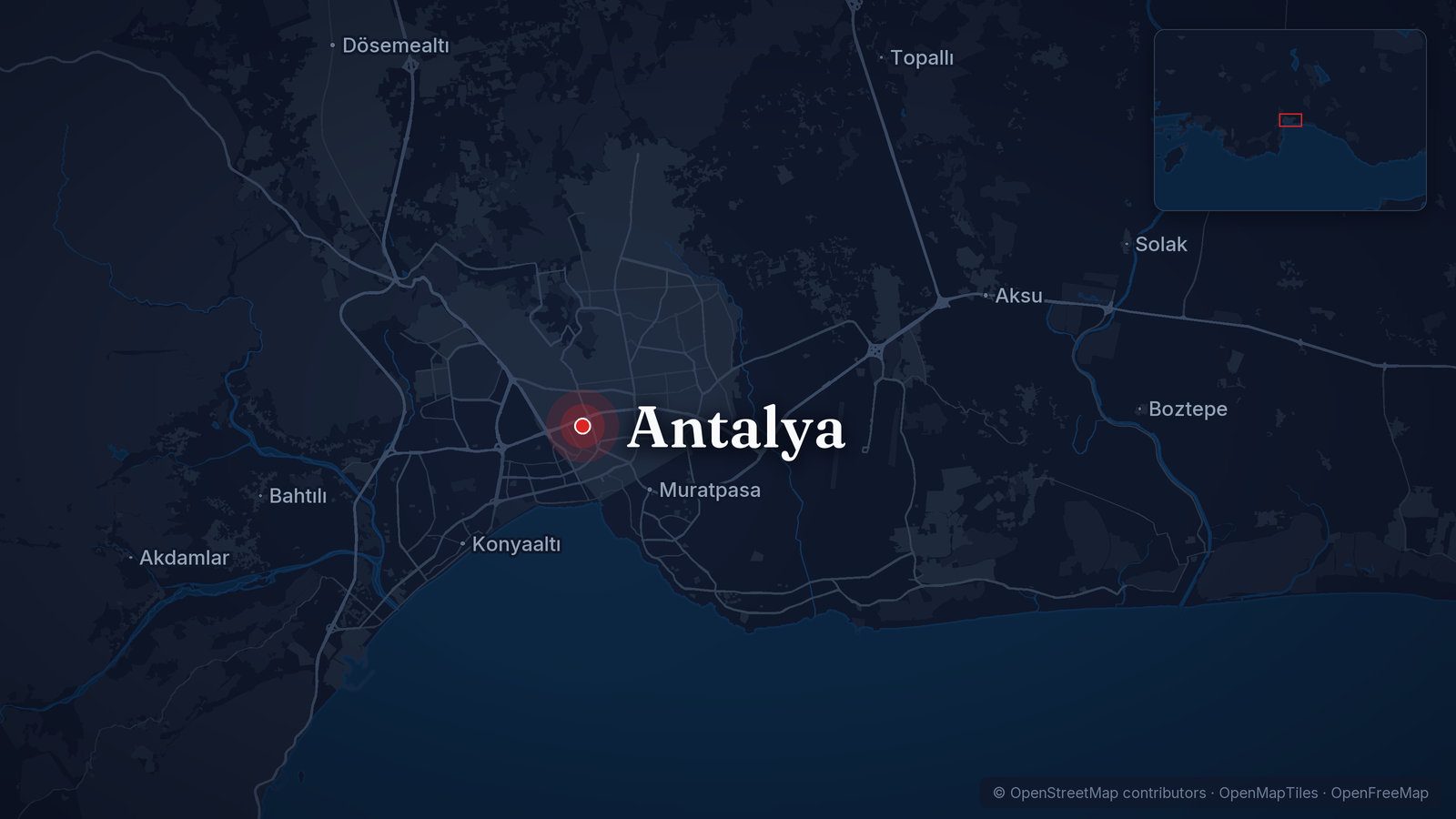
Map: © OpenStreetMap contributors, ODbL · Cropped for layout
This article is an automated aggregation of coverage from news outlets. Our editorials offer in-depth analysis curated by the NewsCord team.
Venezuela and Turkey studied joint oil and natural gas projects at COP31 in Antalya. They analyzed expanding energy trade and reciprocal investments during the COP31 meeting.
Save coverage image
COP31 energy deals
Venezuela’s Minister of Hydrocarbons, Paula Henao, met Turkey’s Minister of Energy and Natural Resources, Alparslan Bayraktar, in Antalya to evaluate ways to advance joint oil and natural gas projects during COP31. The Venezuelan Ministry of Hydrocarbons said Henao and Bayraktar also discussed energy trade and reciprocal investment opportunities between Caracas and Ankara, and both ministers reaffirmed their willingness to diversify the international exploration and production portfolios of both countries. Caracas and Ankara planned to hold later this month the fifth meeting of their bilateral joint commission, with the meeting described as a space to review cooperation and advance matters in their economic and energy agenda.
“The meeting took place in the Turkish city of Antalya, where the COP31 climate summit is being held.”
Turkey’s Climate Implementation Bridge initiative was also highlighted in Antalya, where Turkish President Recep Tayyip Erdoğan said it would contribute to addressing climate challenges during a meeting with Denis Sassou Nguesso on the sidelines of the COP 31 Leaders Summit. Erdoğan praised efforts to protect biodiversity, especially in the Congo Basin, as COP 31 opened on November 9 and ran until November 20 with international delegations participating.
Trade ministers push
Eight trade ministers and members of the Coalition of Trade Ministers on Climate argued that COP31 in Antalya must move from commitments to implementation, including by advancing green industrialisation and strengthening resilience. The coalition said, "If we are to translate climate ambition into real-economy transformation, international trade must be part of the solution," and it framed trade cooperation as a way to decarbonise while boosting competitiveness, driving investment and innovation, and building more resilient and diversified economies. The coalition also called for strengthening international cooperation on trade-related climate measures to reduce regulatory fragmentation and costs, and it said governments can propose practical solutions in the WTO and other international processes to enhance transparency, coherence and interoperability.
The coalition linked climate action to fossil fuel transition, saying reaching net zero goals will require faster, scaled up efforts to transition away from fossil fuels in energy systems, in a just, orderly and equitable manner, in favour of low-carbon, clean technologies, goods and services. The coalition said open, predictable and fair trade can help countries and communities adapt to recurring climate disasters and slow-onset climate change while building greater economic and climate resilience.
Carbon markets and finance
COP31 opened in Antalya on November 9 with carbon markets and climate finance among its key topics, as countries began formal talks on Article 6 of the Paris Agreement. CarbonCredits said the first day did not produce a major new carbon trading agreement or changes to Article 6 rules, and it described discussions as focused on how countries can put existing rules into practice, increase international carbon trading, and attract more funding for climate projects. The article said Article 6.2 requires corresponding adjustments to prevent two countries from counting the same emissions reduction toward their climate targets, and it noted that COP31 was not expected to rewrite the Article 6 rulebook.
“COP31 opened in Antalya, Türkiye, on November 9, with carbon markets and climate finance among its key topics.”
CarbonCredits reported that OPIS said 31 countries had authorized more than 348 million credits for international transfer, while only about 20 million had been authorized for retirement by specific buyers under Article 6.2. Impakter said COP 31 also marked the beginning of the second global stocktake (GST2) under the Paris Agreement, describing it as a process that will assess collective progress toward the Paris goals and identify how to ramp up ambition and secure more support.