Technology and Scienceupdated 3h ago3 min read
U.S. Supreme Court Weighs Boulder Climate Lawsuit Against Suncor And ExxonMobil
Boulder sues ExxonMobil and Suncor for climate-change damages, seeking billions in local costs. Supreme Court weighs if local governments can sue oil and gas companies in state court.

16 outlets told this the same way.
Boulder sues, SCOTUS weighs
The U.S. Supreme Court grappled Monday with whether local governments can sue oil and gas companies in state court to help cover costs associated with climate change, in a case tied to Boulder, Colorado.
“‘Presumably, if you prevail, the next day, a municipality in every single state will file a lawsuit,’ said Chief Justice John Roberts.”
Boulder officials argued their lawsuit seeks to hold Canada-based Suncor and U.S.-based ExxonMobil accountable for their contributions to climate change, and they pointed to worsening disasters such as floods and wildfires as a financial burden on local communities.

Chief Justice John Roberts pressed the practical implications of a ruling for Boulder, saying, "Presumably, if you prevail, the next day, a municipality in every single state will file a lawsuit,".
Justice Brett Kavanaugh warned that a win by Boulder could bankrupt the oil companies and other potential defendants, saying, "I mean, anyone is a potential defendant for a suit like this. Any manufacturer, any business,".
The companies argued the Clean Air Act gives the federal government, not the states, the power to regulate emissions, and they said the lawsuits are an unconstitutional attempt to regulate planet-warming emissions and impose Colorado's state law beyond its borders.
Jurisdiction and an off-ramp
Justice Ketanji Brown Jackson questioned whether the court should wait for state courts to finish, asking, "Why shouldn't we wait and hear all of these claims once the state courts are done?".
Justice Samuel Alito recused himself from the case after facing calls to step aside because he owns stock in oil companies, leaving the court to hear arguments without him.
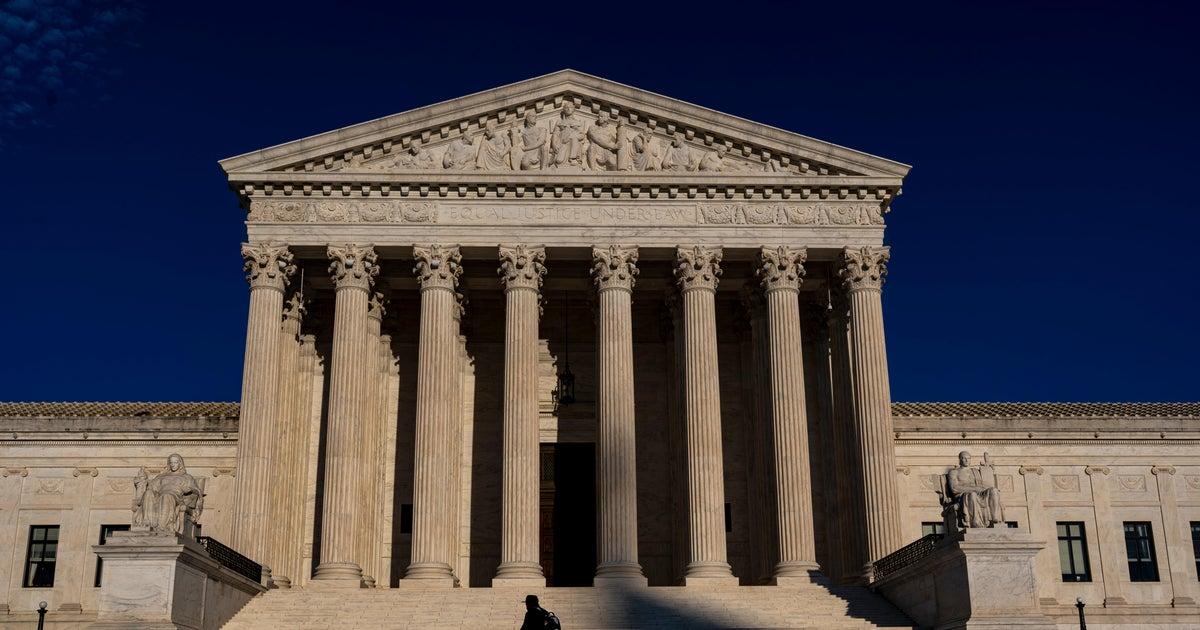
Kannon Shanmugam, the lawyer representing the oil industry, urged the justices to reverse the Colorado Supreme Court ruling, arguing the Boulder case was attempting to use the courts to decide a public policy issue "properly up to U.S. Congress and other elected officials."
Principal Deputy Solicitor General Sarah Harris said Boulder's case "egregiously exceeds" the state's authority, describing the county as declaring itself a victim of actions that occurred largely out of state.
Kevin Russell, a lawyer representing Boulder, argued that state lawsuits can address damage in Colorado regardless where fossil fuels are produced, and he said Boulder is not trying to regulate greenhouse gas emissions or stop production.
What the decision could change
The Supreme Court’s decision could determine the fate of dozens of similar suits, because a win for the oil and gas companies could shut down dozens of similar cases filed in recent years. The case also raised a jurisdictional question that could allow the court an "off-ramp" to avoid deciding the issues right away, with the justices weighing whether to reach the merits. The companies told the court that a flurry of lawsuits in state courts is not the way to deal with the global issue, and they argued the Clean Air Act gives the federal government the power to regulate emissions.
“The court is also weighing a jurisdictional question that could allow it an ‘off-ramp’ to avoid deciding the issues right away.”
Boulder officials said their lawsuit is an attempt to hold the companies accountable for allegedly misleading the public about their contribution to global warming by burning fossil fuels. Chief Justice John Roberts framed the broader sweep of litigation as a problem of scale, asking, "How do you think that will work out on the ground?"