Climateupdated 1h ago2 min read
Photo · 12 November 2026COP31 Promotes Voluntary Rooftop Solar Plan to Reach 300 Million Households by 2030
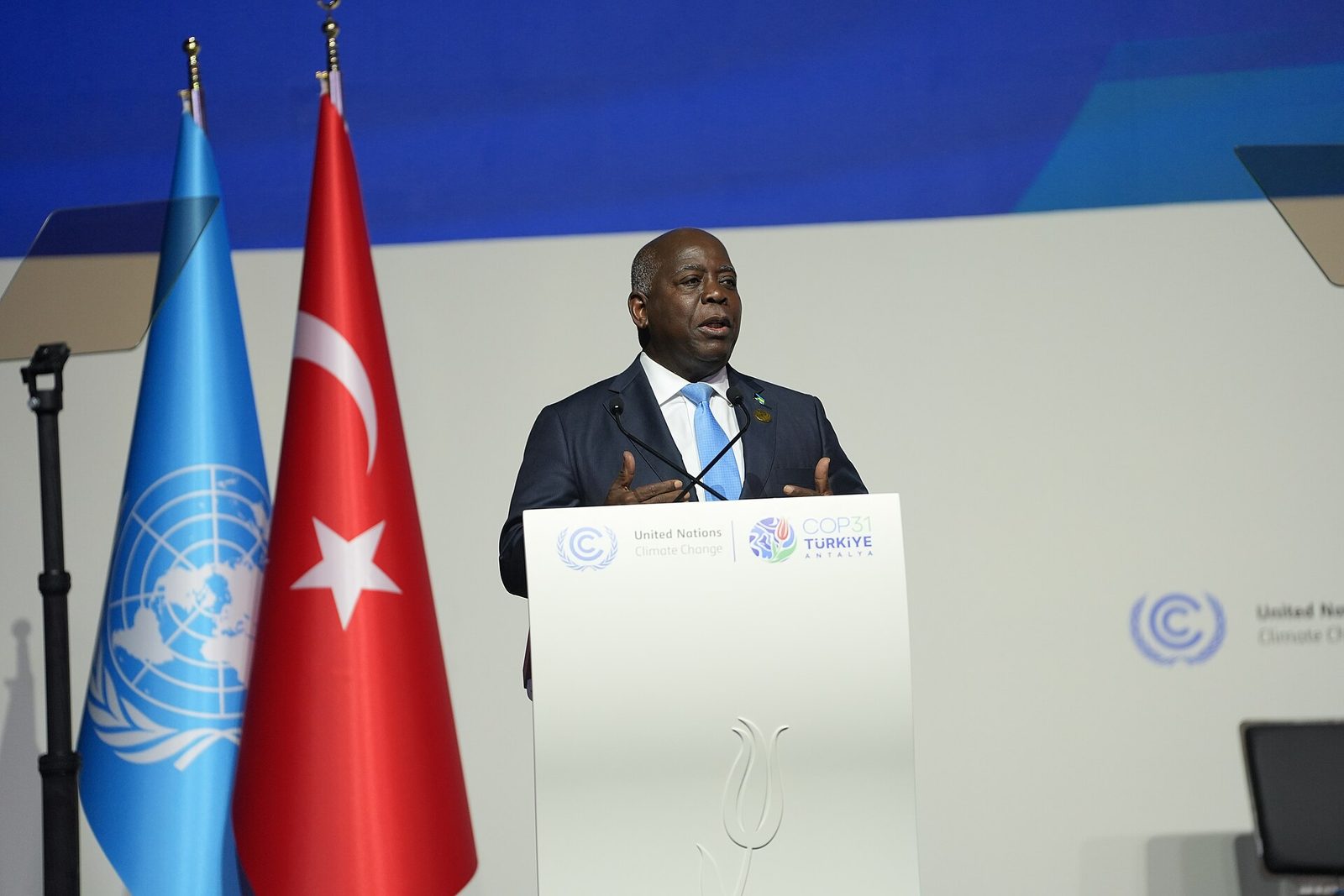
4 West Asian2 Other1 Western MainstreamPhoto: Xuthoria, CC BY-SA 4.0 · Cropped for layout
This article is an automated aggregation of coverage from news outlets. Our editorials offer in-depth analysis curated by the NewsCord team.
Global Solar Energy on Rooftops Declaration aims for 300 million solar-equipped households by 2030. Plan is voluntary and non-binding; Australia first to join.
Save coverage image
7 outlets in this story. Read their headlines below.
Outlets did split on COP31 Draft Urges Immediate Fossil-Fuel Exit, Targets 35% Electrification by 2035 →
Rooftops, targets, and rules
COP31 in Antalya presented the Global Solar Energy on Rooftops Declaration, which proposes doubling the number of households with solar panels from about 150 million to at least 300 million by 2030. The declaration is voluntary and non-binding, and it says participants “will work together to enable at least 300 million households worldwide to run on rooftop solar energy by 2030.” The COP31 document defines the commitment as a push to “move faster than usual” and to turn rooftop solar into a “national energy priority,” not just a “niche program.”
The declaration’s diagnosis says “Too many countries have the sun, the rooftops, and the demand, but still lack the finances, grids, rules, or workforce to turn that opportunity into electricity.” The promoters estimate that 300 million systems would amount to about 2 TW of capacity and would benefit nearly 1 billion people, while the text also notes that without special acceleration the world would reach about 225 million rooftop solar households by 2030.
Finance gap and adaptation
UN Secretary-General Antonio Guterres told COP31 that increasing adaptation finance to three times its current level would cover only less than a third of the needs, underscoring the scale of the shortfall. An assessment at COP31 indicates annual climate finance for developing countries could fall by $840 billion short of the $1.3 trillion target for 2035 if trends continue. Guterres also urged climate funds to cut bureaucratic hurdles that complicate access to support, especially for countries with limited administrative capacities.
The UN Food and Agriculture Organization said only 5% of climate-linked development finance goes to agriculture, and this share is shrinking amid risks to food production. Kaveh Zahidi of the UN Food and Agriculture Organization said parametric insurance can accelerate payouts once specific thresholds are reached, such as rainfall levels or wind speeds, reducing delays after disasters.
Bangladesh proposals at COP31
Bangladesh Prime Minister Tariq Rahman laid out five urgent steps during COP 31 in Antalya, calling for allocating no less than 50% of international climate finance to adaptation efforts and adopting measures to ease debt burdens for developing countries. Rahman said countries most vulnerable to climate changes need concessional funding, not more loans that increase their debt burdens, and he stressed the need for reliable financing, access to modern technology, and enhanced support directed at adaptation efforts. Rahman’s first proposal calls for allocating at least 50% of international climate finance to adaptation efforts while continuing to support measures aimed at reducing emissions.
Rahman’s second proposal calls for establishing mechanisms to ease the debt burdens of climate-risk-exposed countries, including debt-for-climate swaps and debt terms that reflect the ability to respond to climate change. Rahman also said Bangladesh aims to meet 20% of its electricity needs from renewable sources by 2030 and to develop solar projects with a total capacity of 4,000 megawatts, with special tax incentives.