Climateupdated 28m ago2 min read
Archive photo · 7 March 2021Meta Re-Evaluates 2030 Net-Zero Goal After AI Buildout Pushes Emissions Up 45%
4 Other3 Western Mainstream2 West Asian2 Other source typesPhoto: Kai3952, CC BY-SA 4.0 · Cropped for layout
This article is an automated aggregation of coverage from news outlets. Our editorials offer in-depth analysis curated by the NewsCord team.
Emissions rose 45% last year to about 11.8 million metric tons CO2e. Meta is re-evaluating its 2030 net-zero timeline and interim milestones.
Save coverage image
Al Jazeera was read line by line by the Watchdog: 3.0. See the score →
Meta shifts 2030 timeline
Meta said it is "re-evaluating our timelines, sequencing and interim milestones, including the 2030 timeframe for our net zero emissions goal" in its annual sustainability report, as the AI buildout pushes emissions higher. Meta reported that its net emissions rose 45% in 2025 to 11.8 million tonnes of carbon dioxide equivalent, and the report was signed by Rachel Peterson and Blair Swedeen. Meta said its electricity use climbed 35% in 2025 as new data centers came online, and the company did not say what it will change or when it will decide.
Meta said it reached net zero in its own operations in 2020 by cutting emissions 94% from a 2017 baseline, mostly by buying renewable power. Meta also said it would post updates on its sustainability website, while Reuters reported that the cuts would hit non-AI teams as 2026 capital spending rises to as much as $135 billion.
Why AI changes the math
Rachel Peterson and Blair Swedeen wrote that "The reality has been far more complex" after Meta set its net zero goal, and they tied the shift to demand for AI infrastructure. Meta said delivering on its vision "requires building the infrastructure that powers AI," and the company described the resulting buildout as outpacing what it had anticipated. Meta’s sustainability reporting also pointed to accounting methods that climate advocates view with scepticism, and Al Jazeera said the figure is based on those methods.
Meta’s report said its electricity use increased 35% in 2025 as additional data centers came online, and it attributed much of the emissions increase to capital goods like data center servers. Meta’s executives said they anticipated steady growth and falling clean energy costs when they set the goal, but they said the broader system did not enable progress at the pace they envisioned.
Broader retreat and next test
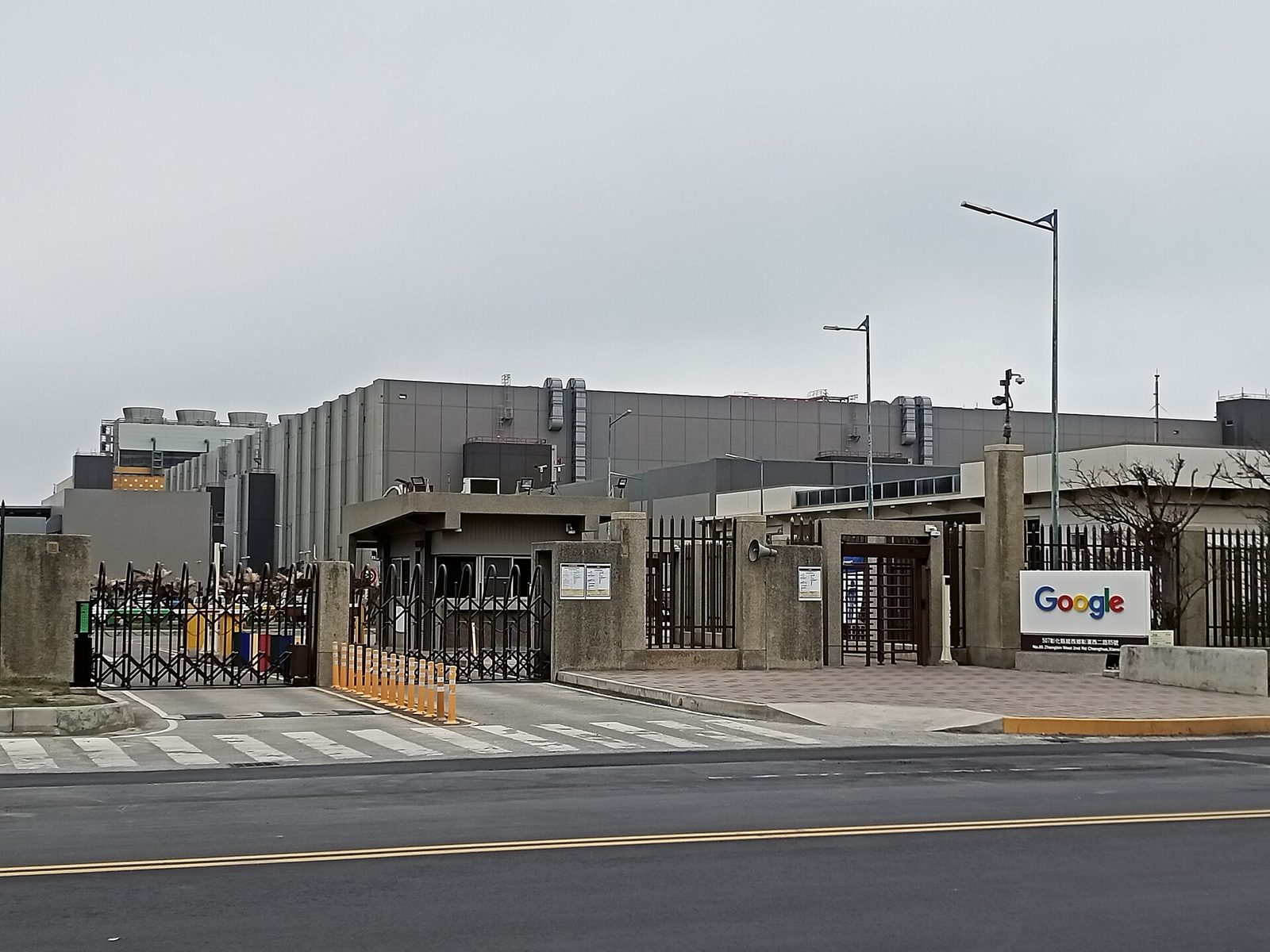
Meta’s reassessment arrived as Al Jazeera described a broader corporate retreat from climate pledges, naming General Motors, Walmart, Google, Coca-Cola and Pepsi as companies that had adjusted or weakened climate commitments. Al Jazeera said Google has watched its own emissions rise as AI workloads grew, and it said Google faces the same arithmetic as Meta. Meta’s report also set up a near-term test, because Meta did not announce a revised target date and said it would disclose updates later on its sustainability website.
Meta’s electricity and emissions figures were framed against data center scale, with a study cited by Al Jazeera finding 403 of the most powerful data centers in the United States accounted for about 2% of the country’s electricity use. Al Jazeera also said corporate emissions accounting methods, including renewable energy certificates, are ones climate advocates view with scepticism, and it warned that the physical grid impact could be worse than Meta’s reported number.