Climateupdated 23m ago3 min read
MapIEA Warns Iran War Energy Shock Will Leave Lasting Marks on Global Energy Sector
“But it also reinforces the case to keep coal as a backup for times of crisis.”
“Countries were responding by accelerating moves to diversify energy supplies, prioritising domestic energy resources and pursuing faster electrification progress.”
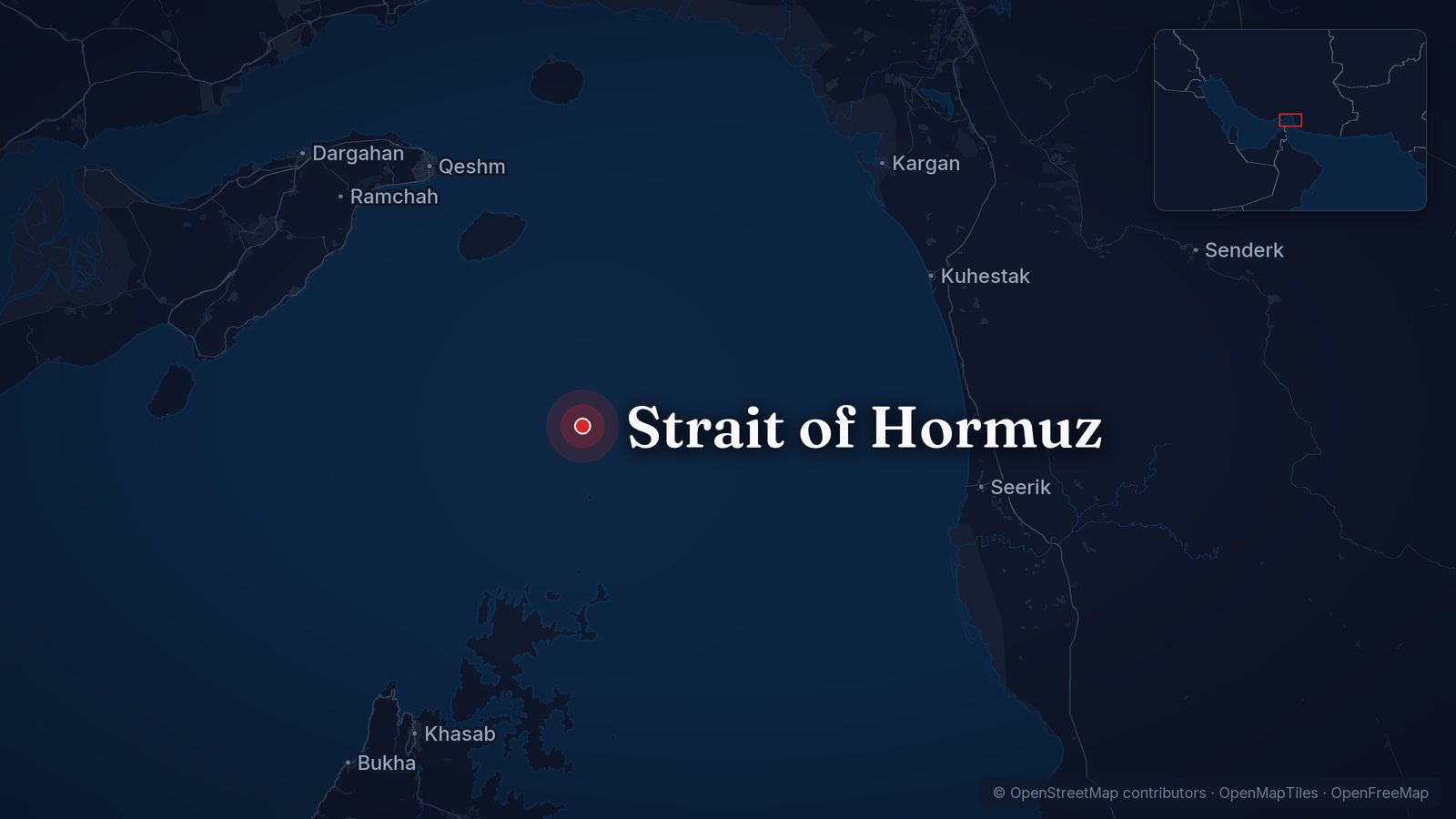
Map: © OpenStreetMap contributors, ODbL · Cropped for layout
This article is an automated aggregation of coverage from news outlets. Our editorials offer in-depth analysis curated by the NewsCord team.
Hormuz crisis triggers the largest energy supply shock in history, IEA warns. The shock accelerates global electrification and renewables adoption.
Save coverage image
The New York Times was read line by line by the Watchdog: 0.0. See the score →
Hormuz shock reshapes energy
The International Energy Agency said the Iran war energy shock will “leave lasting marks” on the world’s energy sector, and the agency warned “I don’t see any credible pathway for the energy world to return to the way it was before.” The IEA said the Strait of Hormuz crisis helped trigger energy triage after it cut off a passageway where about a fifth of the world’s traded oil flowed, and it cited a shift in oil flows from 20 million barrels per day before the Iran war to 8.5 million in 2030 and even under 2 million barrels by 2035. The IEA said electrification, the process of powering homes, cars and industries with electricity, and moving away from planet-warming fossil fuels are major issues at COP31, which it described as in its final week.
The IEA said the annual United Nations climate talks in Turkey, known as COP31, are happening as the U.N. announced the world is dangerously close to missing its goal of limiting global warming to 1.5 degrees Celsius above pre-industrial temperatures. Dave Jones, co-founder of the think tank Ember, said governments are only just beginning to get their head around “just how much things will change” as energy crises reshape the world over the long term.
Electrification aligns with security
IEA Director of Sustainability Laura Cozzi said, “For the first time, we are actually seeing the policies used to respond to energy security concerns being very strongly aligned with policies needed for energy transitions,” and she added that the alignment “sees electrification at the heart of crisis response.” The IEA said energy-hungry nations will prioritize the security and affordability of their electricity, a stance it said will benefit renewable technologies like solar energy and other alternatives like nuclear power. The IEA said it also reinforces the case to keep coal as a backup for times of crisis, and it described the pressure as especially true in coal-rich Asia.
Michelle Manook of FutureCoal said, “for coal-rich economies, domestic coal remains an important energy security asset,” while the IEA’s Birol said, “We see coal has a momentum,” and he said the question is whether it will be long-lived. The IEA said a “striking milestone” has arrived, with energy demand for cooling overtaking energy demand for heating for the first time this year.
What comes next at COP31
The IEA said its flagship World Energy Outlook report projects energy futures based on whether countries stick with current policies or drastically shift because of ongoing crises, and it said the report looks “past the current turmoil to explore the range of energy futures that could emerge.” The IEA said the Middle East will still be the world’s largest oil exporter, but it said nations will likely reduce dependence on the Strait of Hormuz as the amount of oil passing the strait falls from 20 million barrels per day before the Iran war to 8.5 million in 2030. The IEA said the “drive to diversify” fuel supplies will reshape the energy trade, and it said conflicts, trade tensions, climate risks and cyberattacks are increasing the number of possible energy futures.
The IEA said COP31 is taking place as the U.N. warned the world is dangerously close to missing its 1.5 degrees Celsius goal, and it framed electrification and fossil-fuel reductions as central to the negotiations. Mohamed Adow, director of Power Shift Africa, said, “It’s crazy that a conflict thousands of miles away can send energy bills soaring at home,” while the IEA said governments are only just beginning to understand how much the crisis will change energy decisions.